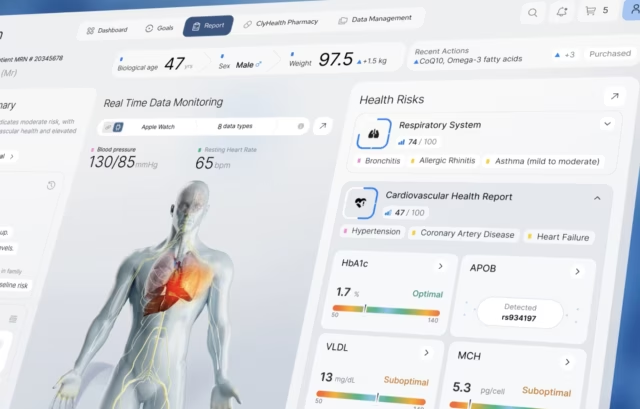
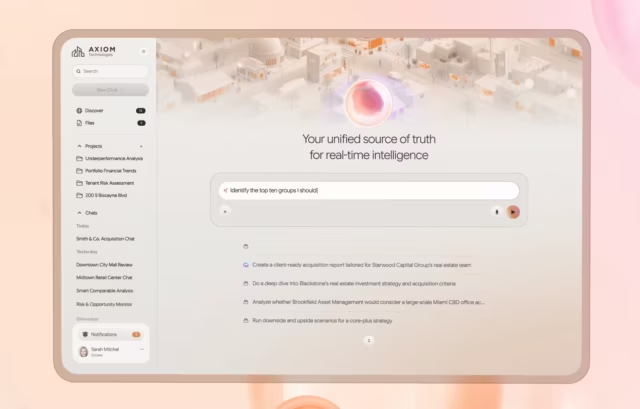
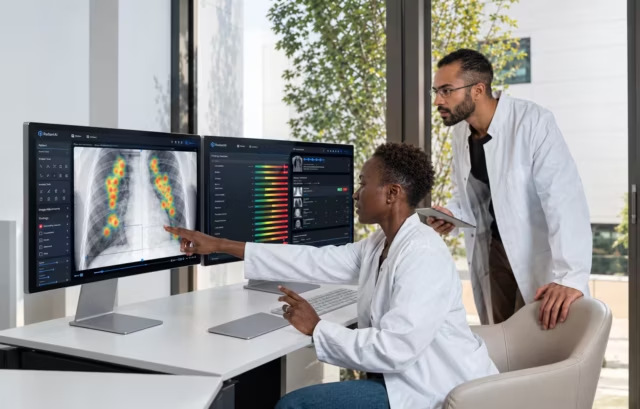
The concept of simulation interface design originated in early computing as a method to mimic system behaviors. Over time, advancements in data visualization, AI, and interactive technologies have transformed interface simulations into powerful tools for decision-making, training, and design optimization. Today, they are widely used across industries such as healthcare, real estate, transportation, energy, and more.
Simulation Interface defined:
Interface simulation involves creating a virtual representation of user interfaces or environments, enabling interaction with data, objects, or events in real-time. These simulations help predict outcomes, test scenarios, and analyze performance.









Types of Simulation Interface

Now you can simulate the next step in a sequence based on user inputs or data visualizations, providing insights into future states or outcomes. The key to success for simulation interface design is in the UI UX simulation research and testing among key personas and existing users, if possible. What makes sense in terms of sequence to one person will surely not be the same for all people, and finding that sweet spot for what makes sense to the broadest audience possible can be a game-changer.
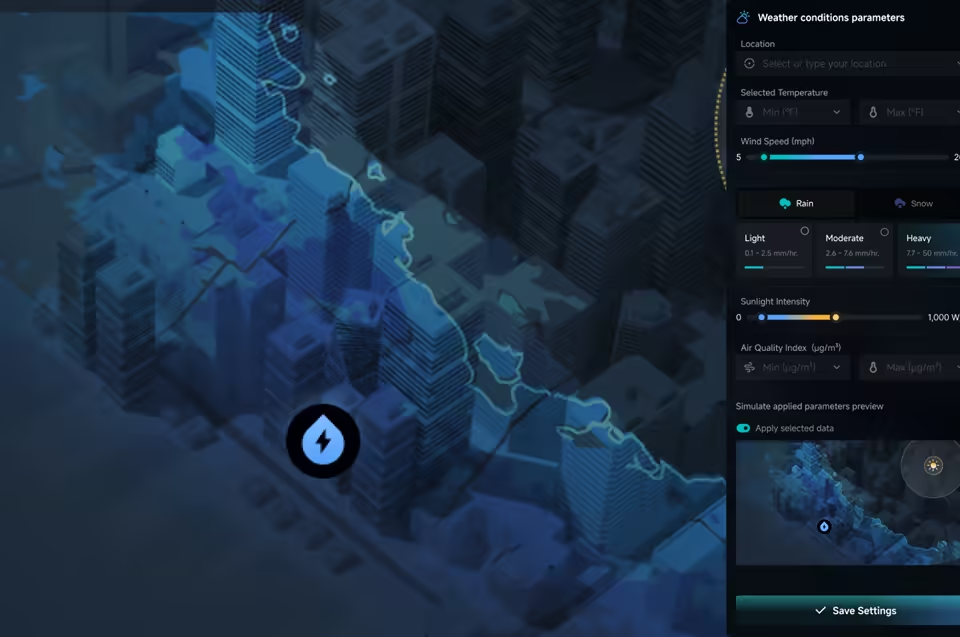

Models how events unfold based on variable inputs, such as weather changes or equipment failures. Anyone who has ever worked for a government agency or any type of public management agency knows quite acutely how important it is to pre-plan for climate and/or catastrophic events. Simulation interface design systems can help make planning for those times no one wants to think about a whole lot more manageable.
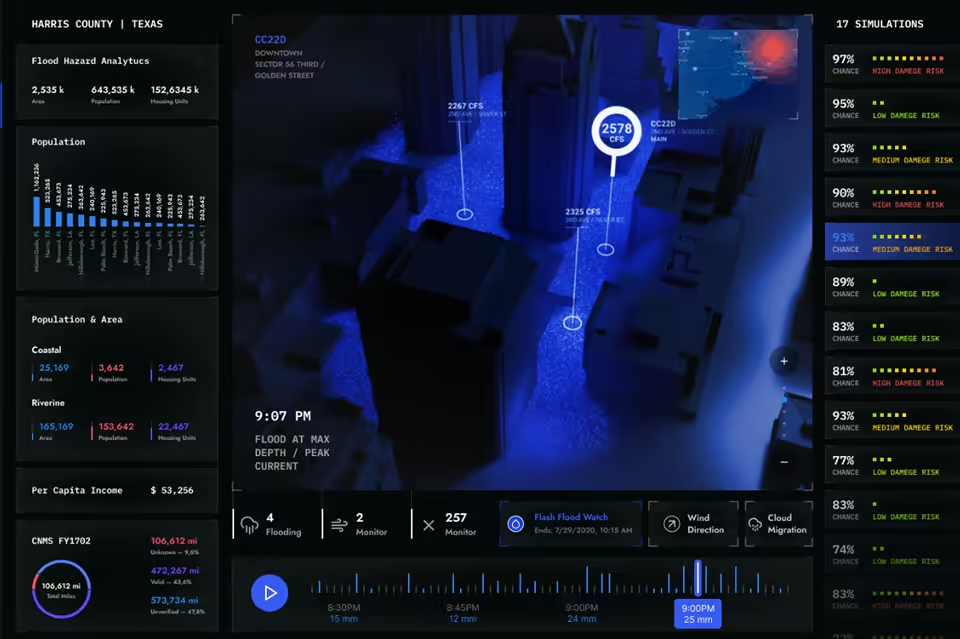

Behavioral simulation interface design of objects, such as the opening or closing of storm drains, or a significant power outage, can influence the damage caused by flooding with dramatically differing results. These simulations show how objects will behave based on a set of parameters, with results disconnected from variable dependencies. Results can be categorized or numbered based on the data needed to make appropriate plans/decisions.
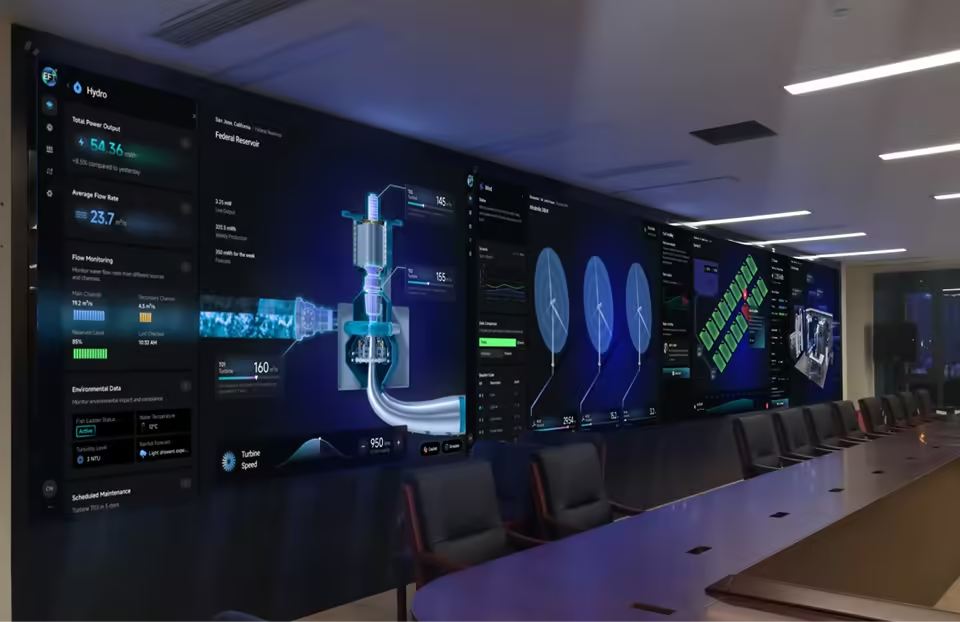

Depending on where you live, fire drills, earthquake drills, and for those of us that lived through the cold war, nuclear attack drills have been part of our life and culture for as long as we can remember. Imitation tests are the modern version of the standard fire drill, yet now we can recreate real-world processes based on historical user behavior data to test our systems and continuously refine our designs to keep up with changing societal norms or shifting cultural demographics of particular places or regions.
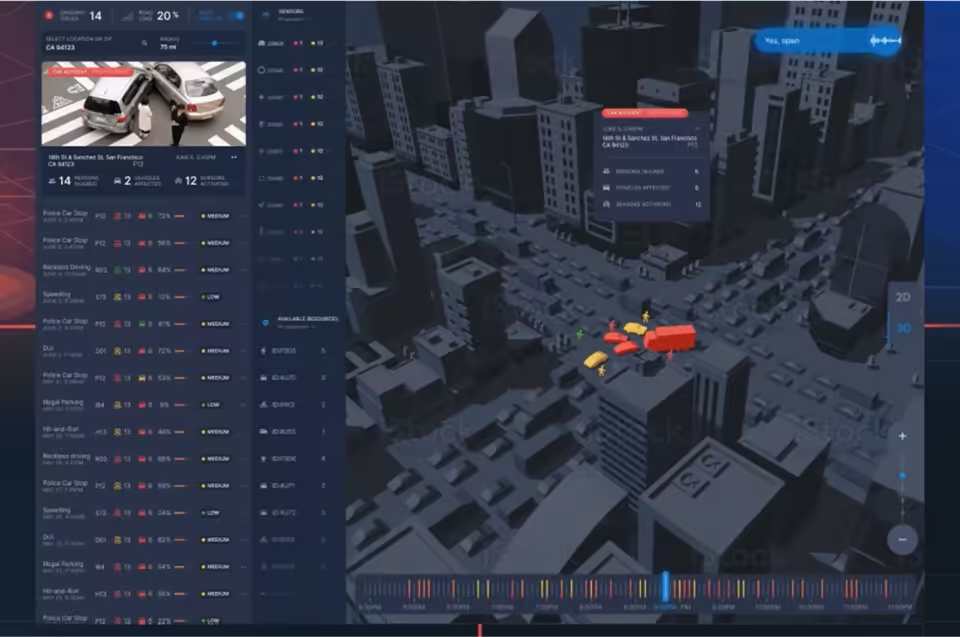

When it rains, it pours, as they say. If you ever lived in California, you know that fires and mud slides are intricately linked, sometimes happening at the same time. Multiple variables simulation allows us to model the impact of multiple events unfolding at the same time and based on variable inputs, this can produce incredibly differing results. For instance, imagine the difference in fighting a house fire where the nearest hydrant is working perfectly compared to fighting the same fire and the nearest working is hydrant is two blocks away.
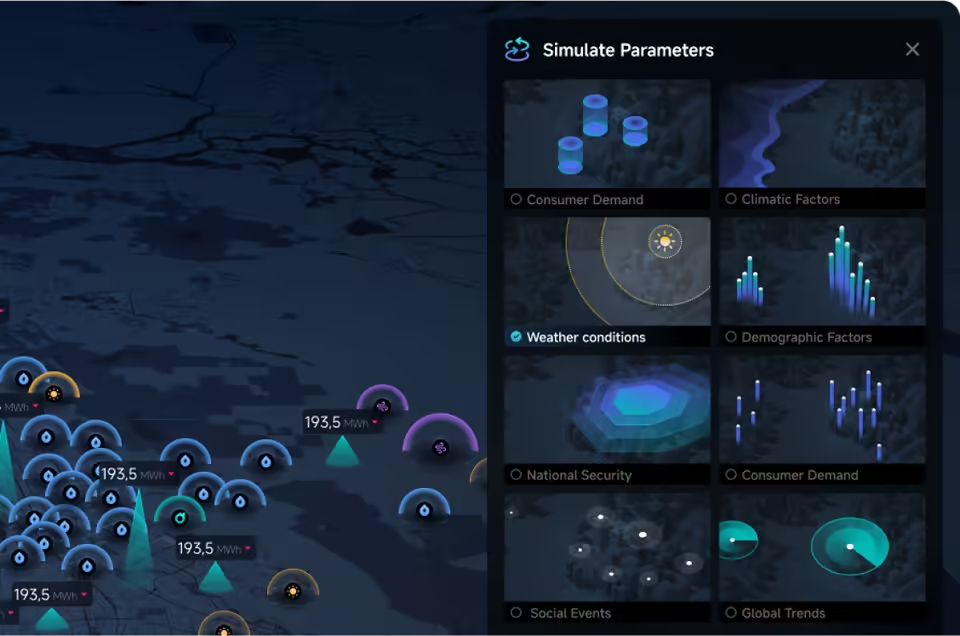
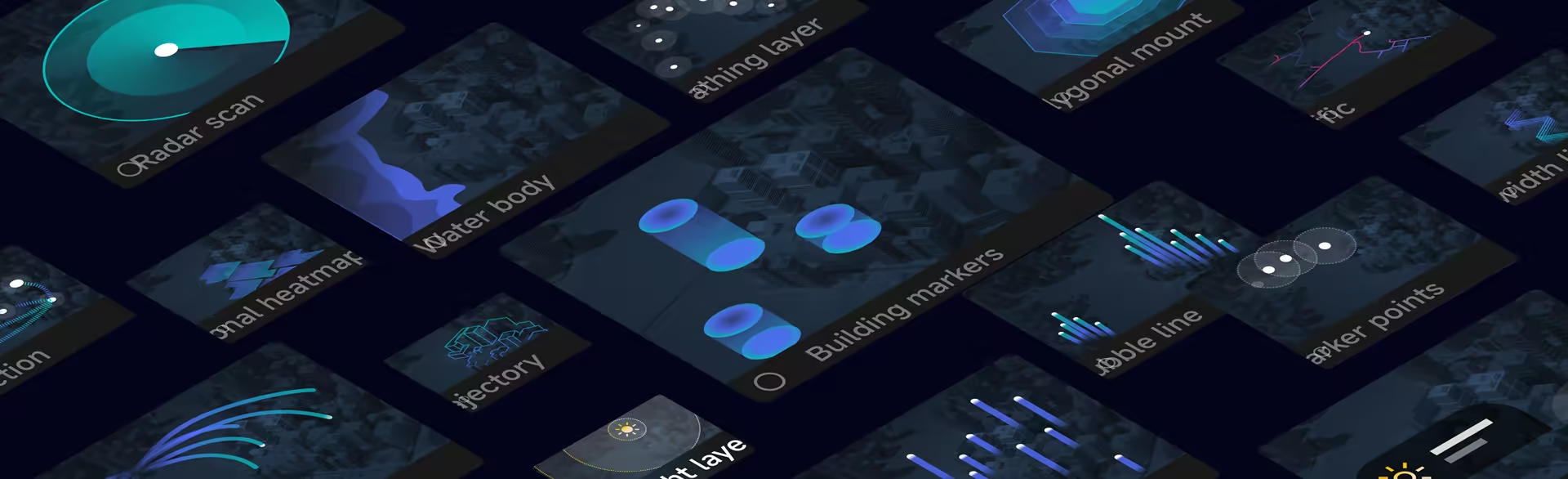
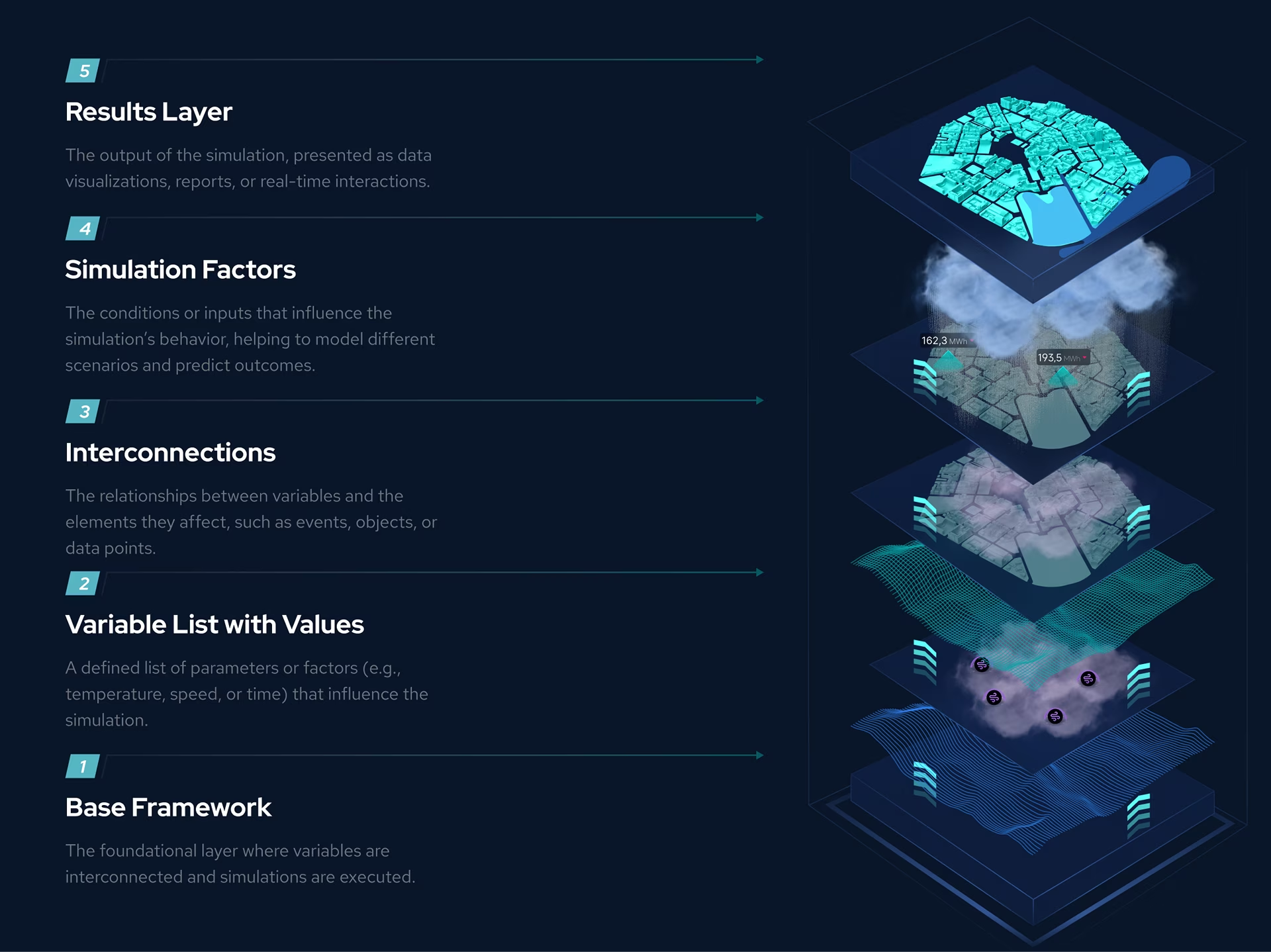
Parts of an interface simulation
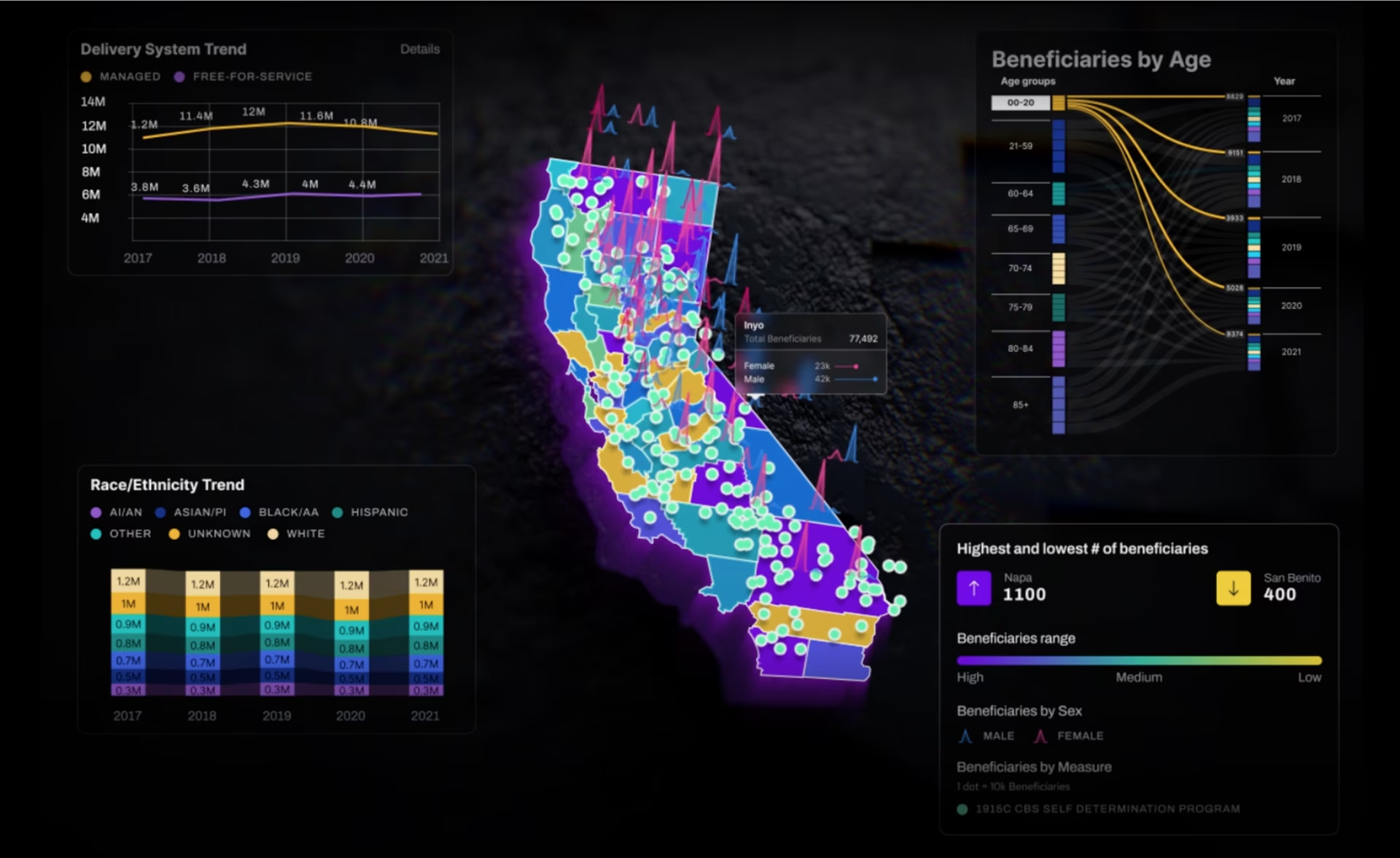
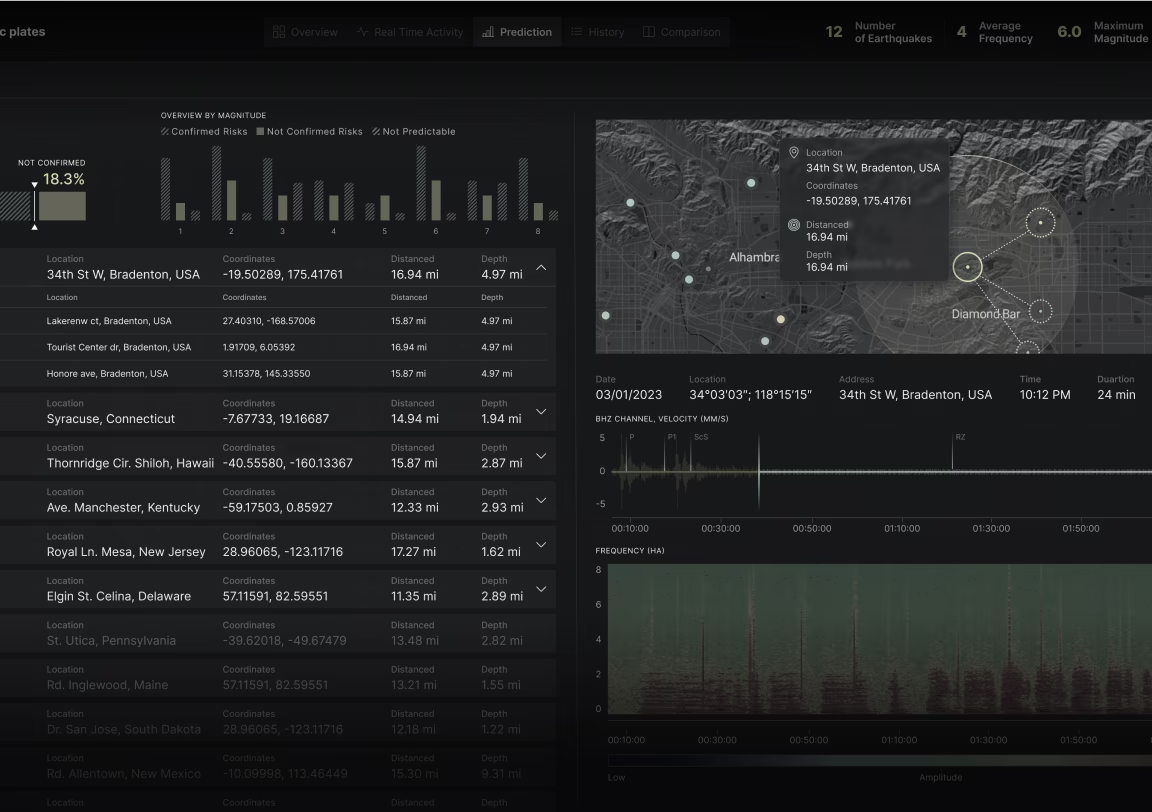
Simulation UI Cases
From satellites to complex urban traffic monitoring systems – the UI in our simulation interface design provides a versatile platform for testing, analysis, and decision-making in both natural and engineered environments. This is sustainability-based urban planning at its best.
Event Simulations in Buildings
Event simulations in buildings predict how structures respond to variables like energy demand, environmental changes, or occupancy patterns.
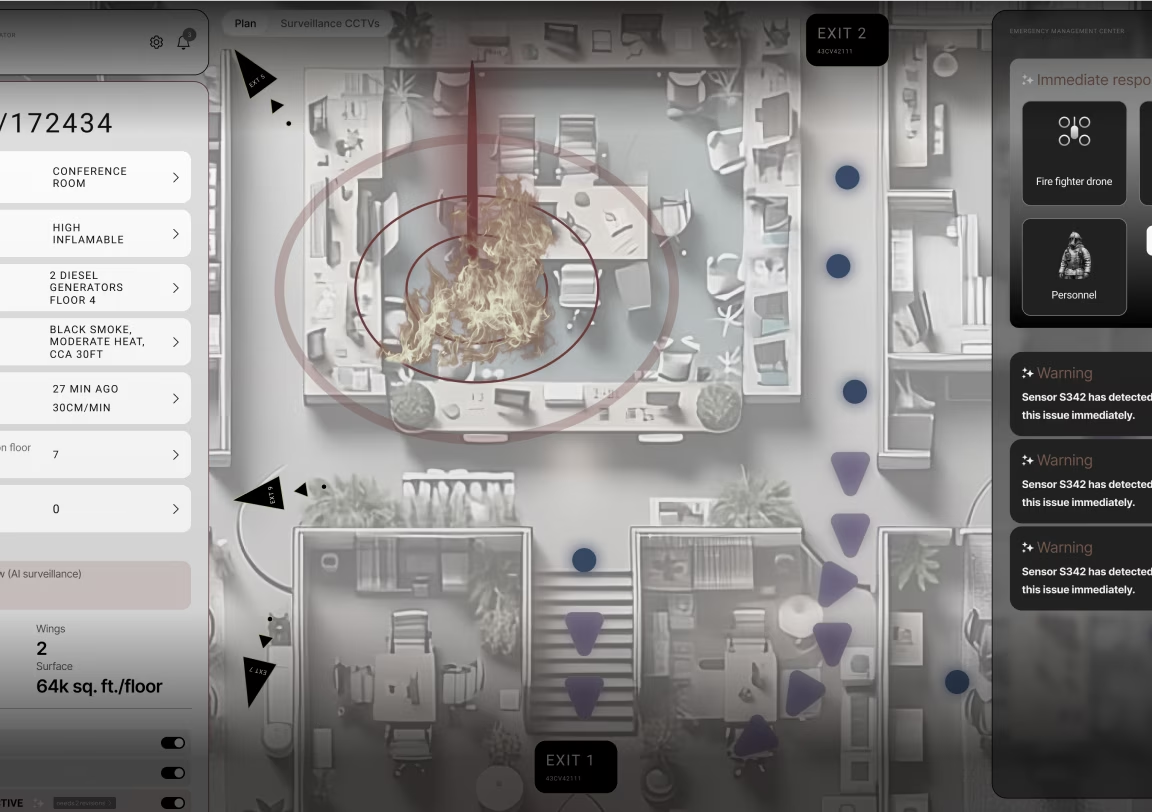
Event Simulation
Liquid visual simulations model fluid behavior in dynamic environments, simplifying the analysis of flow patterns, pressure changes, etc.
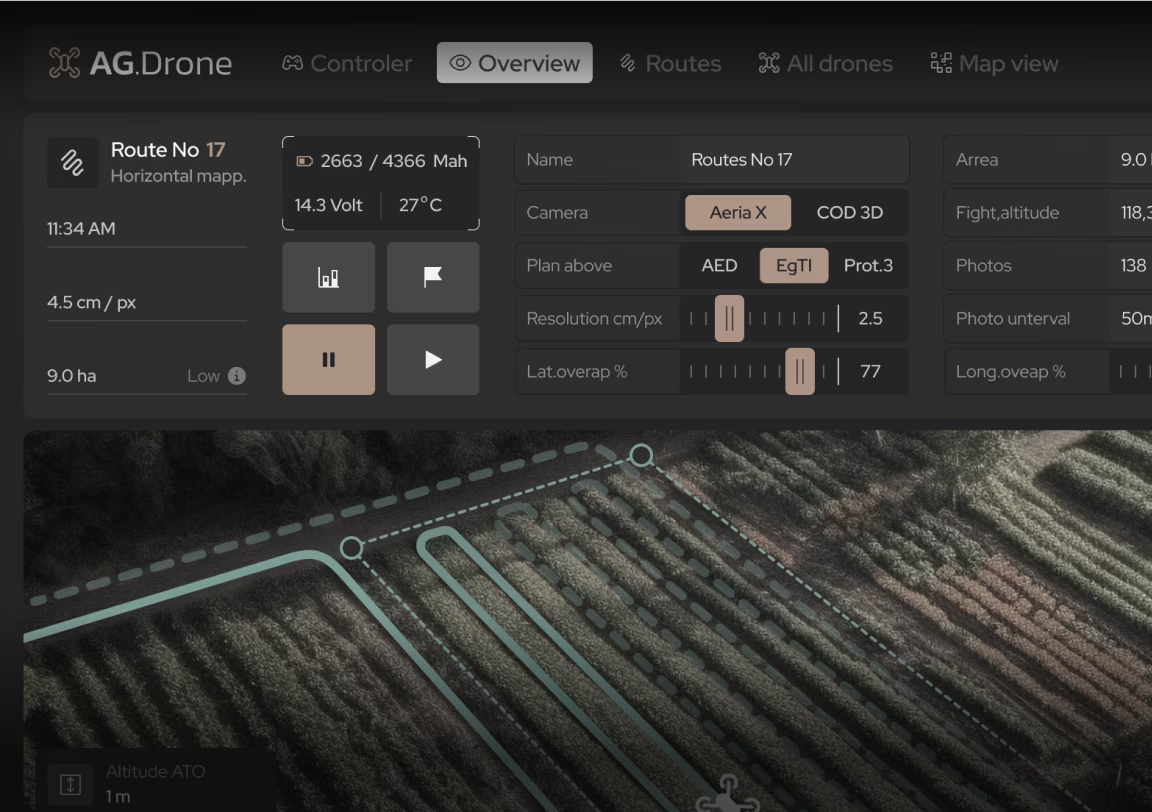
Drone Simulations
Drone simulations model flight paths, environmental conditions, and object detection scenarios, enabling precise planning and testing.
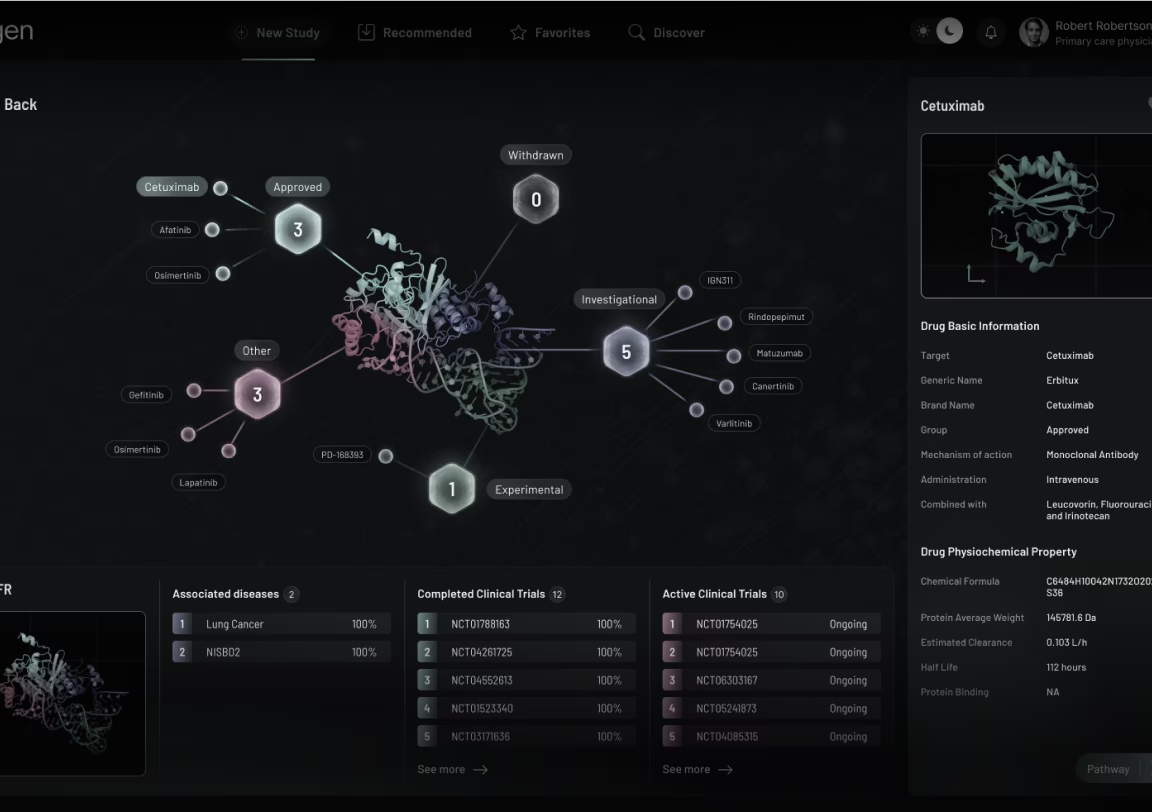
Genetic Simulations
Genetic simulations visualize gene interactions and hereditary patterns, enabling the prediction of traits and genetic outcomes.
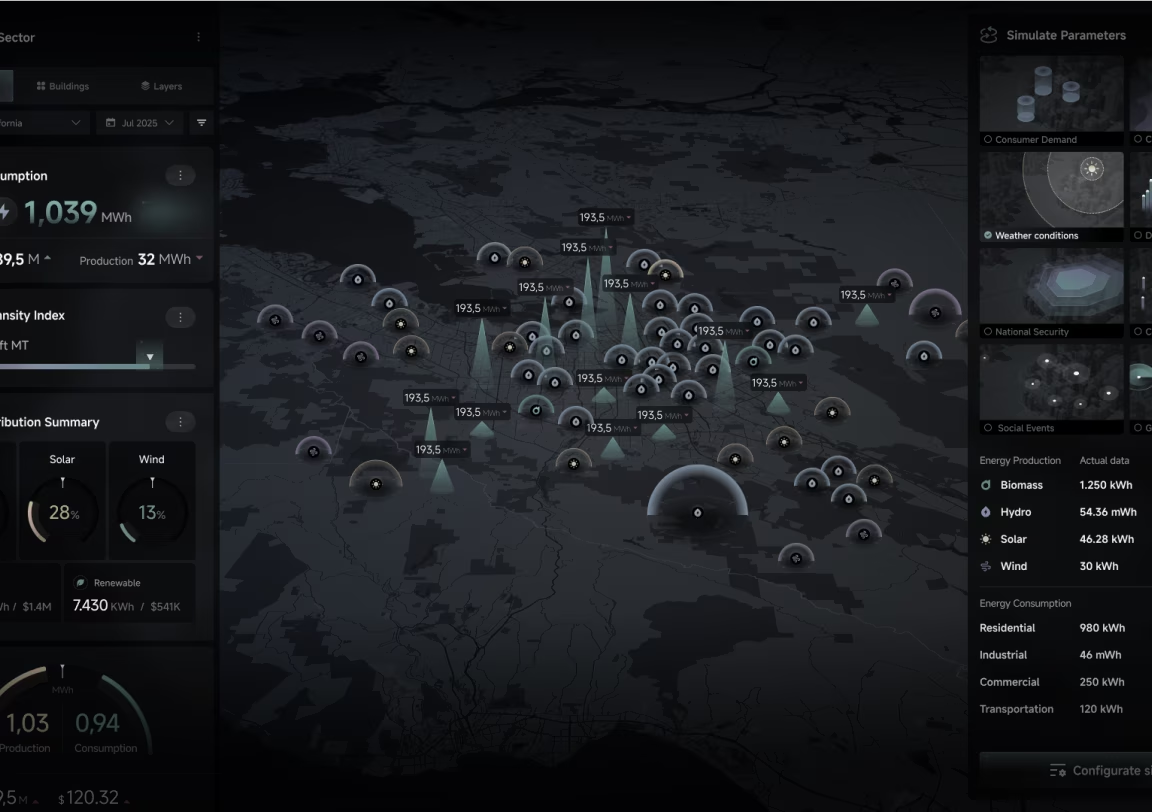
Map-Based Simulations
Map-based simulations analyze spatial data, such as traffic flow, energy distribution, or weather patterns.
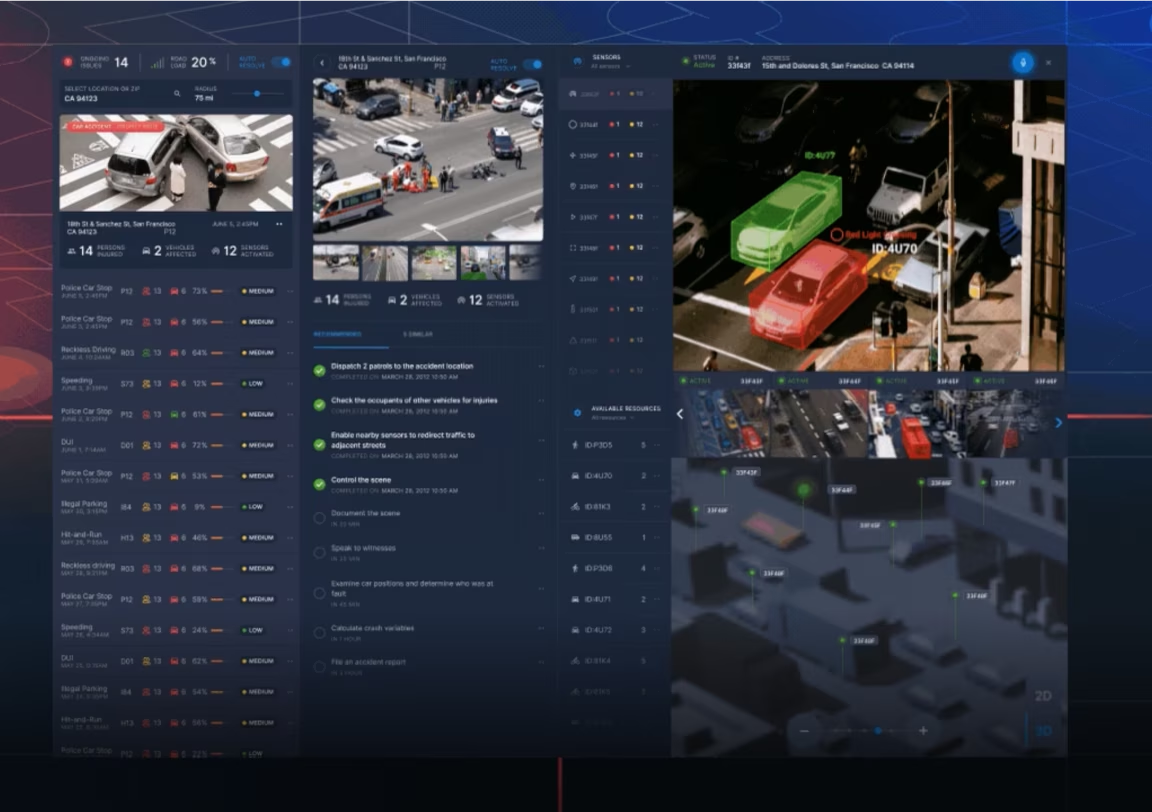
Traffic Management Tools
Traffic management tools simulate vehicle movement and road network usage, optimizing traffic flow and reducing congestion.
Contact Us
Connect with Our Dashboard Development Team
Read Our Blog
Fuselab Creative Insights