Trusted by NASA, NIH, DHCS, Fiserv, Uber. US-based UX research agency built for healthcare, government, and regulated-industry products.
What UX research services include:
User interviews, usability testing, field studies, prototype testing, surveys, and card sorting. Each engagement is scoped to the specific product decisions your team needs to make, not to a default set of methods. Every engagement begins with detailed kickoff meeting, led by a senior researcher named in the contract, not handed to junior staff after the pitch.









When product teams hire Fuselab for UX research
Where a product sits in its lifecycle decides what UX research can change about it, which is why most engagements fall into one of four scenarios. Pre-build research validates a concept before engineering commitment. Pre-launch research catches structural issues before the release date locks in. Live product research diagnoses why a shipped product is underperforming. Redesign research maps what to keep, change, or remove when an existing product is being rebuilt.

The lifecycle stage before engineering commits architecture is where a UX research agency adds the most leverage per dollar spent, because design and product decisions made now have not yet hardened into technical debt. Pre-build research tests whether the proposed interaction patterns work in practice, whether the team’s assumptions about user behavior hold up under observation, and whether the product as scoped solves the problem the team intended to solve.
These engagements typically run two to four weeks and produce decisions about which features to scope into the build versus which to defer. The clearest signals that a product needs research at this stage are stakeholder disagreement about who the primary user actually is, ambiguity about which workflows are critical versus nice-to-have, and engineering teams asking for requirement clarifications that the design team cannot answer with confidence.


A built product needs testing against real user tasks in the three to five weeks before the release date locks in. Issues discovered at this stage can still be fixed within the project budget, while issues discovered after launch compound because they often touch architecture decisions that are expensive to revisit and the team may already be carrying technical debt that limits what can be changed.
Whether this kind of engagement produces useful findings depends on two factors: who the participants are, and where the testing happens. Internal team members produce results that look like usability validation but miss issues the actual target population encounters, and staging environments behave differently from production because real data introduces latency and edge cases that sample data cannot simulate.
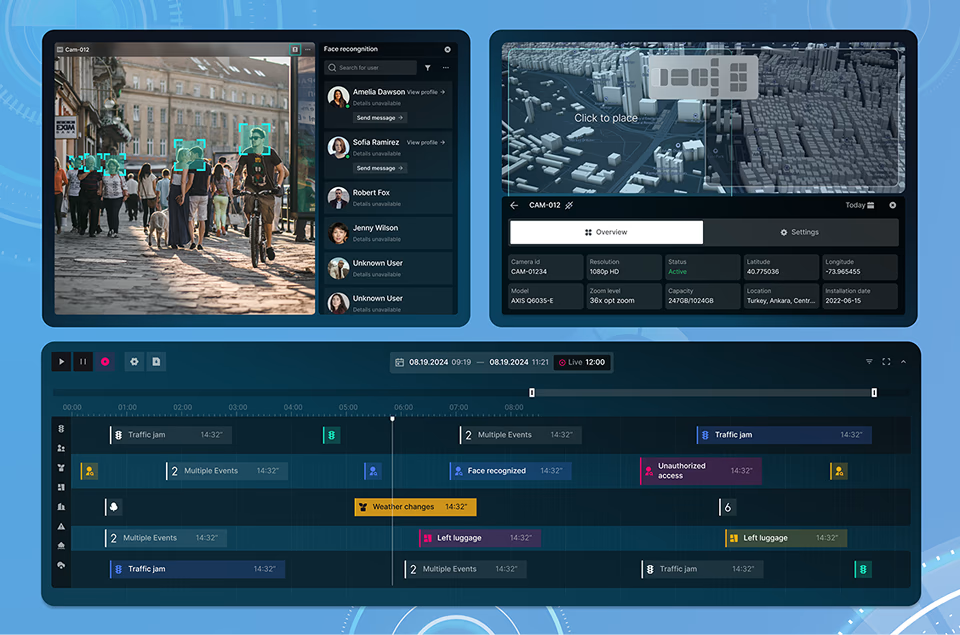

When a shipped product is not performing against the team’s expectations, a UX research agency runs live product research to diagnose why. Conversion drops, abandoned features, support ticket patterns, and low adoption rates point to specific interface friction the team cannot identify without observed user behavior. The research traces the symptom to the cause, and the recommendations target the friction directly rather than guessing at fixes the analytics dashboard cannot see.
Investigation begins with the team’s existing analytics, support tickets, and user feedback, then expands into observed sessions with current users to identify where the data is showing symptoms but not causes. A specialist firm tests specific hypotheses about why the product is underperforming rather than running it against general usability heuristics, because a working product that users abandon is rarely failing on basic usability.
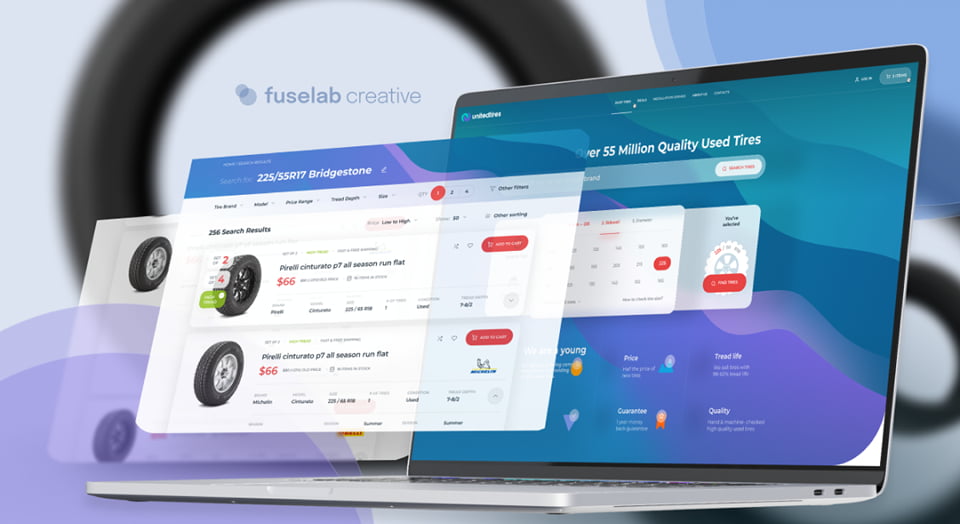

When an existing product is being rebuilt, a UX research agency separates which interaction patterns to keep, which to change, and which to remove. The risk in any redesign is throwing away interaction patterns that worked because they stopped looking fresh, or carrying forward patterns that never worked because the team is used to them. Research separates the two by testing the existing product before the redesign begins.
The most expensive redesign mistake is restructuring an interface around stakeholder opinions about what should change rather than around observed evidence of what users actually cannot complete. Stakeholders inside the company have already adapted to the current patterns and cannot reliably predict which ones are causing friction, which is why the highest-value findings in a redesign engagement often surprise the team that commissioned the research.

Not sure if research is the right next step?
Tell us what's wrong with the product and we'll tell you honestly whether research can fix it.
Testing with the wrong user population
The most common failure Fuselab encounters in new client engagements is testing with the wrong user population. A healthcare product tested only with physicians misses how nurses and pharmacists interact with the same interface under different time pressures. On the DHCS Medi-Cal project, caseworkers needed eligibility-form behavior that supported rapid processing while applicants needed clarity enough to complete it without help. Testing both populations together would have produced findings that worked for neither.
Testing on prototypes instead of production environments
Sample data lies. A prototype loaded with placeholder values catches layout and flow problems but hides the issues that only appear at actual data volume, actual permissions logic, and actual error states. Products that pass in prototype and fail at launch fail on production behavior the test environment cannot simulate.
Delivering findings too late to change direction
A PDF report delivered three weeks after testing ends is research the product team will not use. Fuselab shares session recordings and preliminary patterns within 48 hours of each testing round so the design team can adjust direction while research is still running.
Choosing methods before defining questions
The most expensive engagements are the ones that ran every available method without first agreeing what the data was supposed to prove. A two-week interview round followed by usability testing followed by a survey produces a lot of data and no clear product decision. This is what separates a UX research agency that scopes work around methods from one that scopes around decisions.
Signs your product needs UX research
A digital product needs UX research when support tickets reveal recurring usability complaints, when conversion or adoption rates drop without a clear technical cause, when the product serves multiple user roles that interact with the same interface differently, or when the team is making design decisions based on internal opinions rather than observed user behavior. Any one of these signals justifies a research engagement.
The most expensive version of this problem is when the product works technically but users avoid it. High task completion with low retention means the interface functions but the effort required makes people look for alternatives. Research identifies exactly where that friction lives. Without it, the product team is guessing which part of a working interface is driving users away, and guesses compound into redesigns that miss the actual problem.

Where exactly users are failing
Research pinpoints the specific screens, flows, and decision points where users hesitate, make errors, or abandon tasks. On the ClyHealth clinical AI dashboard, physicians were not failing on the recommendation display itself but on the confidence-score positioning, which pulled their attention away from the underlying evidence the recommendation was based on. Design changes that adjusted the display without surfacing that finding would have addressed the wrong problem.

Whether the navigation matches how users think
Card sorting and tree testing reveal whether the navigation structure matches user mental models or forces them to guess where content lives. Products that skip this step build navigation around internal team logic, which makes sense to the people who built it and confuses everyone else. Fixing architecture after development costs five to ten times more than testing it during the research phase.

Which user roles are being ignored
Most enterprise interfaces serve a primary user role the team designed around, plus three or four secondary roles that inherited the interface without anyone deciding what their workflow should be. The secondary roles develop workarounds the team never sees. Research surfaces those workarounds and identifies which ones are tolerable inefficiencies versus which ones are actively blocking adoption in the secondary populations.
The right method depends
on the right question
UX research methods we deploy
A UX research agency that runs every method on every project has stopped doing research. Fuselab selects from six methods based on what the question demands: usability testing, in-depth interviews, field studies, prototype testing, surveys, and card sorting paired with tree testing.

Moderated and unmoderated usability testing
Moderated testing sessions, where a facilitator guides a participant through tasks, produce the deepest qualitative insights because the facilitator can follow up on unexpected behaviors in real time. Unmoderated testing scales better for validating specific hypotheses across a larger participant pool without the scheduling overhead of one-to-one sessions. The choice between them depends on whether the research needs depth or breadth at that stage of the project.

User interviews
In-depth interviews are foundational in every Fuselab research engagement because they reveal the reasoning behind user decisions that behavioral data alone cannot explain. A user who abandons a checkout flow and a user who completes it reluctantly look identical in analytics. An interview distinguishes between the two and identifies what the reluctant user almost gave up on, which is where the highest value design improvements hide.

Field studies and contextual inquiry
Field studies move research outside the lab and into the environment where users actually work. Observing how someone uses a product at their desk, under interruption, with three other tools open alongside it reveals constraints that controlled testing cannot simulate. The DHCS engagement showed caseworker workflow friction that lab-based testing missed, and the NIH project applied the same approach across clinical tablet and patient mobile contexts.

Prototype testing
Testing interactive prototypes with real users before development begins catches structural problems when changes are still inexpensive. The critical distinction is testing task flows, not visual design. A prototype that looks rough but lets users complete real tasks produces more useful findings than a polished mockup that only demonstrates appearance. Fuselab builds clickable task-flow prototypes for every major engagement and tests them before any design enters the development pipeline.

Surveys and structured feedback
Surveys produce data at scale, but only when the right questions are asked at the right moment. A post-task micro-survey deployed immediately after a key workflow surfaces the specific friction that interviews would miss, because users do not retroactively remember small frustrations. Long cold surveys produce mostly noise. The harder question is timing: when in the user's experience the question is asked tends to determine whether the answer is useful.

Card sorting and tree testing
Card sorting reveals how users mentally organize categories and labels. Tree testing confirms whether users can find specific content within a proposed navigation structure. Both methods take days rather than weeks to complete and prevent costly information architecture restructuring after development starts. Fuselab uses both on every project involving navigation design or content reorganization, because architecture errors discovered after launch require a full structural rebuild rather than a simple content edit.
What a UX research engagement looks like
A typical Fuselab UX research engagement runs six to ten weeks from kickoff to final deliverables. The first week focuses on goal alignment and existing data review with the client team. Testing and data collection run in the middle weeks with live client access throughout. Analysis, recommendations, and implementation support close the engagement.

A UX research engagement begins by defining research objectives, reviewing existing analytics, user feedback, and design documentation, then identifying the specific questions the research must answer. Testing should not begin until the team agrees what a successful outcome looks like.

Research sessions run on recorded platforms where the product team can observe live or review recordings within hours. Methods deployed, whether moderated testing, field observation, interviews, or surveys, depend on the questions agreed at kickoff. Preliminary patterns surface continuously, not in a final report.

Healthcare, government, and fintech products require a regulatory review in parallel to user testing to identify where compliance frameworks shape interface decisions that general usability testing cannot surface. Accessibility issues users silently work around are flagged here, not after launch.

Analysis uses affinity mapping and thematic analysis to identify patterns across the data. Deliverables include a prioritized recommendation list, journey maps, personas, and testable prototypes. Each recommendation traces back to the specific user behavior that produced it.

Implementation work extends past the deliverable handoff. A UX research engagement translates research evidence into interface changes, information architecture adjustments, and testing protocols, working directly with the development team. Engineering review before build prevents mid-development revisions that slow delivery.

4 to 8 weeks after implementation, a follow-up evaluation measures whether the design changes achieved what the research predicted. User behavior data, task completion rates, and support ticket volume are compared against the baseline captured at kickoff to confirm which observations still hold.
UX research project case studies

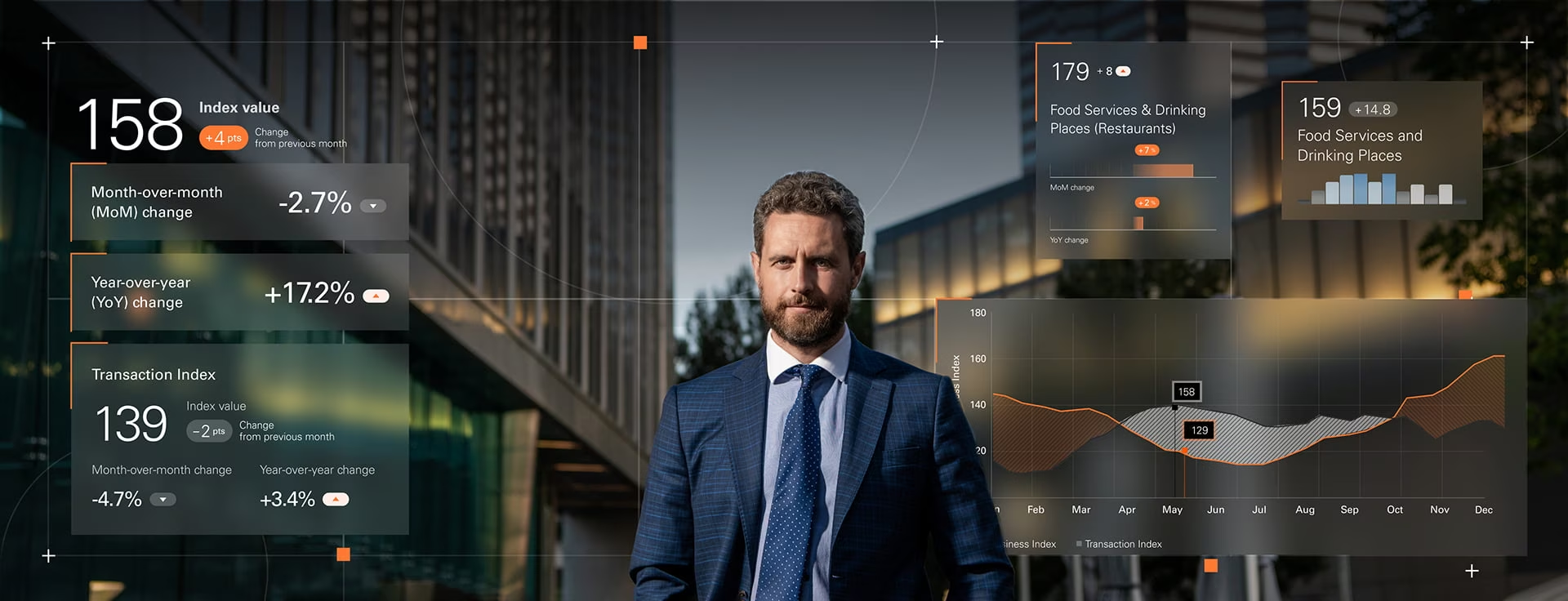

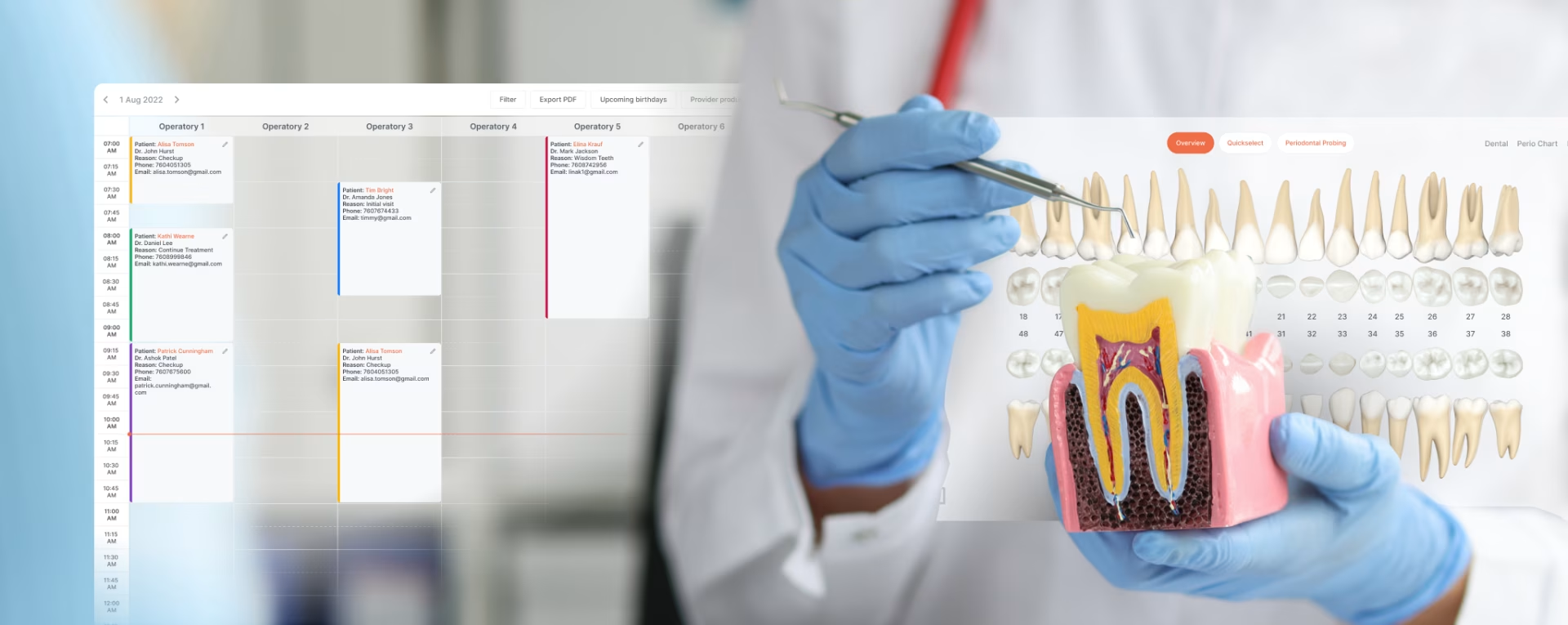







UX research by industry
UX research requirements vary by industry because the regulatory context, user populations, and task complexity differ at a structural level. A healthcare research protocol cannot be applied to a fintech product without adjustment. Fuselab's UX research services concentrate on four industries where domain knowledge directly shapes methodology: healthcare, data visualization and dashboards, fintech, and AI and machine learning.

Clinicians switch user roles mid-task, patients reviewing results have ten to thirty seconds of attention, and administrators process sensitive data while managing interruptions. Commercial UX testing methodology does not transfer to these conditions, which is why healthcare engagements require custom research protocols. HIPAA and Section 508 are the baseline, not the differentiator. The harder question is whether the interface supports clinical decision-making when the user has seven seconds to choose, which is where most healthcare usability testing stops short.

Users reading charts, filtering large datasets, and drilling into anomalies face a different research problem than users completing transactional tasks. The testing is about pattern interpretation rather than task completion, and most UX research frameworks built around transactional flows do not handle information density well. Dashboard research covers chart-type selection logic, information density thresholds, and how the interface handles edge cases in the underlying data.

A user entering bank account details abandons the task at the first sign of interface uncertainty. Financial research has to test trust and transaction confidence alongside standard usability, because the stakes change what users notice and what they tolerate. KYC sequencing, transaction-state communication, and error recovery patterns decide whether users complete onboarding or drop at verification. The hardest fintech UX research problem is not usability. It is how the interface behaves when the transaction fails and the user cannot tell why.

General UX testing does not cover the three things that matter most for AI products: users must understand what the model is doing, calibrate trust in its outputs, and know when to override recommendations. Research here tests how the interface communicates confidence levels, handles failure gracefully, and lets users provide corrections without requiring them to understand the underlying system architecture.

Interfaces used under motion, time pressure, and environmental distraction cannot be evaluated in a controlled testing lab. Field research is essential because in-vehicle and warehouse environments introduce variables that prototypes cannot simulate. A telematics dashboard that tests flawlessly on a laptop can fail within minutes when mounted in a moving vehicle under vibration and changing light conditions, which is why Fuselab tested the Automatize Platform in actual fleet environments rather than simulated workloads.

Trained operators, power users, and administrators perform the same tasks hundreds of times per week. They tolerate friction differently than first-time users because friction that feels minor in onboarding compounds into real cost when repeated daily. UX research for enterprise products focuses on keyboard shortcuts, bulk operations, and error recovery patterns rather than discovery flows or visual appeal.
What to look for in a UX research agency
Four qualifications separate a qualified UX research agency from a general design firm: named projects in the buyer’s industry, live access to research sessions and tools, documented experience with relevant compliance frameworks, and a contractual commitment to measure outcomes after implementation. A UX research firm that meets fewer than three of these is selling research as a deliverable rather than as a product investment.
Named client projects in the buyer's industry
Ask the agency for the names of clients in the buyer's specific industry. "A major financial institution" or "a leading healthcare provider" usually means the engagement was partial, contested, or completed as a subcontractor without a direct client relationship. Named clients confirm the agency has delivered work under the regulatory, technical, and stakeholder constraints the buyer is about to face. An agency that can describe one project end-to-end is more useful than an agency with anonymous case study slides.

Live access during research sessions
Research sessions should be observable in real time, with recordings available within hours rather than batched into a deliverable weeks later. Agencies that gate access to raw research are usually hiding either thin data or findings that contradict their recommendations. Live access is both a methodology signal and a contractual protection, because it forces the research narrative to be defensible in real time rather than reconstructed after the fact.
Documented compliance experience
For products in healthcare, government, or fintech, the agency must have already shipped work under HIPAA, Section 508, WCAG, KYC, or similar frameworks in prior engagements. Compliance work is structural rather than cosmetic. An agency without this experience treats it as a bolt-on consideration and misses the accessibility, consent, and recording-storage requirements that cost the most to fix after the research concludes.

Post-engagement measurement built into the contract
A UX research company that takes outcomes seriously builds a follow-up measurement into the contract: a scheduled review four to eight weeks after the design changes ship, with metrics agreed at kickoff. Without this commitment, the agency can claim the research worked without ever having to prove it. The measurement step is what converts research from an expense into a documented product investment, because the return only appears in the data after the changes have been deployed long enough to show.
Who leads the research team
Our team
Fuselab's UX research work is led by Marc Caposino, CEO and Founder, who has directed research engagements for the NIH, the California Department of Health Care Services, ClyHealth, Fiserv, and NASA across 20 years in regulated-industry UX. The senior team brings specialized backgrounds in healthcare, government, fintech, and AI interface design.


Don't Listen to Us, Read What Our Clients Are Saying.
We know that trusting an outsider with your vision can be scary. This is why if you're not satisfied with us after the first two weeks, you can walk away owing us nothing.
"We went from prototype to usable software lightening fast, and our customer reviews have never been better."


"Their creativity and mastery of UX UI design has made our years of working together enjoyable and incredibly successful!"

"If you need to re-think your product and need some truly unique design talent , Fuselab Creative design team is your answer."

"We needed a nimble team of UI UX designers to work with our development team and they quickly became one of our most vital resources and far exceeded our expectations."


Ready to have a conversation?
Contact our UX Design team
by filling out the form below!
Frequently Asked
Questions
Fuselab Creative has been creating user-friendly and visually appealing digital interfaces for over a decade, and we still feel like we've only touched the surface of our potential.
What is a UX research agency?
A UX research agency runs structured studies of how users behave with a digital product, then translates findings into product decisions the design and engineering teams can act on. The work covers methods like usability testing, interviews, field studies, prototype testing, and card sorting. Specialist agencies focus on healthcare, government, or fintech, where domain constraints shape every research decision. A UX research firm that works across all industries without domain depth will produce thinner findings on regulated-industry products than a specialist UX research company focused on healthcare, government, or fintech.
How much does UX research cost?
UX research services from US-based specialist firms typically range from $25,000 to $75,000 for a full engagement, with hourly rates between $100 and $250 depending on scope and regulatory complexity. Healthcare, government, and fintech projects cost more because compliance review adds structural work to every phase. Offshore generalist agencies charge less but rarely have the domain expertise that regulated-industry products require.
How long does a UX research project take?
A full-scope UX research engagement runs 6 to 10 weeks from kickoff to final deliverables, while rapid validation projects with narrow scope complete in 2 to 3 weeks. The variable that most affects timeline is participant recruitment, not analysis. Products with specialized user populations like clinicians, compliance officers, or logistics operators take longer to recruit than products with general consumer users.
What is the difference between UX research and market research?
Market research studies what people say they want through surveys, focus groups, and demographic analysis. UX research studies what people actually do with a product through direct observation, task-based testing, and behavioral data. Market research answers whether demand exists; UX research answers whether the product works for the people using it.
What deliverables do we receive at the end of the engagement?
UX research engagements deliver a prioritized list of design recommendations grounded in specific user observations, along with artifacts the product team uses after the engagement ends. The standard deliverable set includes journey maps, validated personas, user flow documentation, indexed session recordings, and testable prototypes that demonstrate the recommended changes. Every recommendation traces to a specific observation in the data, not to a general best practice the team could have read online.
Can UX research be done on a product that is already live?
UX research on live products is often more valuable than research during redesign, because testing on production systems captures real performance, real data, and real user behavior that prototypes cannot simulate. A dashboard loaded with sample data behaves differently from the same dashboard pulling live records across multiple API sources. Research on live products identifies the problems users actually encounter, not the problems a prototype predicts.
Who will actually lead our UX research engagement?
A principal researcher with experience in the client’s specific industry leads every Fuselab engagement from kickoff and is named in the contract. This protects the client from the common pattern where the senior researcher who pitched the work disappears once the contract is signed.
Read Our Blogs
UX Research is the Foundation for all UX/UI Design