Fuselab · UX consulting since 2017
UX consulting services for audits, strategy, and advisory









What is UX consulting?
UX consulting is advisory work that produces a written audit, prioritized recommendations, or a strategic roadmap. It ends at the report, not at launch, and differs from UX research (user data) and UX design (the shipped interface).

Heuristic UX Audit
The core of our UX audit services: we review 15 to 40 screens of your live product against usability heuristics and the patterns your users rely on, then rate each problem by severity and turn the list into a redesign plan you can schedule.

Accessibility Audit
Manual keyboard, screen reader, and color contrast testing of your forms, dashboards, and flows against WCAG 2.1 AA, with Section 508 documentation for federal products. You get a remediation plan your engineers can work through in order.
Design System & UI Audit
We audit your UI component library across every product that uses it: which components are missing, which are duplicated, and where teams build around the system. You get the gaps, the fixes in order, and the governance that stops the drift.

Dashboard & Data UX Review
We watch how people read and act on your dashboards, then review hierarchy, filters, drill-downs, and real-time states. You get the structural changes that let an analyst or executive reach a decision without exporting to a spreadsheet.

AI Interface Advisory
An outside read on an AI feature, live or planned: how it explains its answers, shows confidence, handles mistakes, and lets people correct it. We recommend the design changes that decide whether users trust it enough to keep using it.

Pre-Build UX Strategy
Before you commit to an MVP, a new product, or a rebuild, we map your users, the information architecture, and what to build first. You get a UX strategy your designers and engineers can start from, so key decisions are not made mid-sprint.
How a UX consulting engagement runs, from scoping call to readout
A focused UX audit takes two to four weeks from kickoff to readout, and projects start at $25,000. Covering several products, or adding an accessibility audit, can stretch it to six weeks.
Scoping
You and the lead practitioner talk through what you need to decide and what has been tried. The call ends in a written scope of work: screens, deliverables, and price. Work starts once you approve it.
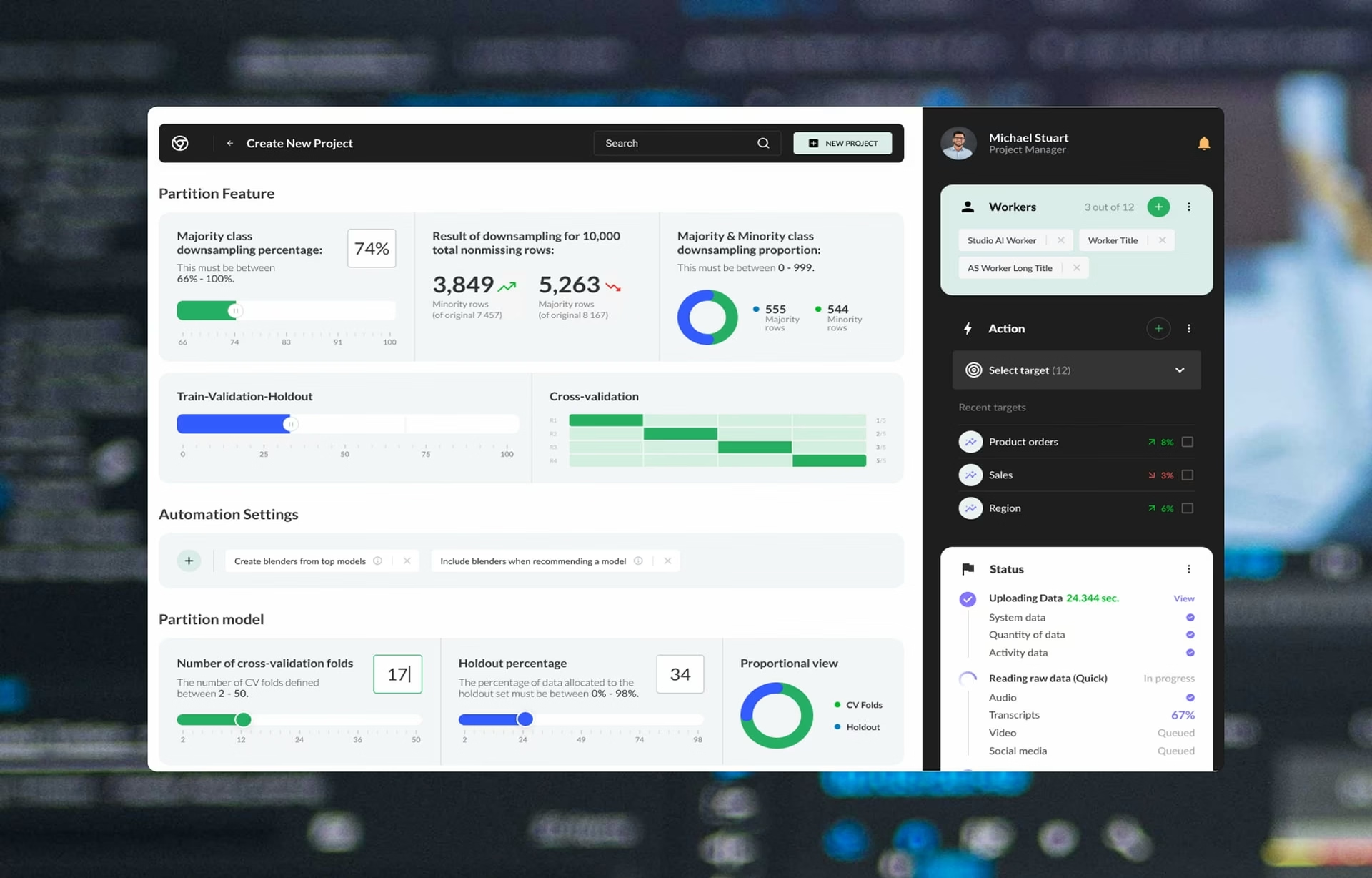
Discovery
Before scoring anything, we study the product and the evidence: prior research, analytics, recordings, support tickets. Then we interview your team about constraints and past redesigns.
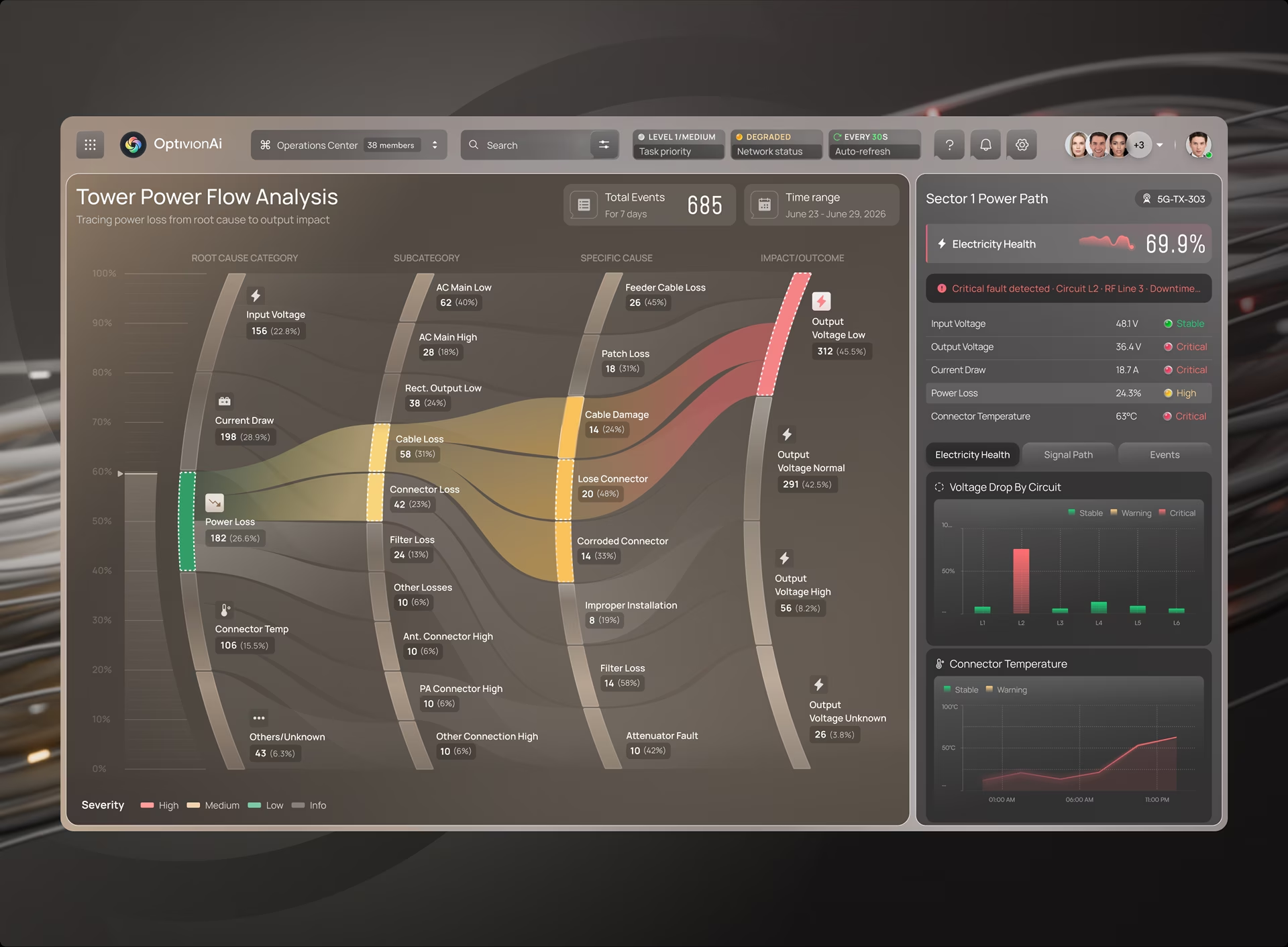
Assessment
We run whatever the scope names: a heuristic review, accessibility testing, a design system audit, or an AI-feature evaluation. Each finding is logged as it appears.
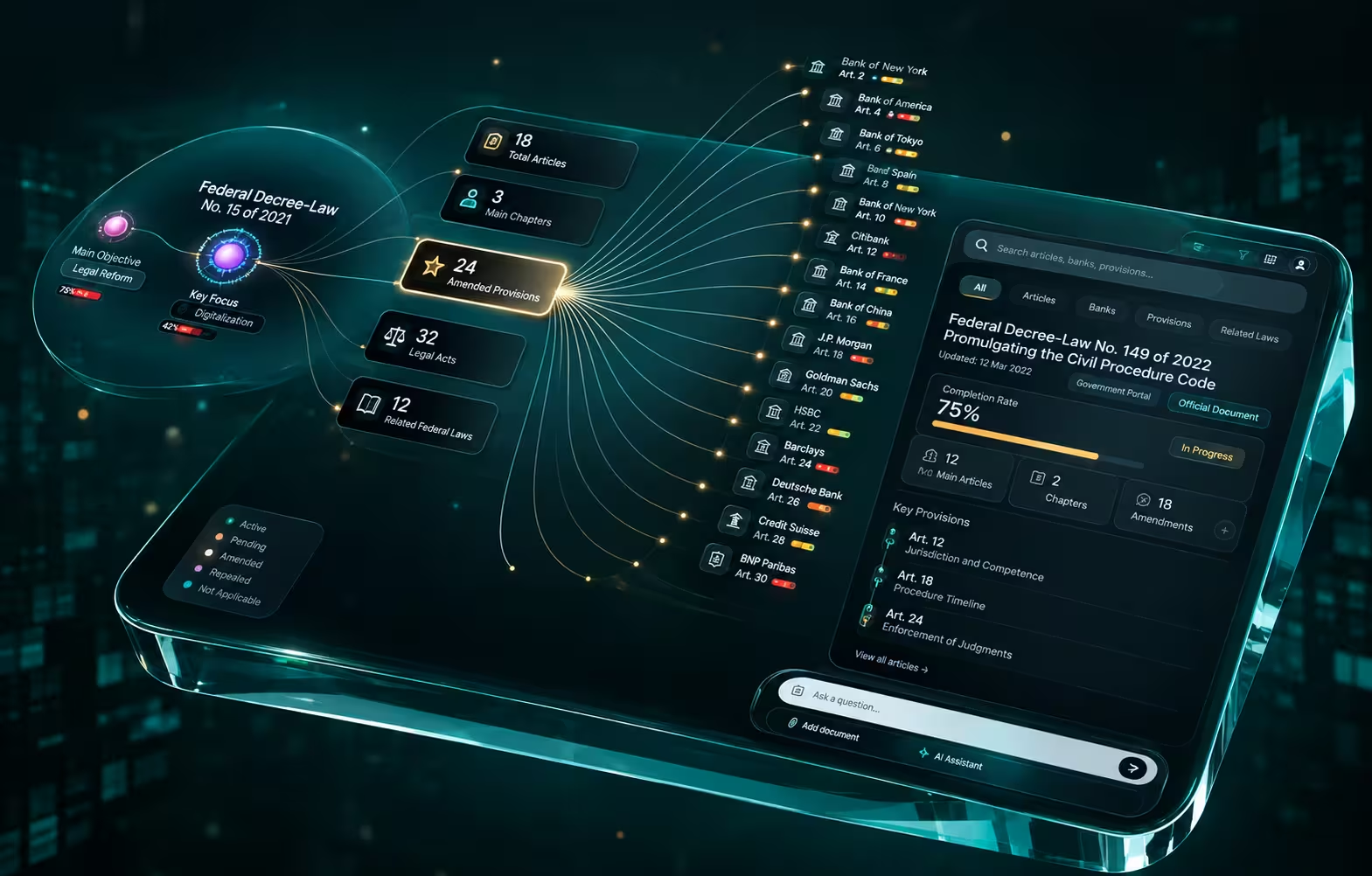
Synthesis
Findings are grouped into themes, severity-rated, and checked against what discovery showed. Cosmetic issues are separated from structural ones, and business priority sets the order.

Report
An executive summary for the people funding the work, findings grouped by theme for the people doing it, each in the same eight fields, and a roadmap when the scope calls for one.
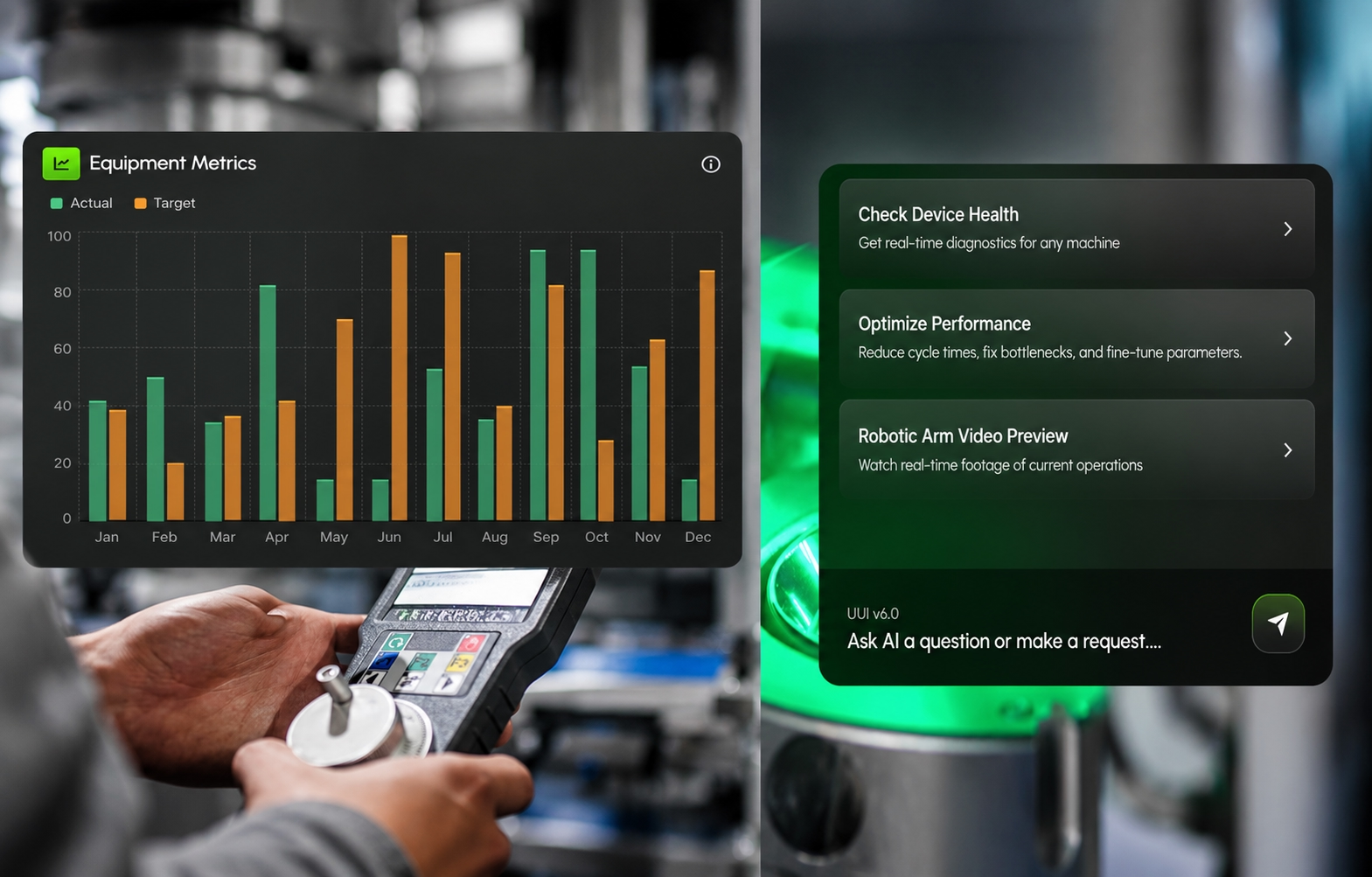
Readout
A live session on the highest-priority findings, with time for questions. Then you choose: your team implements, we design the fixes, or you stop there.

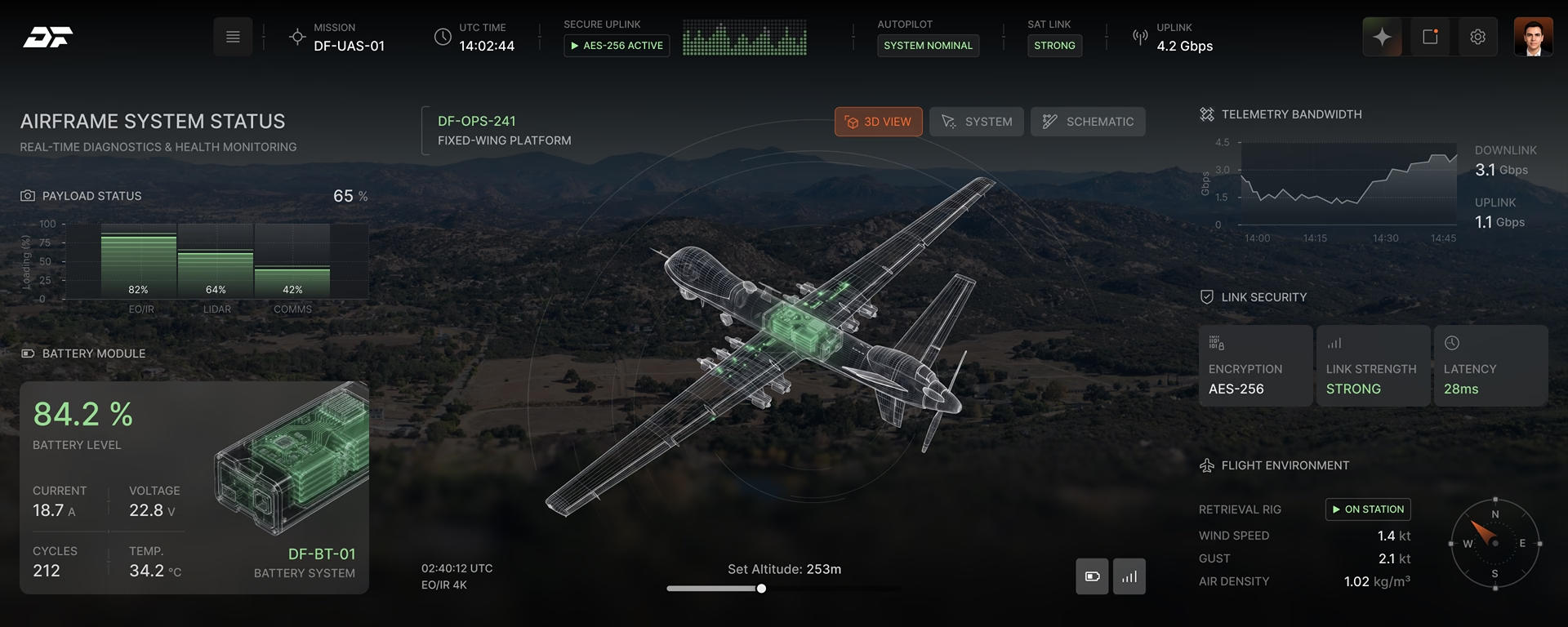
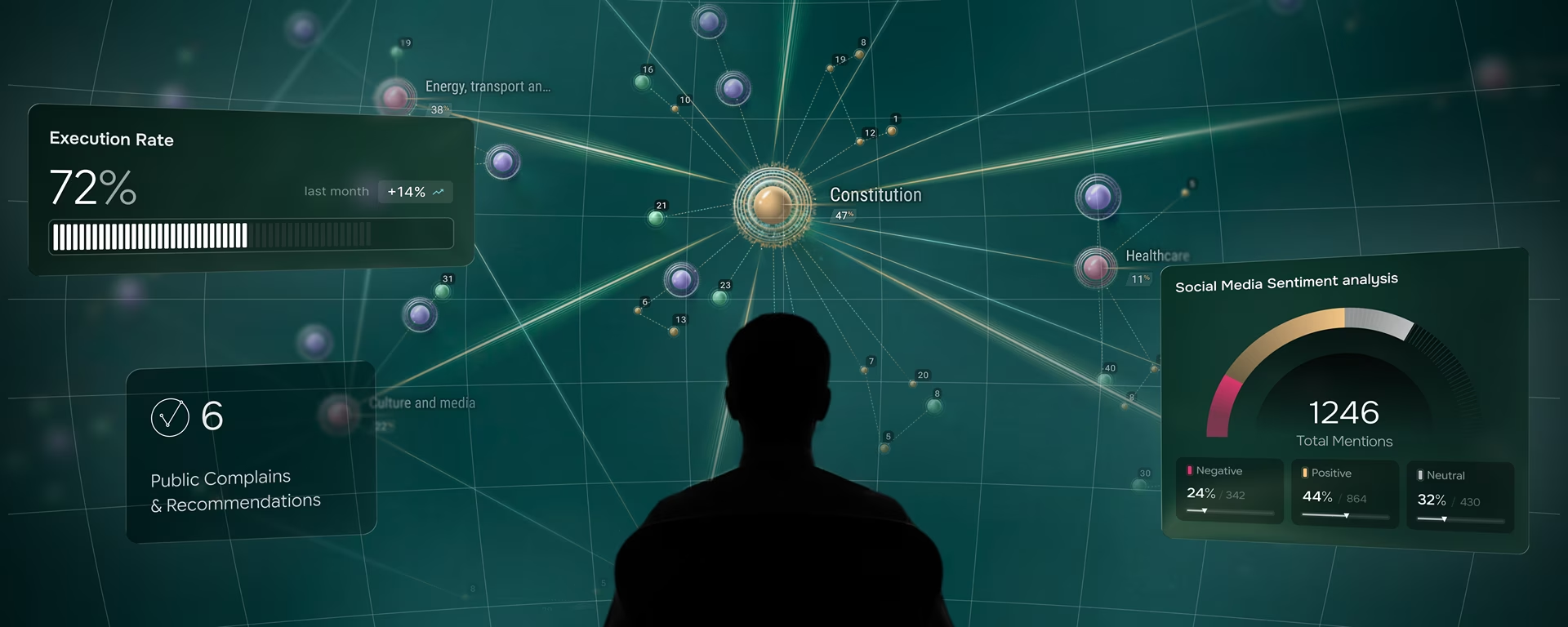
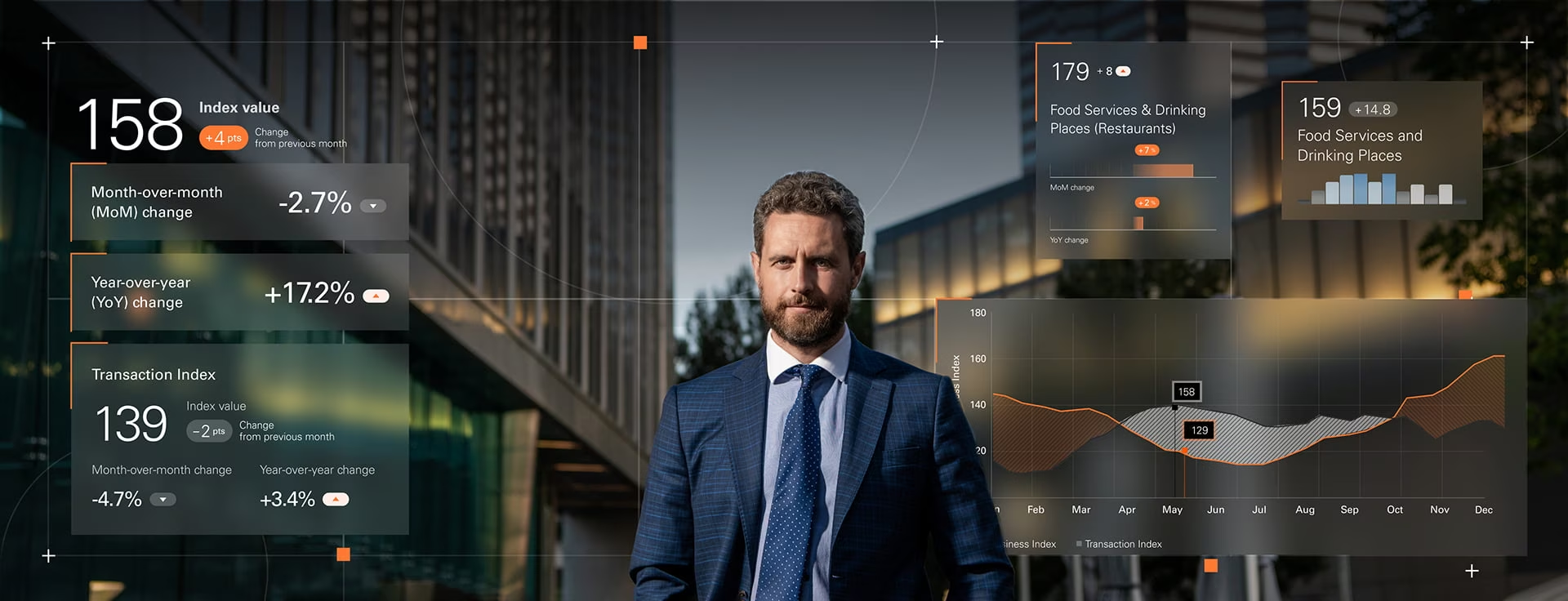
What was found first, and what shipped






What decides whether a UX audit gets used
A UX design consultancy is worth its fee when the findings make it into a sprint. Two habits in how we run every audit come from that.
A long list of equal problems gives a team nothing to plan with, so the report ends up in a shared drive. We score each finding for severity and effort, then sequence them for sprint planning.
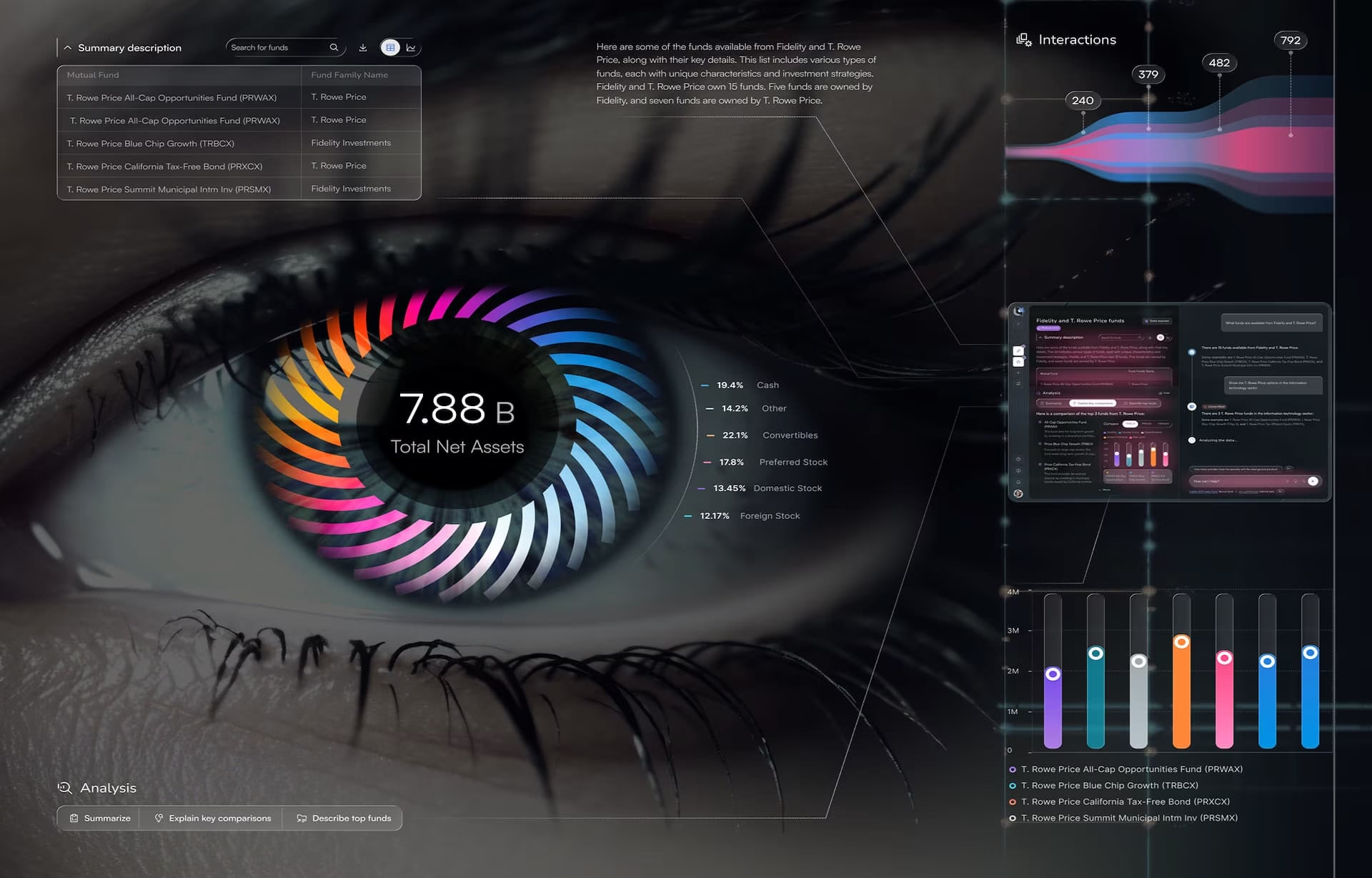
Heuristics catch broken patterns but miss what only your users show: the filter everyone works around, the step support explains weekly. We look for those in discovery, before any screen is scored.
What our UX audit checks first depends on the product
Our UX consulting services follow one method, but the starting point moves. We begin where each kind of product tends to lose users, time, or money, so the first fixes are the ones worth the most.
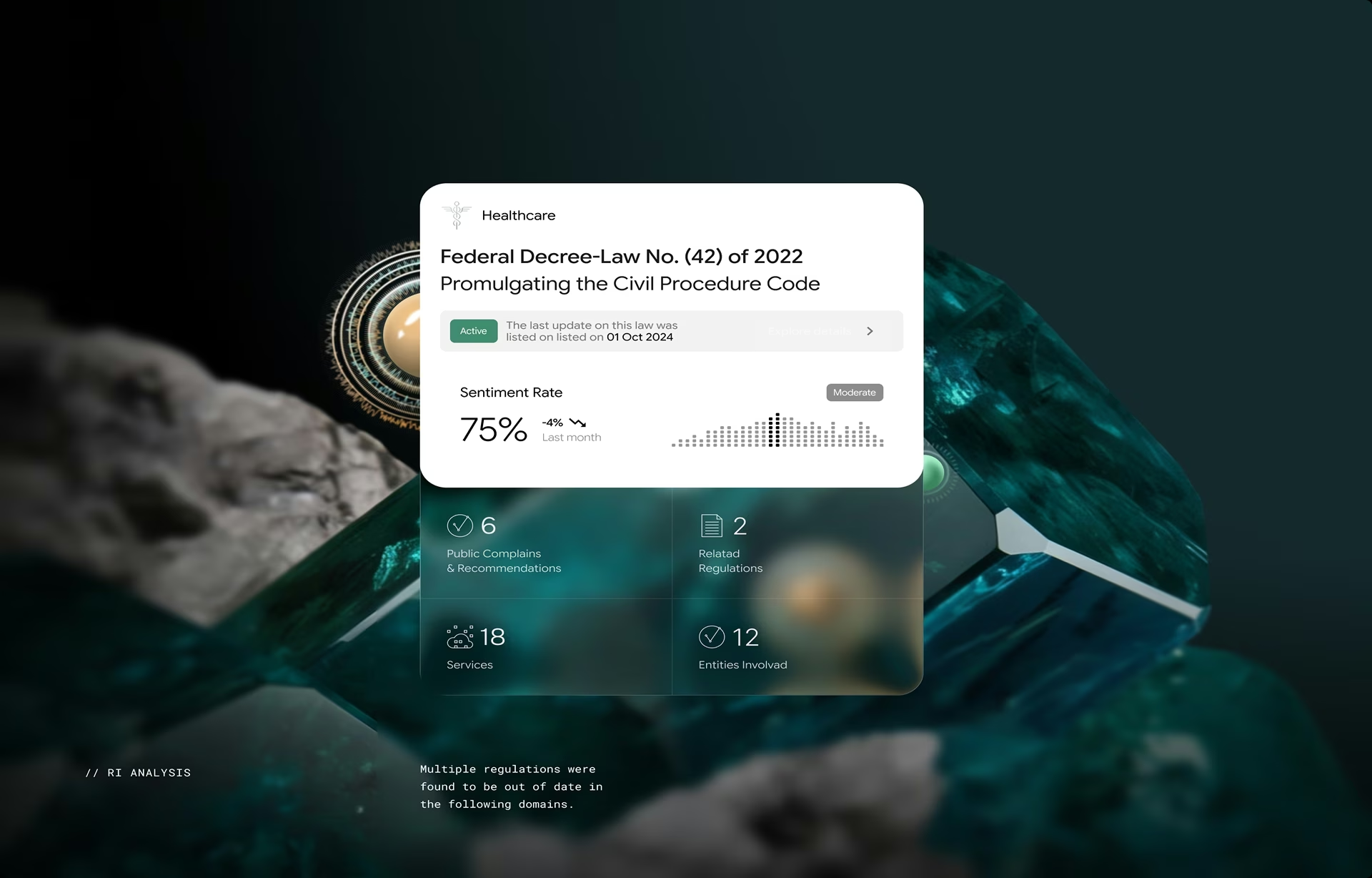
B2B SaaS and enterprise software
In B2B SaaS and enterprise software, we start where accounts stall: onboarding, SSO sign-in, roles and permissions, the admin console. If a customer's admin cannot add a user without calling you, we find the screen that forced the call.
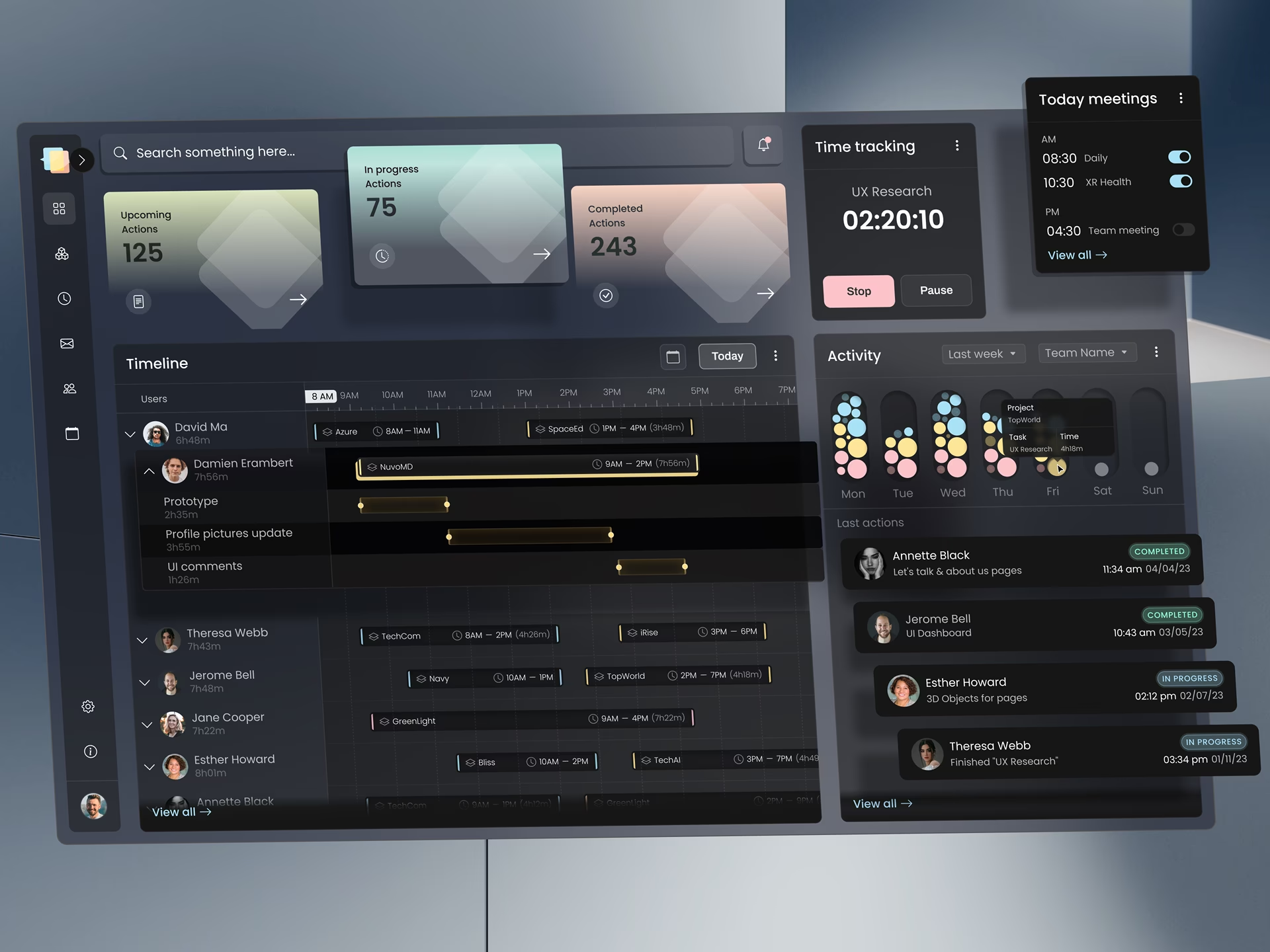
AI products and features
We audit copilots, AI search, and decision-support features inside the workflow they serve: where a suggestion appears, which step it replaces, how work passes to human review, and whether people can finish the task when they ignore it.

Startup MVPs after launch
Early users rarely follow the path a startup's MVP was built around. We compare the flow you designed with the one they take, check the first session and error states, then split what to fix before growth from what can wait for version two.
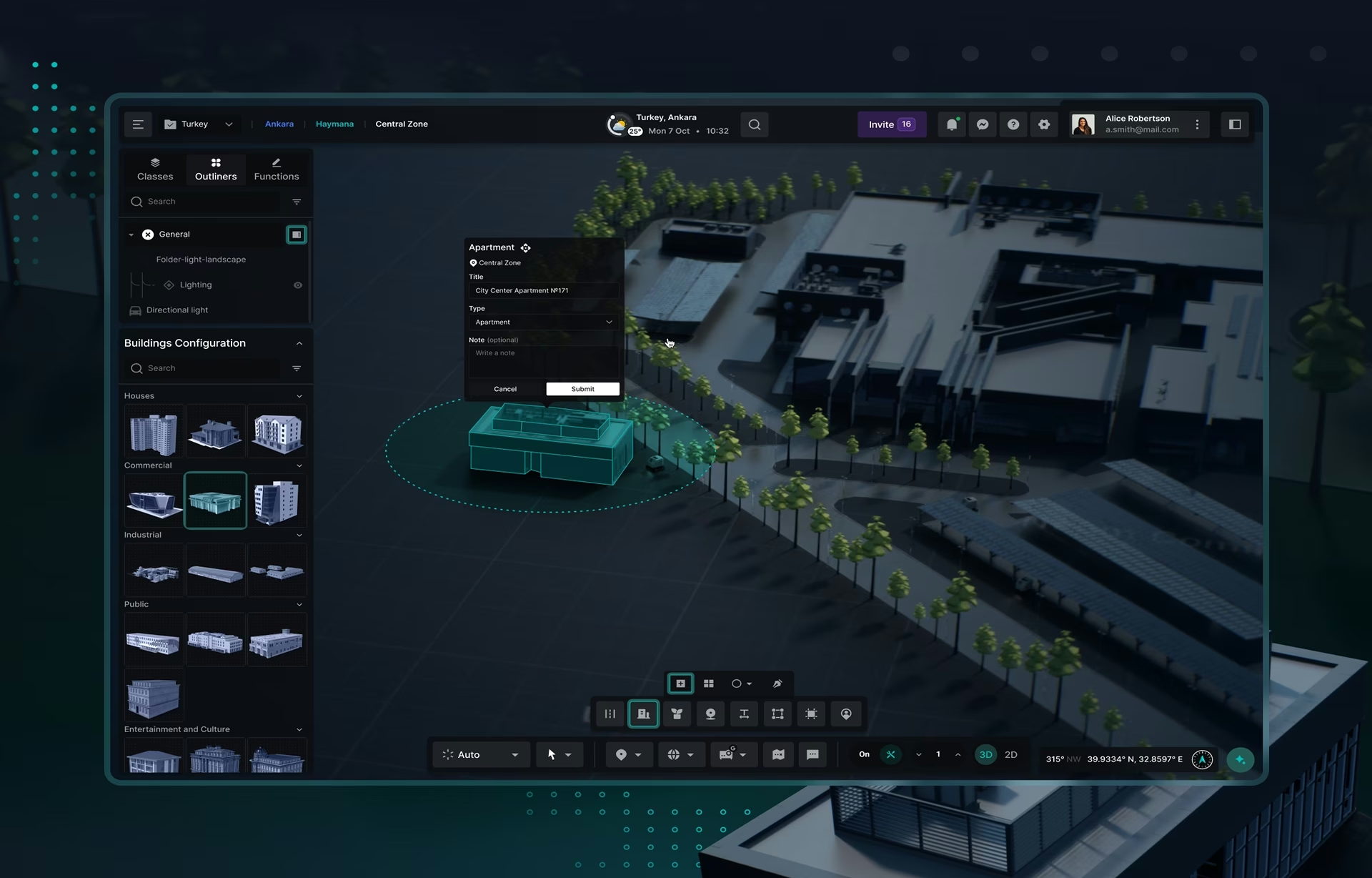
Healthcare and clinical software
For clinical software, we first measure what each patient costs a nurse in clicks and screen switches. Then we look at the EHR alerts clinicians dismiss unread, and at what each role may see under HIPAA in patient portals or secure messaging.
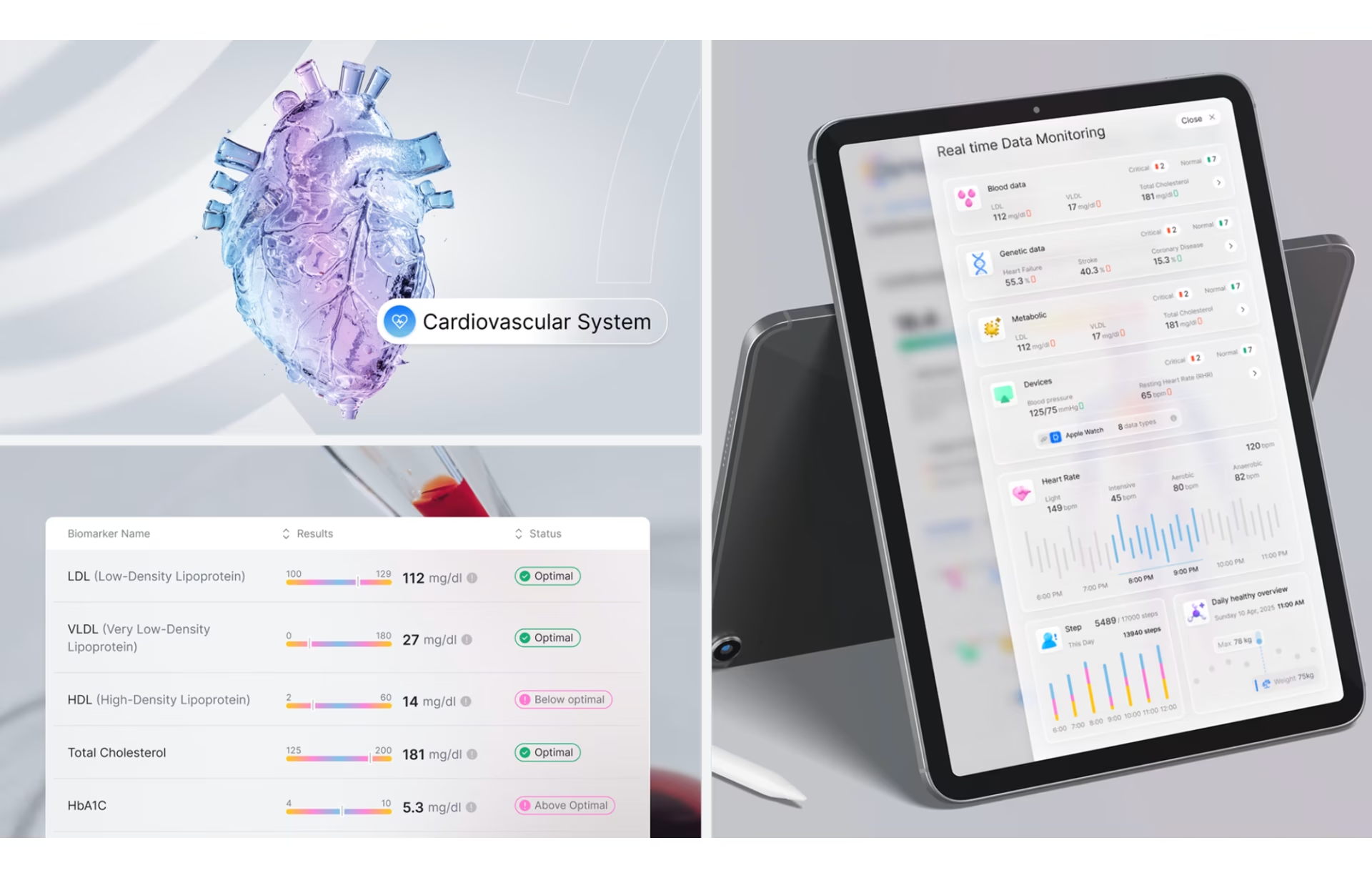
Transportation and logistics
Dispatch, routing, and fleet tools get tested against a busy shift. We check how fast a dispatcher spots a late delivery or an idle vehicle, whether alerts are ranked by urgency, and whether the driver's tablet shows what the office sees.
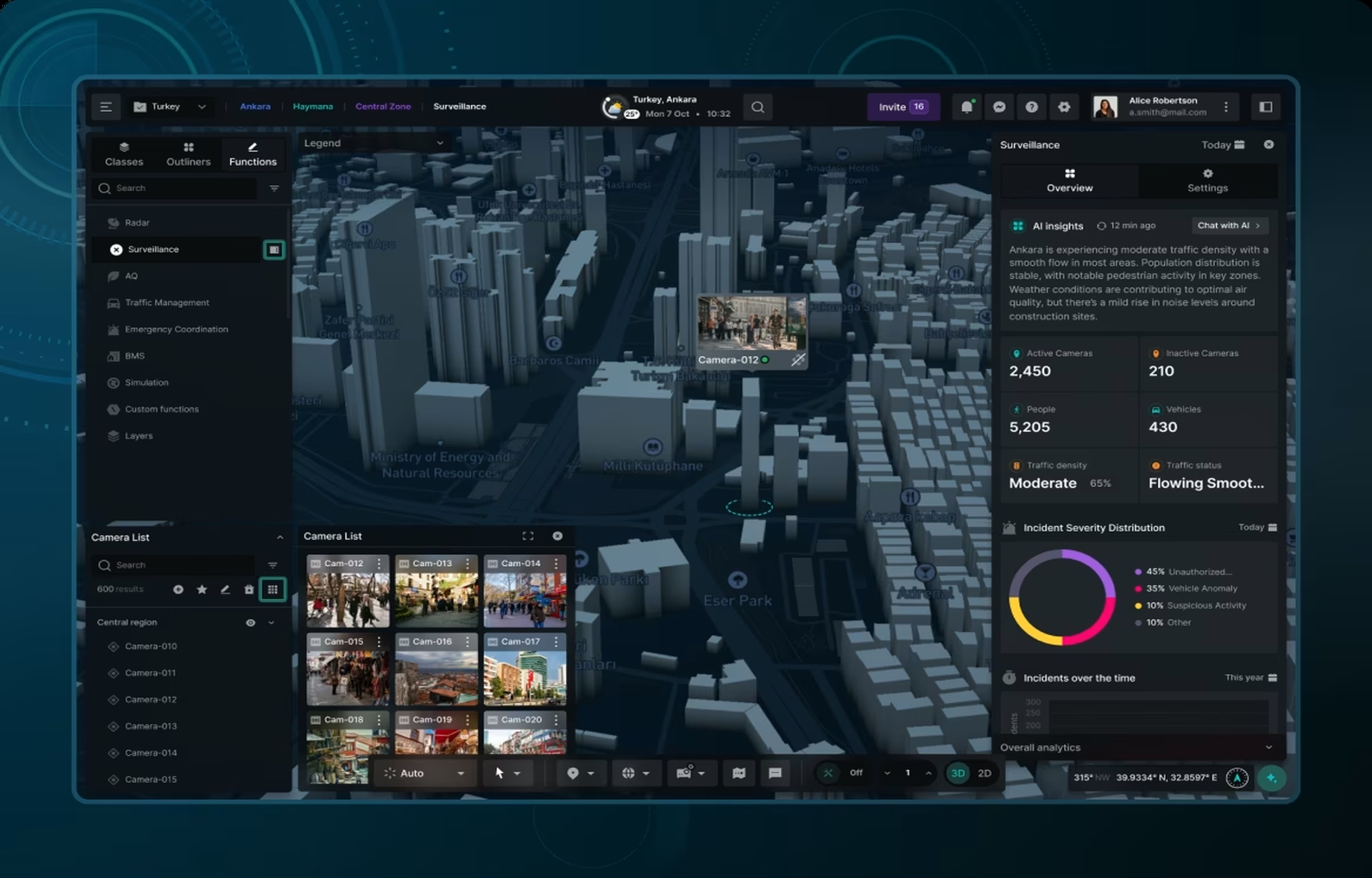
Government and public sector
Government audits open with the application form residents abandon halfway and the legacy case screens staff work around on paper. Both get checked against Section 508 for federal agencies or the ADA Title II web rule for state and local ones.
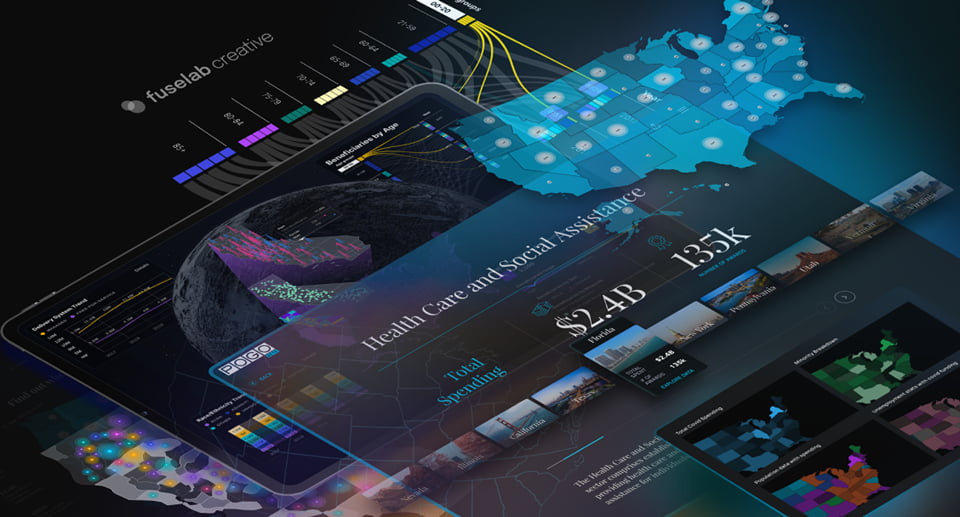
Fintech and financial services
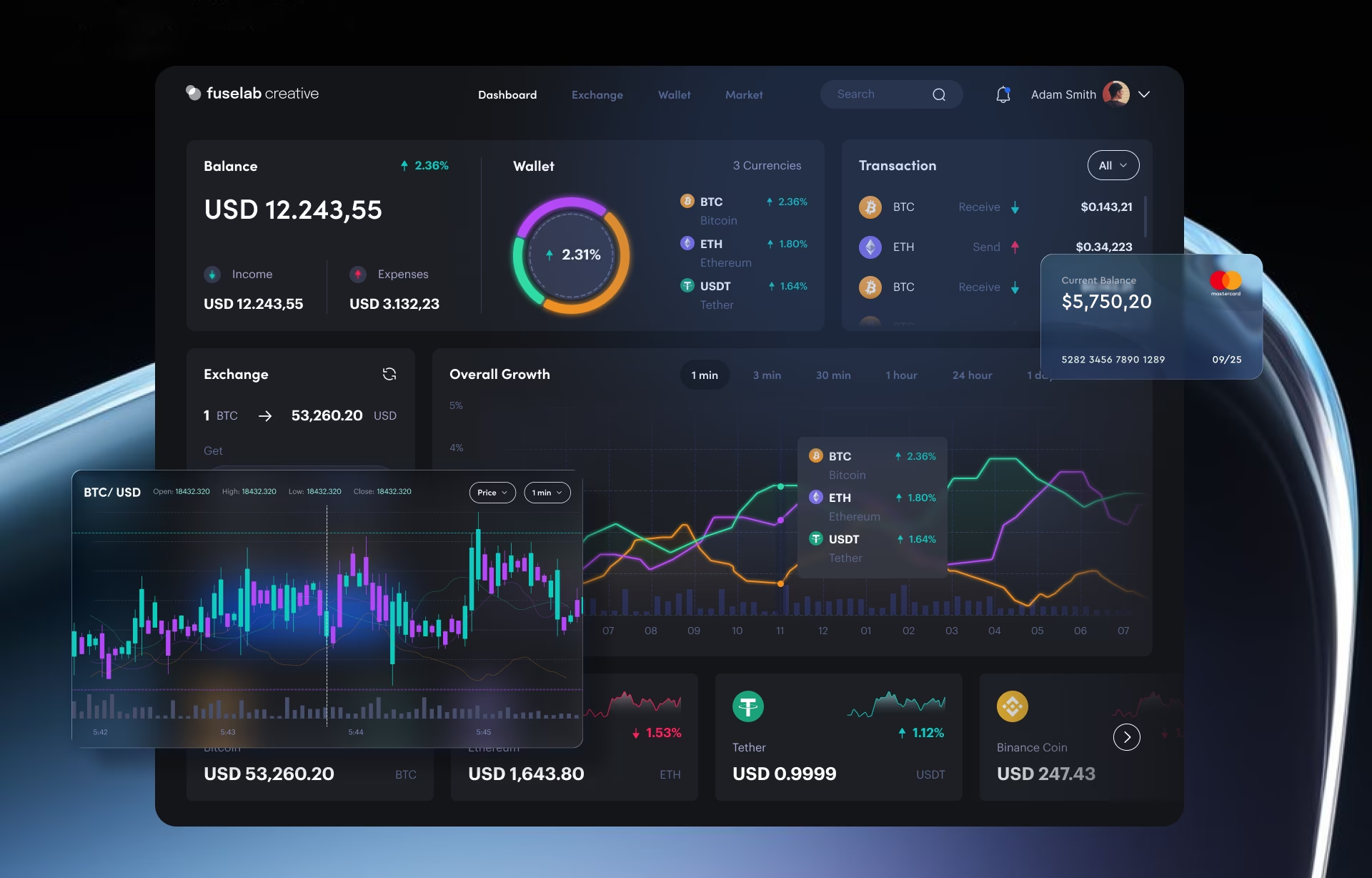
Fintech products lose trust while money is in transit. We review what a payment shows when pending, failed, or reversed, who approves it, how often security prompts break routine work, and whether anyone outside compliance can read the audit trail.
Fit check
When should you hire a UX consultant?
If consulting is the wrong buy, the scoping call says so, before a scope of work or an invoice exists.
We run every service named here in-house, so this check changes the order of the work, not the team doing it.

UX consulting
Diagnosis before design
Hire someone else
Consulting is the wrong first step
- You need fresh interviews or usability tests with your own users. Start with UX research.
- You already know what is broken and need the fixed screens. That is UX design work.
- Digital product design fits when one team should carry strategy, design, and engineering through launch.
- A demo is weeks away. Our MVP development team builds something people can click, at a fixed price and date.
Hire a UX consultant
You need an outside diagnosis
- Adoption has stalled or churn is rising, and your team disagrees on why.
- A rebuild or your MVP's next version is being planned, and you need to know what to keep.
- An accessibility deadline or a federal procurement review is coming up.
- Several products share one design system but no longer look or behave alike.
- An AI feature is about to reach users who have no reason to trust it yet.
Who leads UX consulting engagements at Fuselab

George Railean

Marc Caposino

Katie Westcott

Erica Lee

Katie Petric

Joe Elmendorf

Anthony Joseph Fransella

Vlad Bobu
Don't Listen to Us, Read What Our Clients Are Saying.
We know that trusting an outsider with your vision can be scary. This is why if you're not satisfied with us after the first two weeks, you can walk away owing us nothing.
"We went from prototype to usable software lightening fast, and our customer reviews have never been better."


"Their creativity and mastery of UX UI design has made our years of working together enjoyable and incredibly successful!"

"If you need to re-think your product and need some truly unique design talent , Fuselab Creative design team is your answer."

"We needed a nimble team of UI UX designers to work with our development team and they quickly became one of our most vital resources and far exceeded our expectations."


Frequently Asked
Questions
Common questions about UX consulting services: what they include, how long they take, what they cost, and how to choose a consultant.
What is UX consulting?
UX consulting is advisory work on a digital product. A consultant reviews it and delivers a written audit, prioritized recommendations, or a roadmap. Your team or a separate design engagement ships the fixes.
What does a UX consultant do?
A UX consultant reviews a live or planned product against usability principles, accessibility rules, and business goals, then writes a report that ranks what to fix first. Your team decides who builds the fixes.
How is UX consulting different from UX research?
UX consulting works from evidence that already exists: analytics, recordings, past research, and an expert review. UX research collects new evidence through interviews and usability tests with your own users.
What should you look for when hiring a UI/UX consultant?
A UI/UX consultant worth hiring shows you a sample finding, names the standard each finding is measured against, and tells you who does the work. Ask which finding changed a client’s design and what shipped because of it.
How long does a UX consulting engagement take?
At Fuselab, a focused UX audit takes two to four weeks from kickoff to readout. An engagement covering several products, or an accessibility audit alongside the usability review, runs up to six weeks.
Can government agencies hire Fuselab for UX consulting?
Federal agencies can order UX consulting from Fuselab through our GSA Schedule contract. State agencies such as California’s DHCS and nonprofits such as the Project on Government Oversight contract with us directly.
How much do UX consulting services cost?
UX consulting services at Fuselab start at $25,000, the minimum project size on our Clutch profile. The price is set in the scope of work before anything starts and grows with the number of screens, products, and audit types.
What does a finding in a Fuselab UX audit look like?
A Fuselab UX audit finding names the screen, the problem, the evidence, the principle broken, a 0 to 4 severity, the fix, the effort and the priority. Example: filters reset after each invoice view, severity 3, small fix, next sprint.
Read Our Blog
UX consulting insights from the Fuselab Creative blog