Fuselab turns product requirements, existing designs, and early-stage ideas into production software. We handle architecture, front-end and back-end development, integrations, testing, deployment, and post-launch support for data-heavy and regulated products.
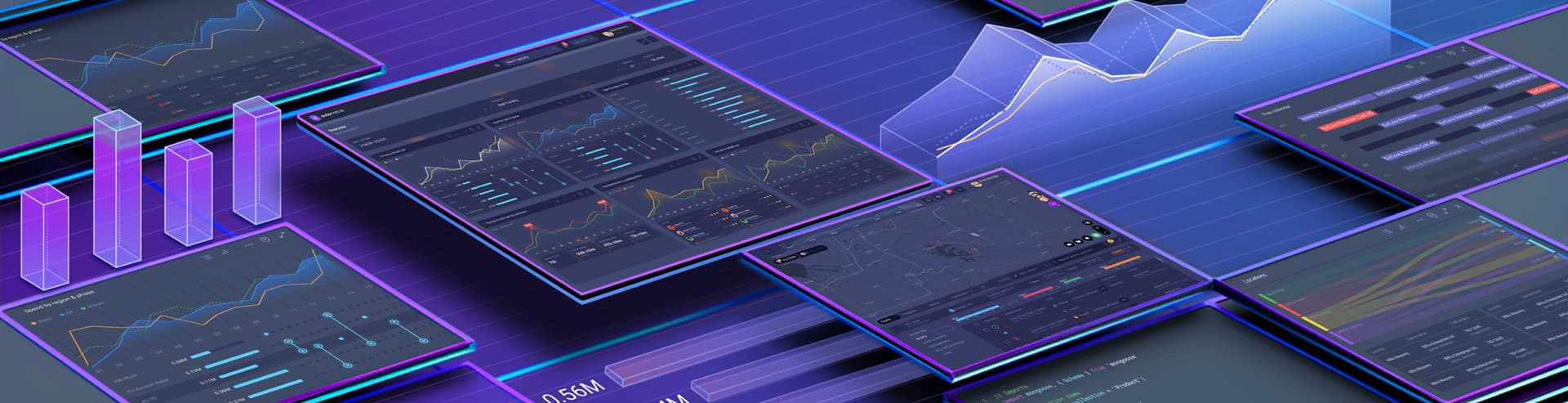
Analytics interfaces, geospatial applications, dashboards, and regulated systems—built to keep complex workflows clear, responsive, and reliable under real-world load.









Our Digital Product
Development Process
Engineering starts where the specification ends. Architecture first, then build in two-week cycles that each close with working software, then integration, testing, and deployment into your environment.

The team reads the existing system first: the data you hold, the services it talks to, the constraints nobody wrote down. Most overruns trace back to something found in week six that belonged in week one.

Data model, integration points, permissions, and the environments it runs in are settled before code is written. Where a design specification already exists, this is where it meets what the stack can actually do.

Development runs in two-week cycles, each one closing with software you can open and use. Priorities get reordered at the end of every cycle, based on what the last working version actually showed you.

Third-party services, internal systems, and existing data all connect at this stage. We sequence the integrations early rather than late, so the surprises arrive while the schedule can still absorb them.

Functional, performance, and security testing run continuously, not as a phase before launch. Accessibility is built in during development, because retrofitting it afterwards costs several times more.

We deploy into your environment, hand over the repository and the documentation, and stay on after release. The engagement ends when your team can run the product without us, not on the delivery date.
Digital Product
Development Services We Offer
As a digital product development agency, Fuselab builds data-heavy products where the hard part is the data layer. We can start from your specification or ours.
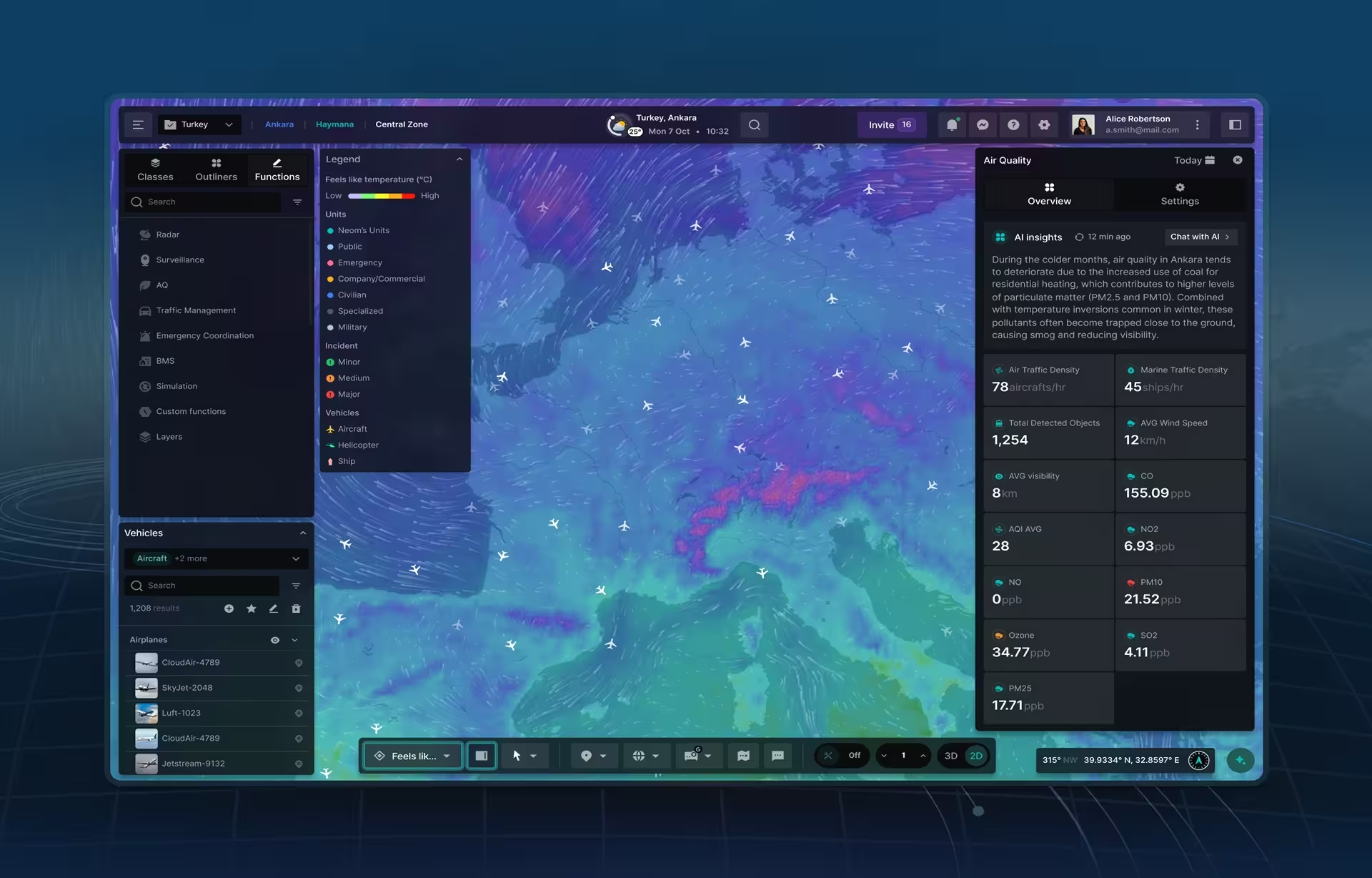
Map Visualization Development
Fleet tracking, route management, and field operations built on Mapbox and Esri. The hard part is rarely the map. It is holding thousands of moving objects, live telemetry, and historical layers at speed while someone filters across all three.

Data Visualization Development
Analytics interfaces built as custom applications, or on top of Power BI and Tableau where your data already lives there. Custom wins when the interaction model matters, or when the volume defeats a BI tool. We tell you which case you are in.
Custom SaaS Web Apps Development
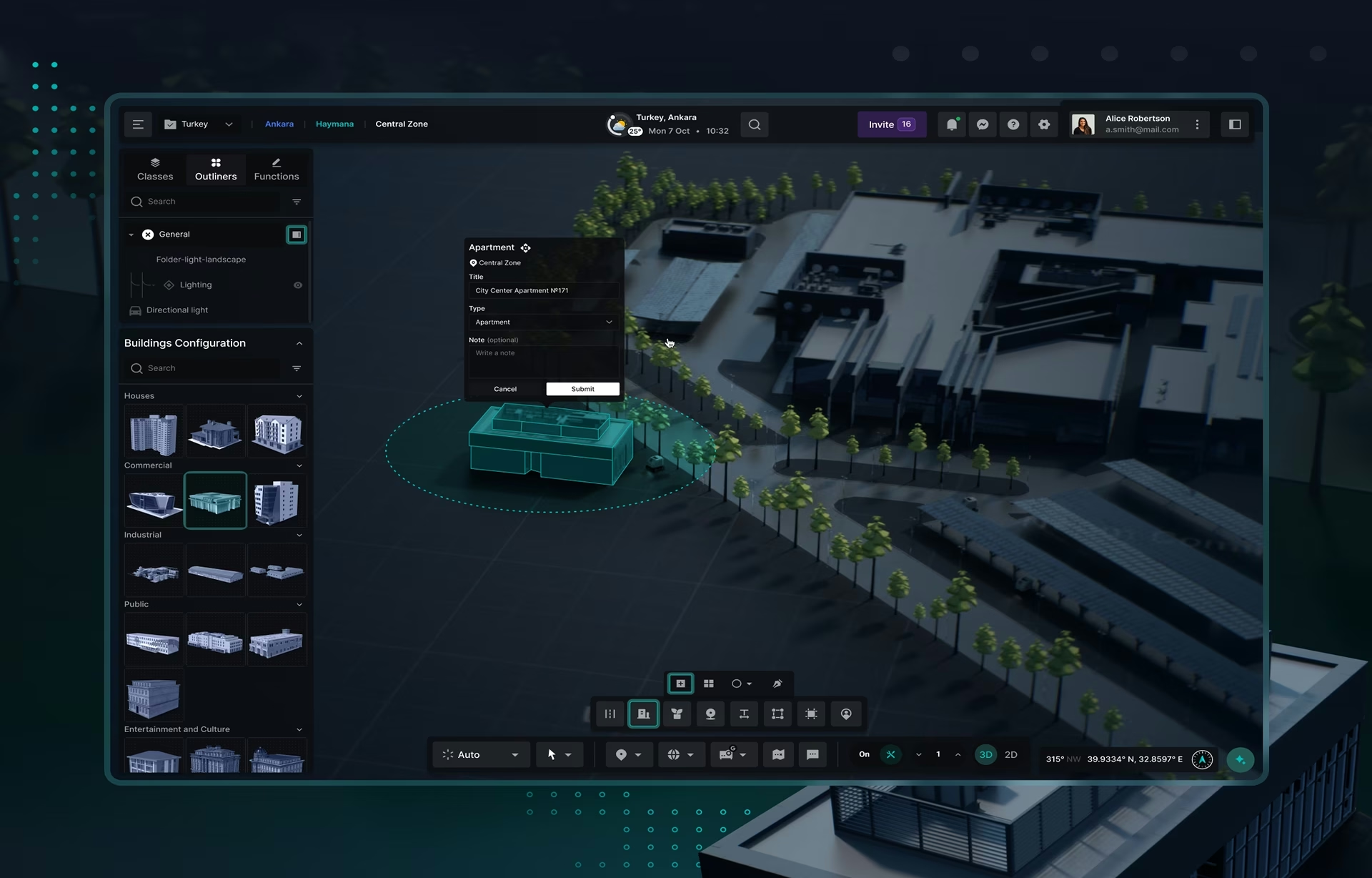
Multi-tenant platforms, internal tools, and customer-facing applications built from the data model up. Most of the difficulty sits in roles and permissions: who sees which records, and what happens when someone's access changes mid-session.
Dashboard Development
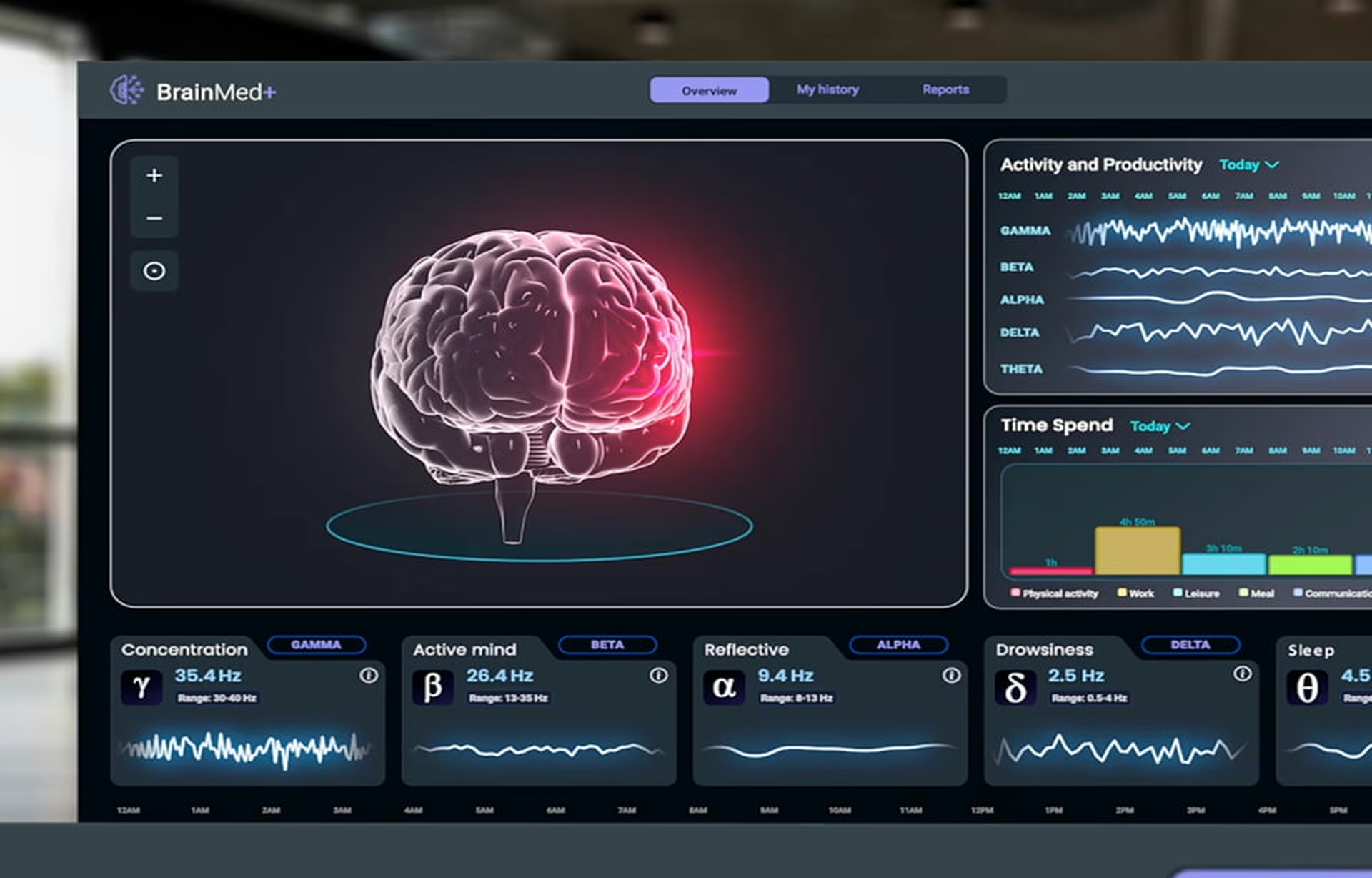
Operational dashboards where data arrives faster than a person can read it. The engineering work is deciding what updates live, what waits for a refresh, and what the screen does when a feed drops out in the middle of a shift.
EHR and Healthcare App Development
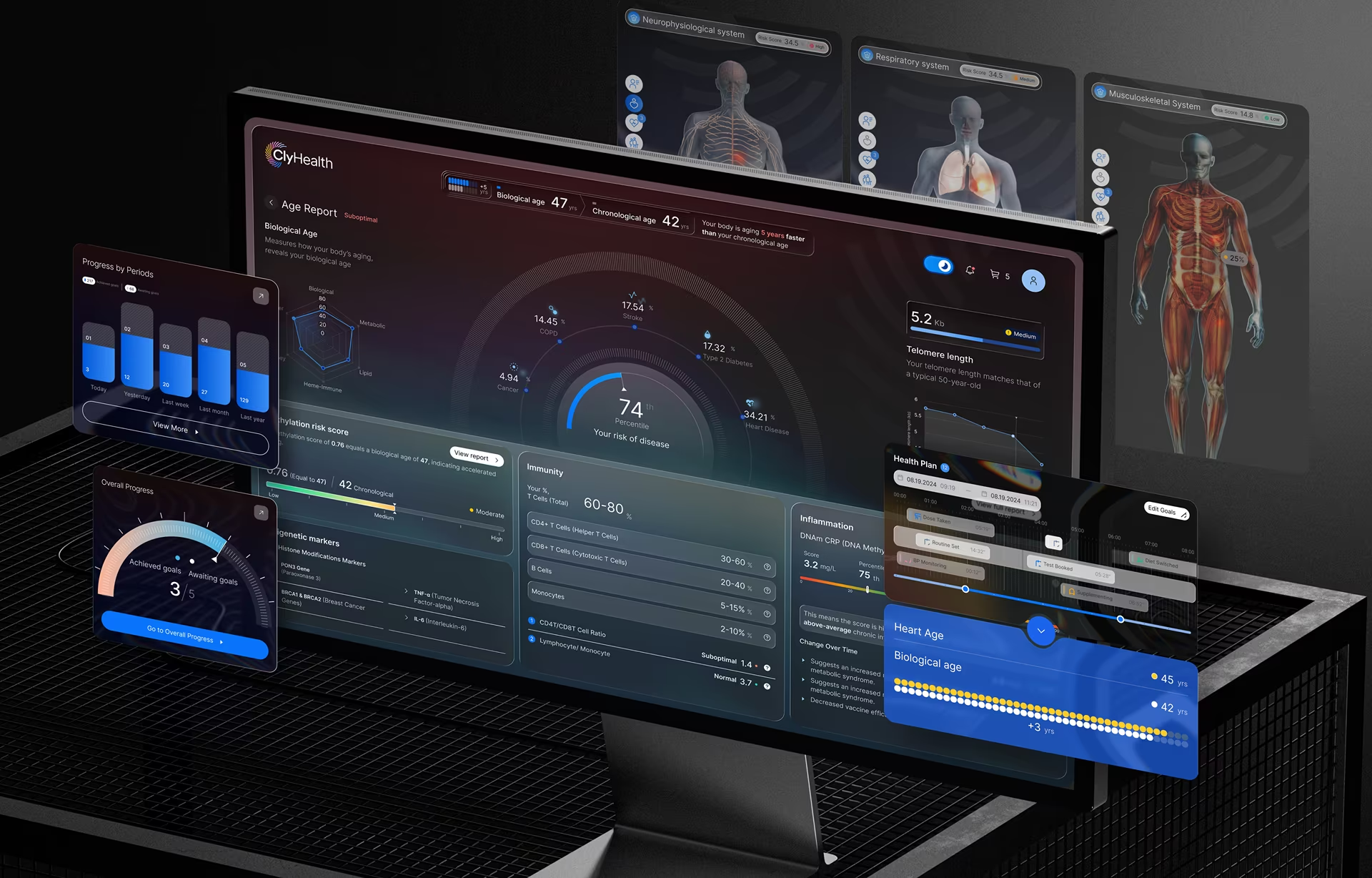
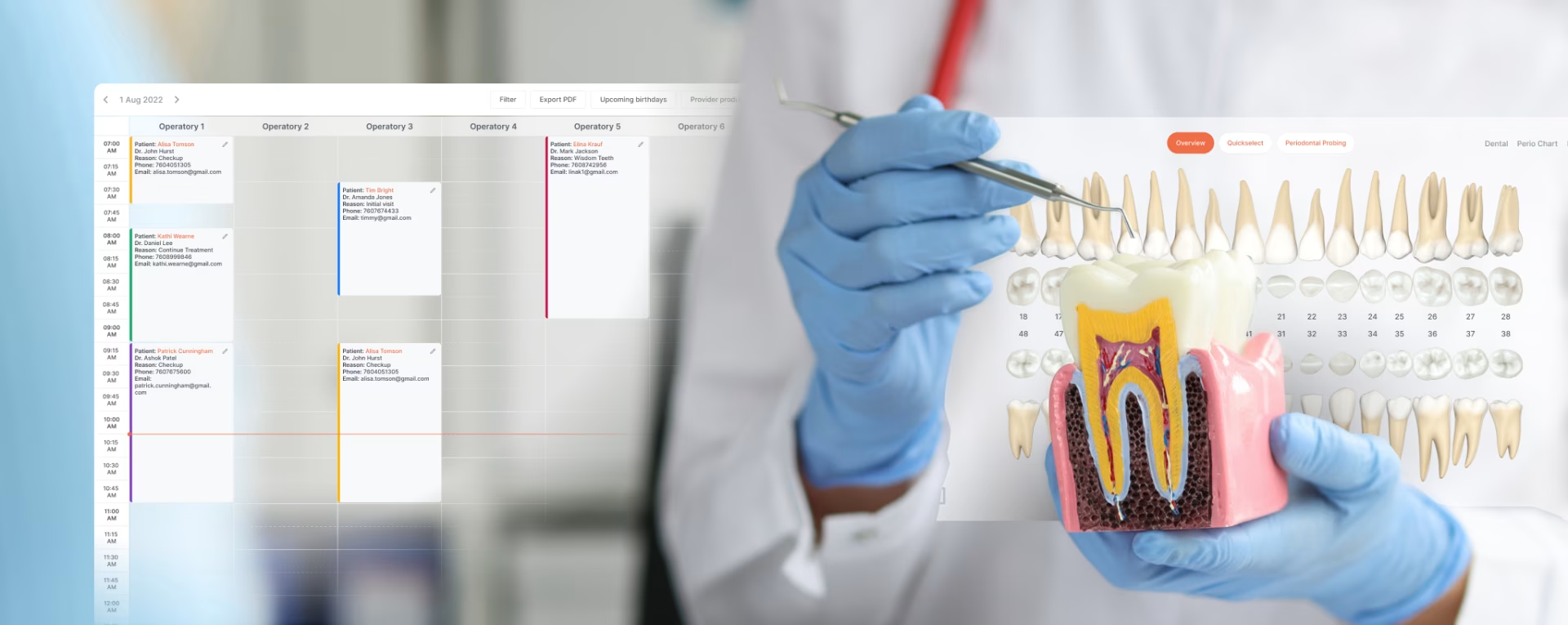
Clinical systems, patient-facing apps, and practice management software built under HIPAA, with HL7 and FHIR where records move between systems. Fuselab's healthcare work spans radiology queues, health monitoring, and dental practice software.
AI Product Development
Interfaces for AI-assisted products, where the engineering problem is state and failure handling rather than the model itself. What shows while a response streams, what happens when it returns something wrong, and how a user corrects it.
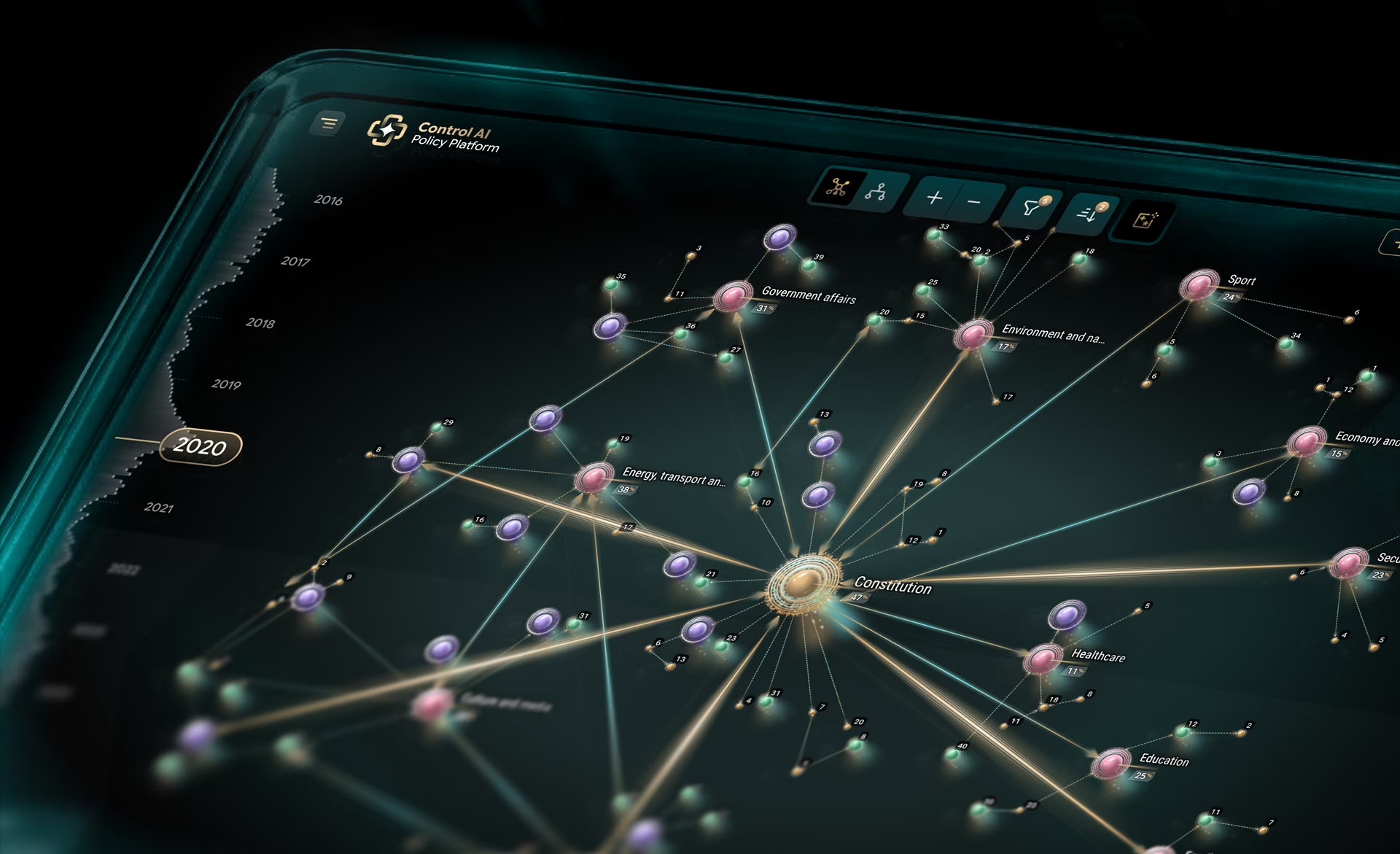
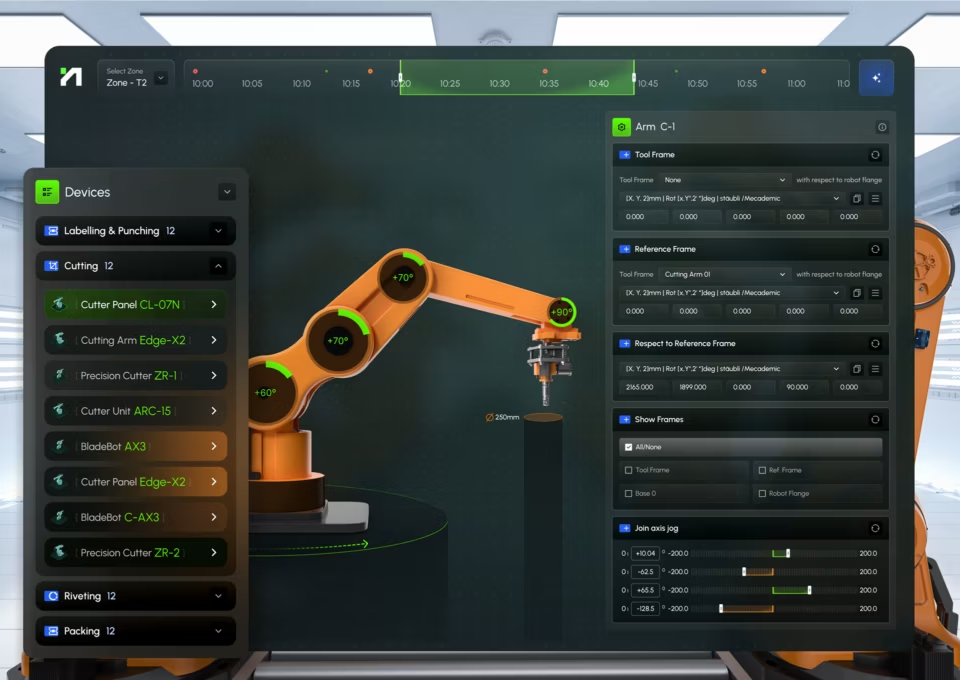
Our Work Examples
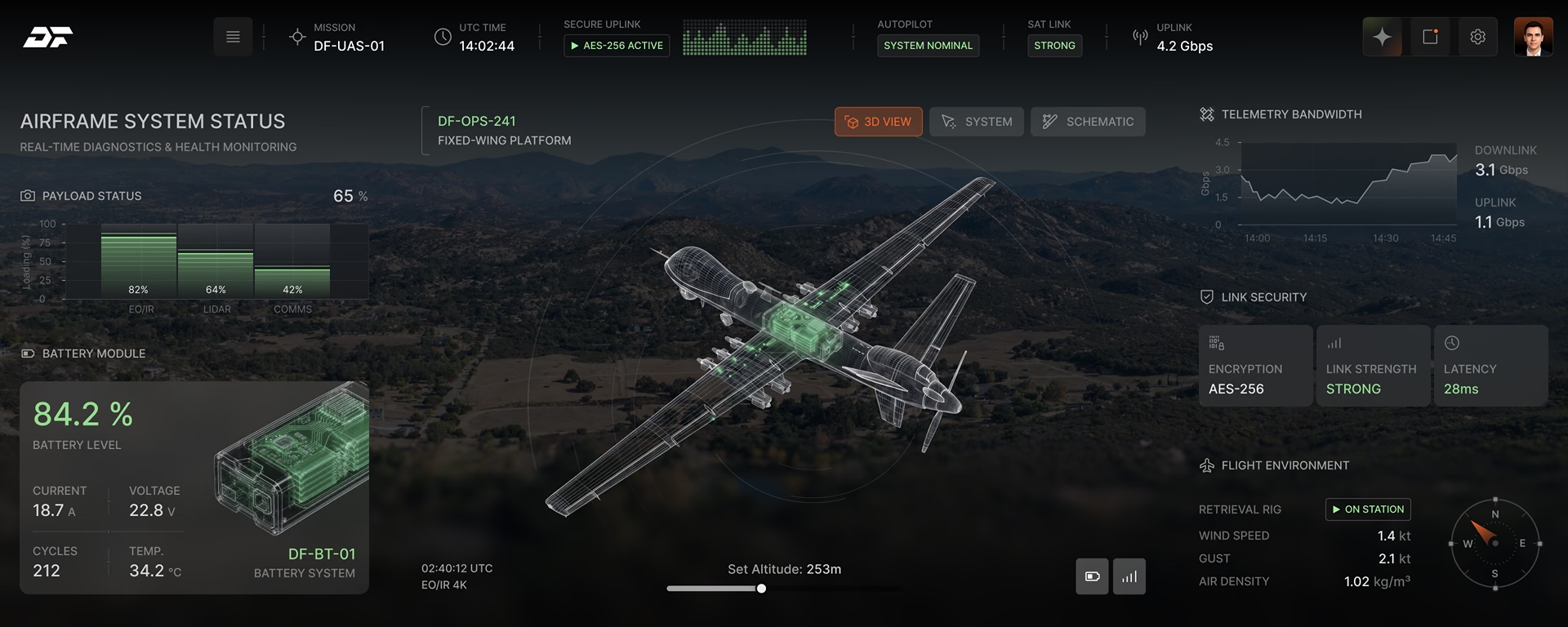






Design And Build Under One Team
Most builds lose their time in the gap between the people who specified the product and the people implementing it. Fuselab runs both sides of that line, so the gap is not there to fall into.
Split that work across two vendors and every question becomes a change request, and every delay has two possible owners. Fuselab’s digital product design practice writes the specifications its own engineers build from, so the answer comes back the same week.

Where The Engineering Gets Hard
Four problems come up again and again in data-heavy products. Each one is where a build either holds up under real load, or quietly stops being usable at about month six.
Real-Time Data
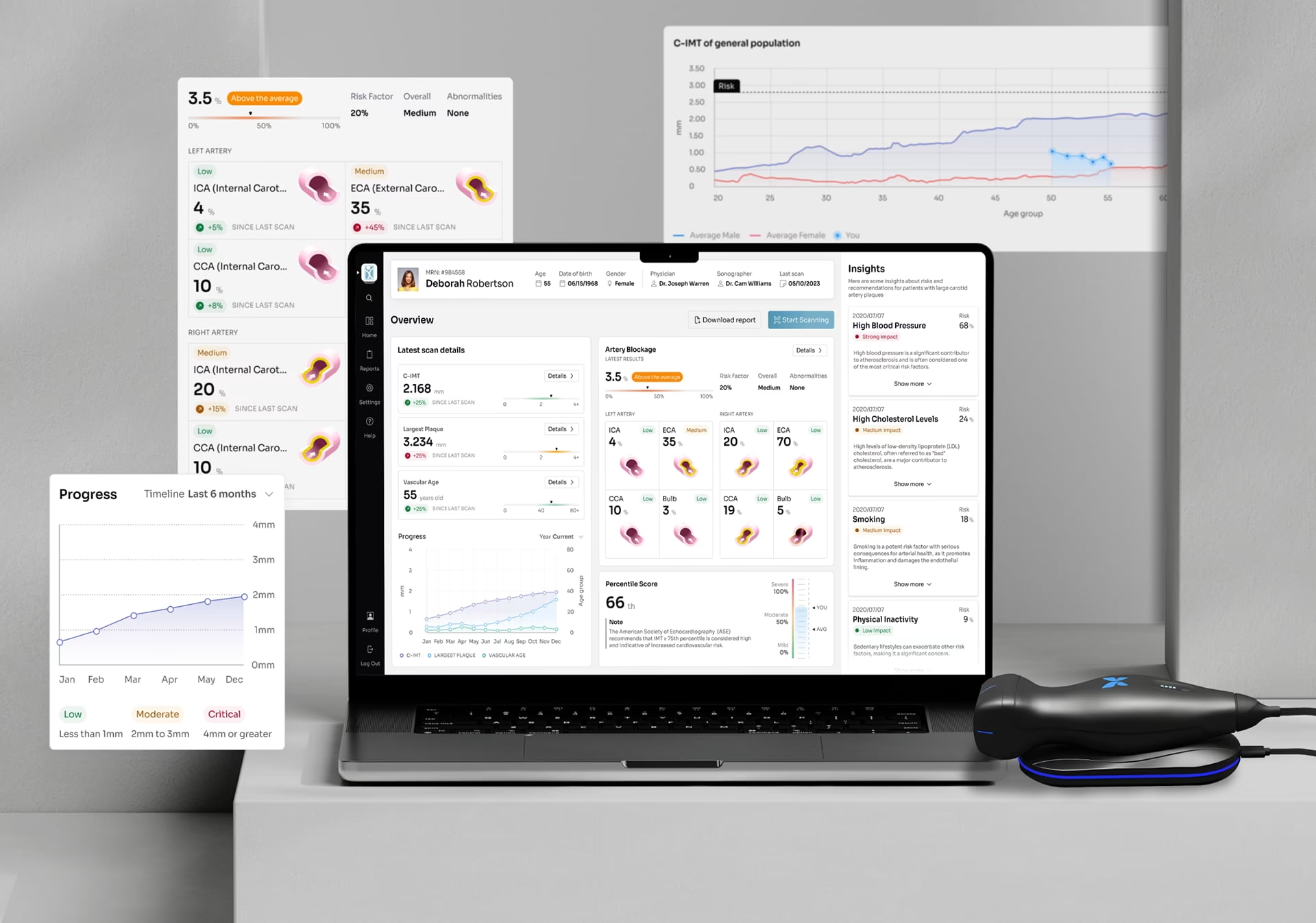
Telemetry arriving faster than a screen can redraw, in a product where a wrong number has consequences. On the Vasolabs artery scan platform, thermal and mechanical safety indices update live while an operator is guided through the scan.
- Vasolabs · Interface design · Data visualization
Geospatial At Scale
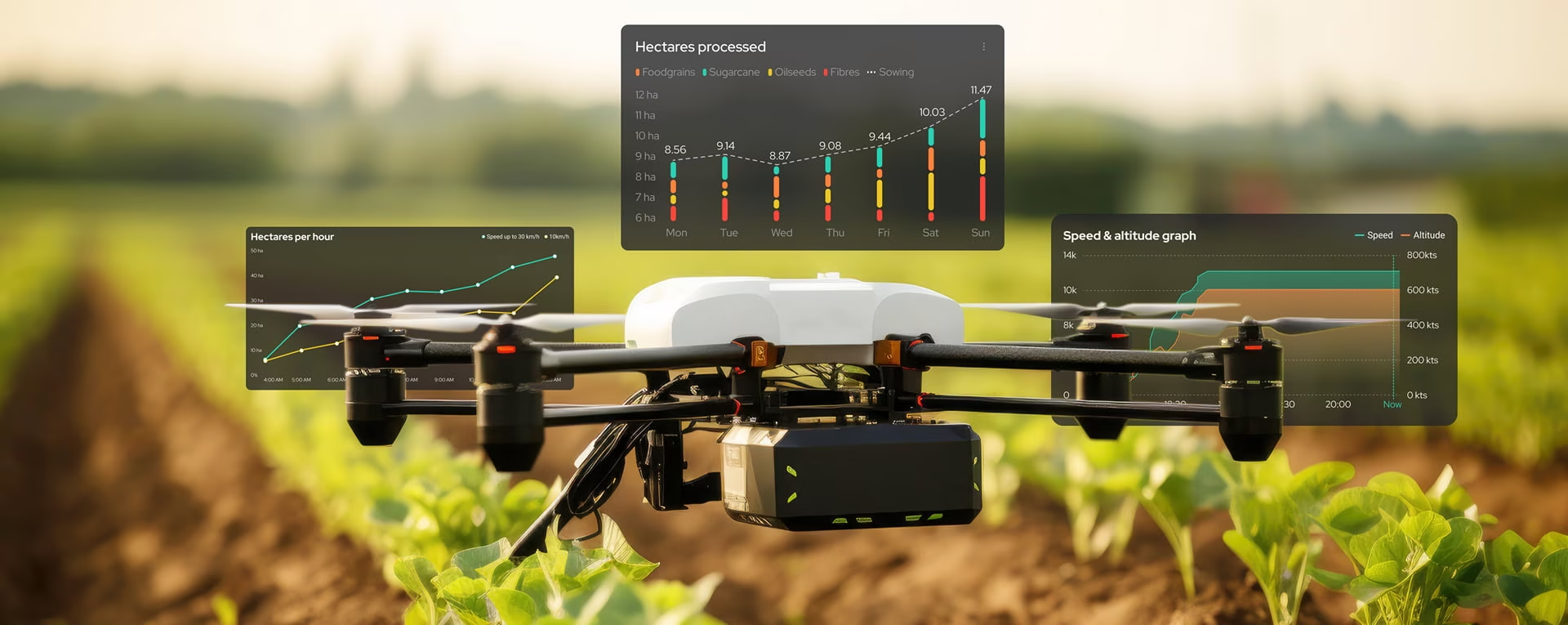
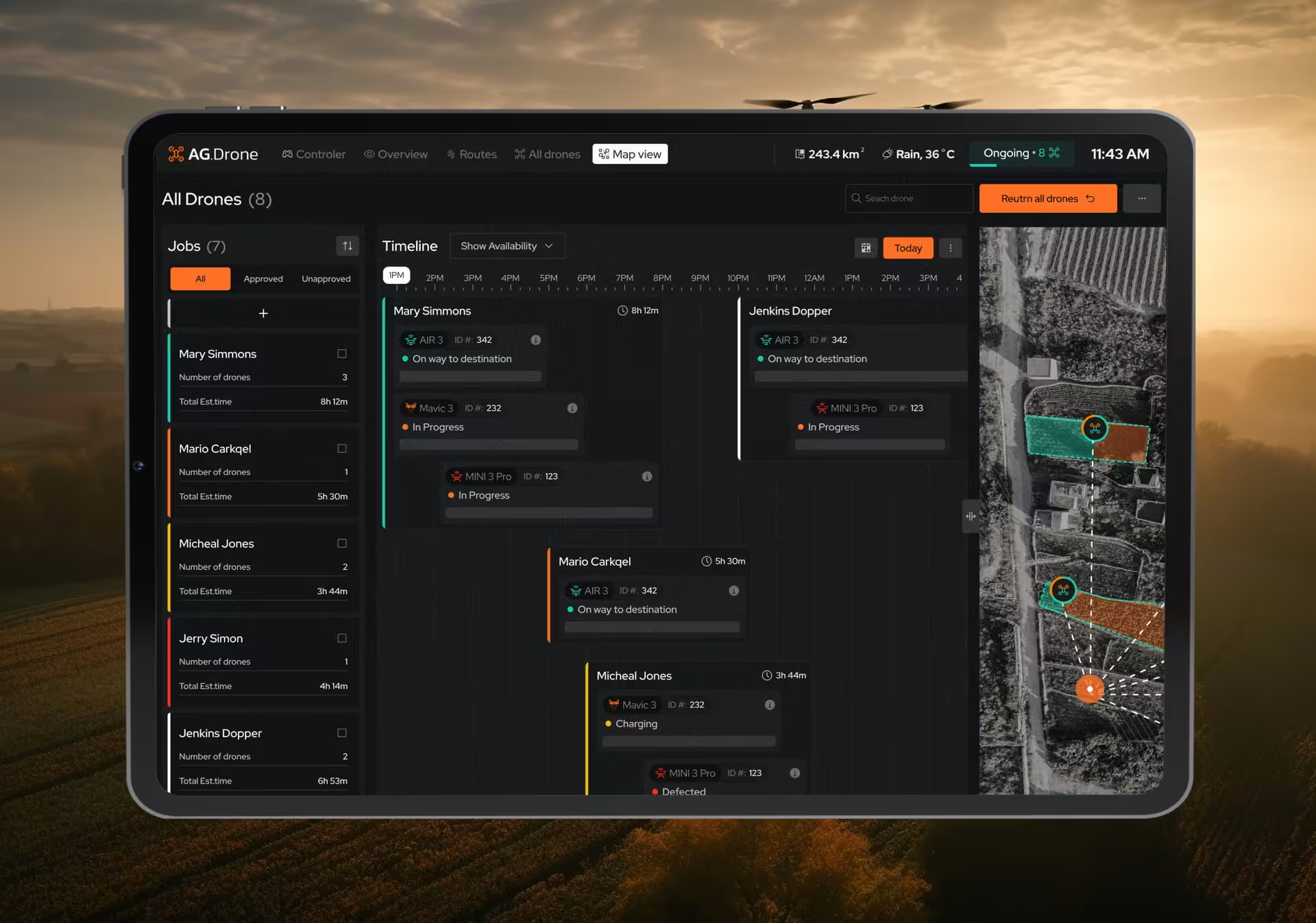
Thousands of moving objects, live position, and historical routes on one map that still answers a filter without stalling. AG.Drone puts flight operations, route management, and fleet state into a single working view.
- AG.Drone · Dashboard design · Data visualization
Public Sector Scale
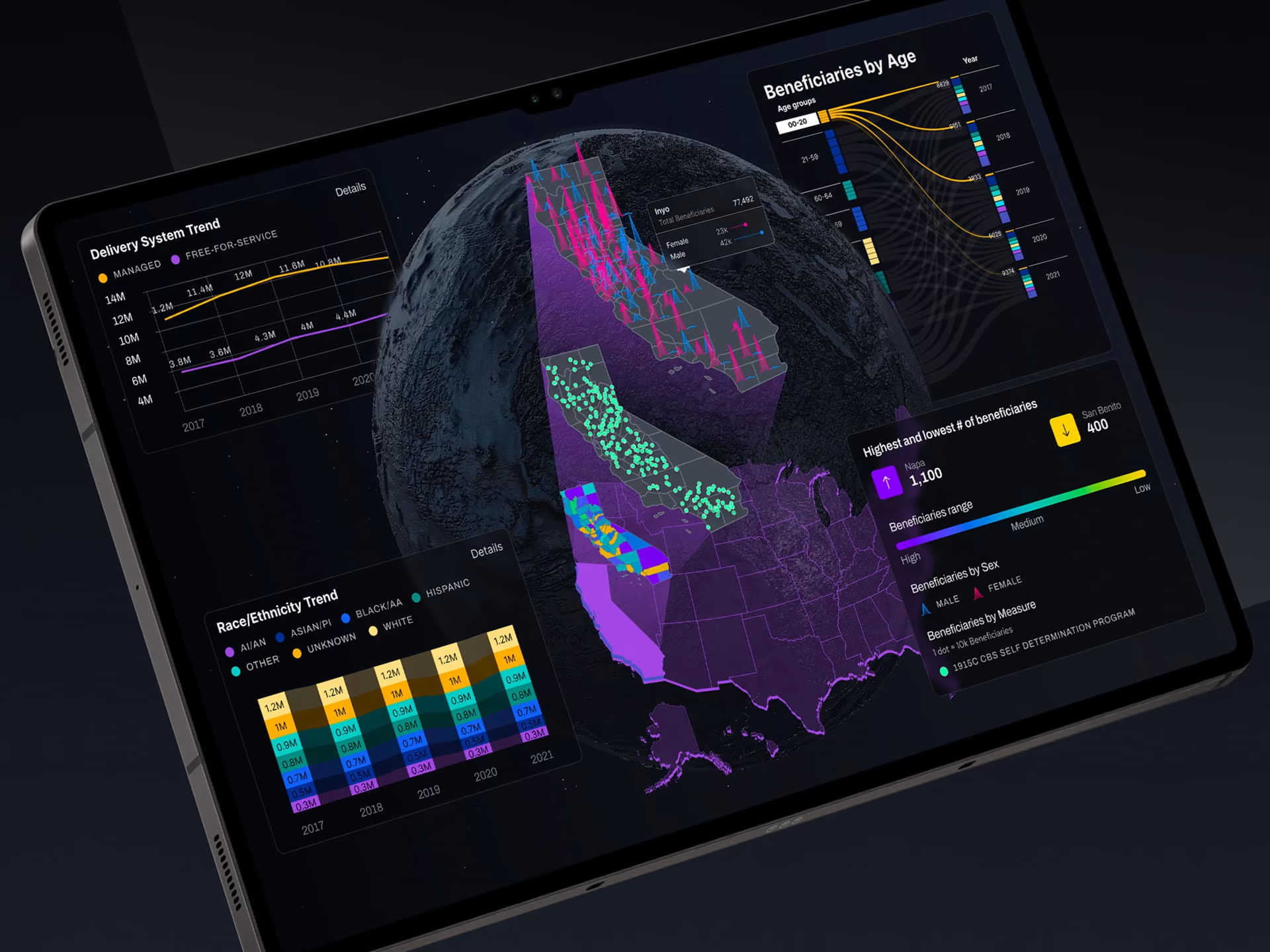
State-level health data, where the accessibility standard is a delivery condition rather than a preference. The DHCS work had to hold up under Section 508 review and stay readable at population scale.
- DHCS · Dashboard design · Data visualization
Operational Complexity
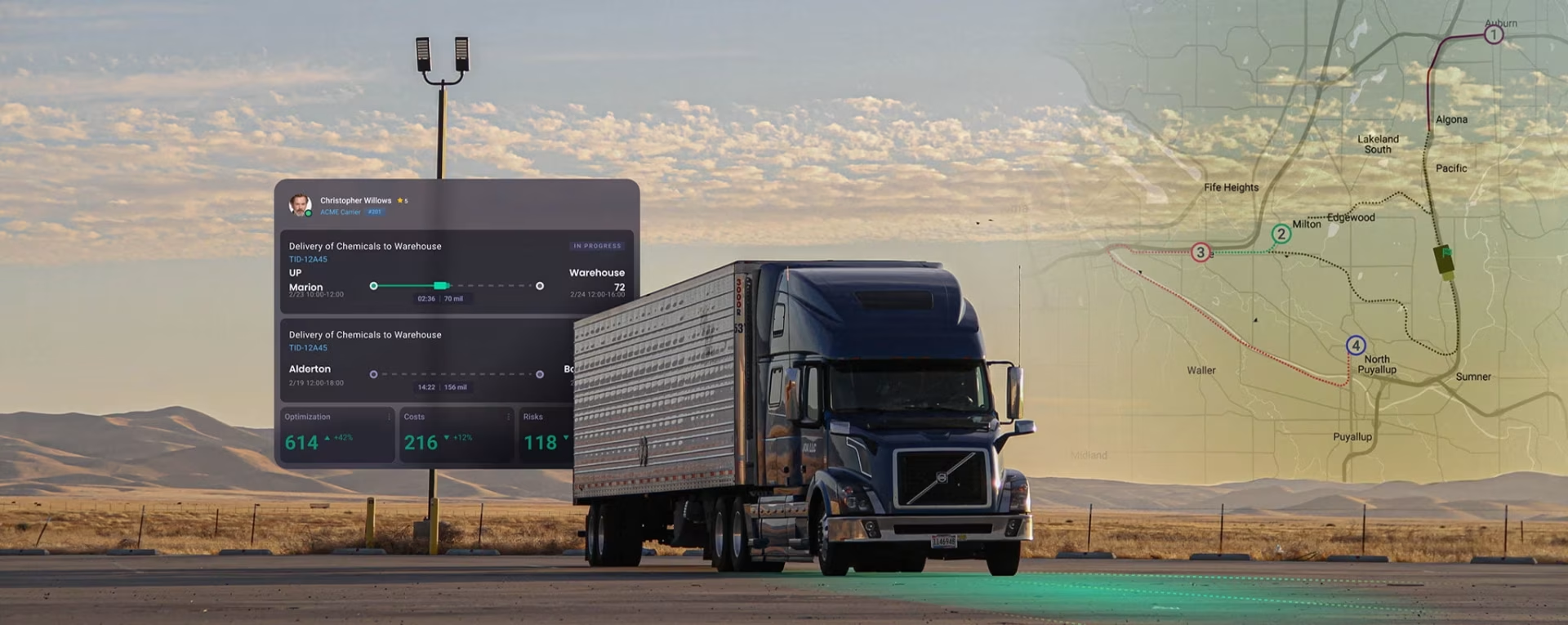
Supply chain and fleet products where one manager needs movement, exceptions, and drill-down on a single screen. Automatize consolidates live fleet monitoring and analysis without forcing a context switch.
- Automatize · Software design · Interface design

Industries We Build For
What these industries share is not a market but a constraint. The data is regulated, arriving live, or has to reconcile, and in each case being approximately right is not good enough.

Clinical software is built around interruption. A nurse leaves a record mid-entry and comes back nine minutes later, so state has to survive. Add HIPAA on patient data, HL7 and FHIR where systems exchange records, and Section 508 wherever a public agency is involved.

Public sector delivery has an acceptance gate most commercial work does not. Section 508 conformance is a condition of acceptance rather than a preference, procurement dates are fixed, and the product usually has to interoperate with something built two decades ago.

The hard part of an AI product is rarely the model. It is what the interface does while a response streams, how it signals confidence, and how someone corrects an answer that is wrong without losing their place or their trust in the next one.

Fleet and supply chain products live or die on latency. Live position, historical routes, and exception handling compete for the same screen, and the exception is what the user opened the product for. Connectivity in the field is never as good as it is in the demo.

Financial software is judged on whether the numbers reconcile, not on how it feels. Every action needs an audit trail, retention rules govern what can be deleted, and the interface has to stay correct when a figure changes underneath a user who is mid-decision.

Travel products are distributed transactions wearing a consumer interface. Inventory, pricing, and availability sit in systems you do not control, and a booking has to stay correct while all three change underneath it.
Related Services and Solutions


Frequently Asked
Questions
The questions that come up in most build conversations, answered directly. Where a question has a number attached, the number is here rather than behind a call.
What do digital product development services include?
Digital product development services cover architecture and technical planning, front-end and back-end build, integration, testing, deployment, and support after release. An engagement can start from a specification Fuselab wrote or one you have.
What is the difference between digital product development and digital product design?
Digital product design decides what to build and specifies it. Digital product development builds it: architecture, code, integration, testing, and deployment. Fuselab runs both, so a project can begin at either point without a vendor handoff.
Which technologies and platforms do you build on?
Fuselab builds on [front-end], [back-end], and deploys to [cloud]. The stack is chosen against the systems you already run, not a house preference. Where your current platform beats a rebuild, we will say so before quoting.
How long does a digital product development project take?
Digital product development projects typically run four to fifteen months. A focused build on an existing platform can finish inside four, while a multi-integration platform carrying regulated data usually runs past twelve.
How much does digital product development cost?
Digital product development at Fuselab is billed at $100 to $149 per hour, with a minimum project size of $25,000. Integration count, role and permission complexity, and compliance scope move the total far more than screen count does.
Who owns the code and intellectual property after delivery?
You own the code, the documentation, and the intellectual property. Fuselab hands over the full repository, environment configuration, and documentation at delivery. Nothing is licensed back and nothing afterwards depends on us.
What happens after launch?
After launch Fuselab stays on through a defined support period covering fixes, monitoring, and releases. Further feature work continues as a separate engagement, and support ends when your team can run the product alone.
Read Our Blog
Fuselab Creative Insights