Fuselab is an enterprise UI/UX design agency near Washington DC. We research how your users work, design the interface logic from those findings, and test it with real users before engineering builds anything.
Enterprise dashboards, clinical AI, and government platforms, used every day by analysts, clinicians, and program staff. These are products people have to use rather than products they choose, so the interface has to fit the job from the first day and pass the compliance review that follows without a redesign.
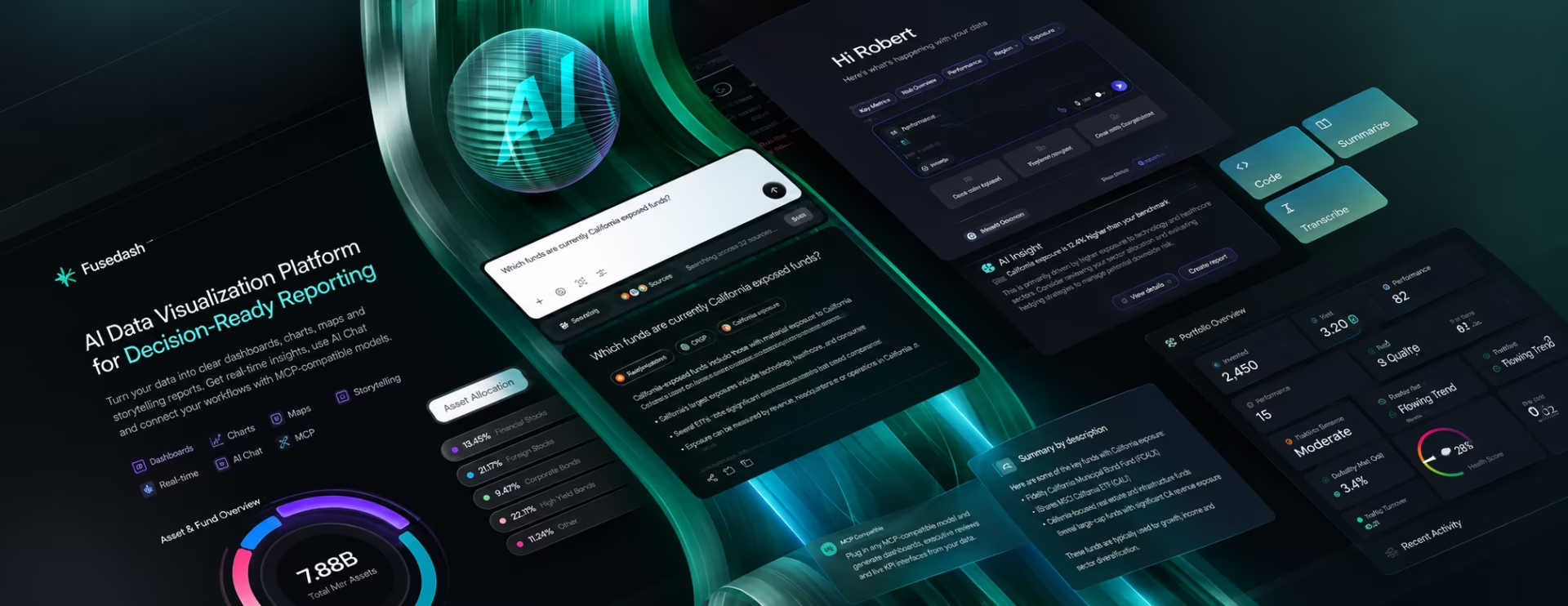
What a UI/UX design engagement includes
Four phases, one fixed price. Fuselab takes your product from the first user interview to annotated Figma files your engineers build from, with every screen tested by the people who will use it before handoff.
User research
Interviews, task analysis, and workflow maps that show how your users actually work and where they fail, in the first two to four weeks. You receive the synthesis in writing, a prioritized problem list, and the decisions to support.
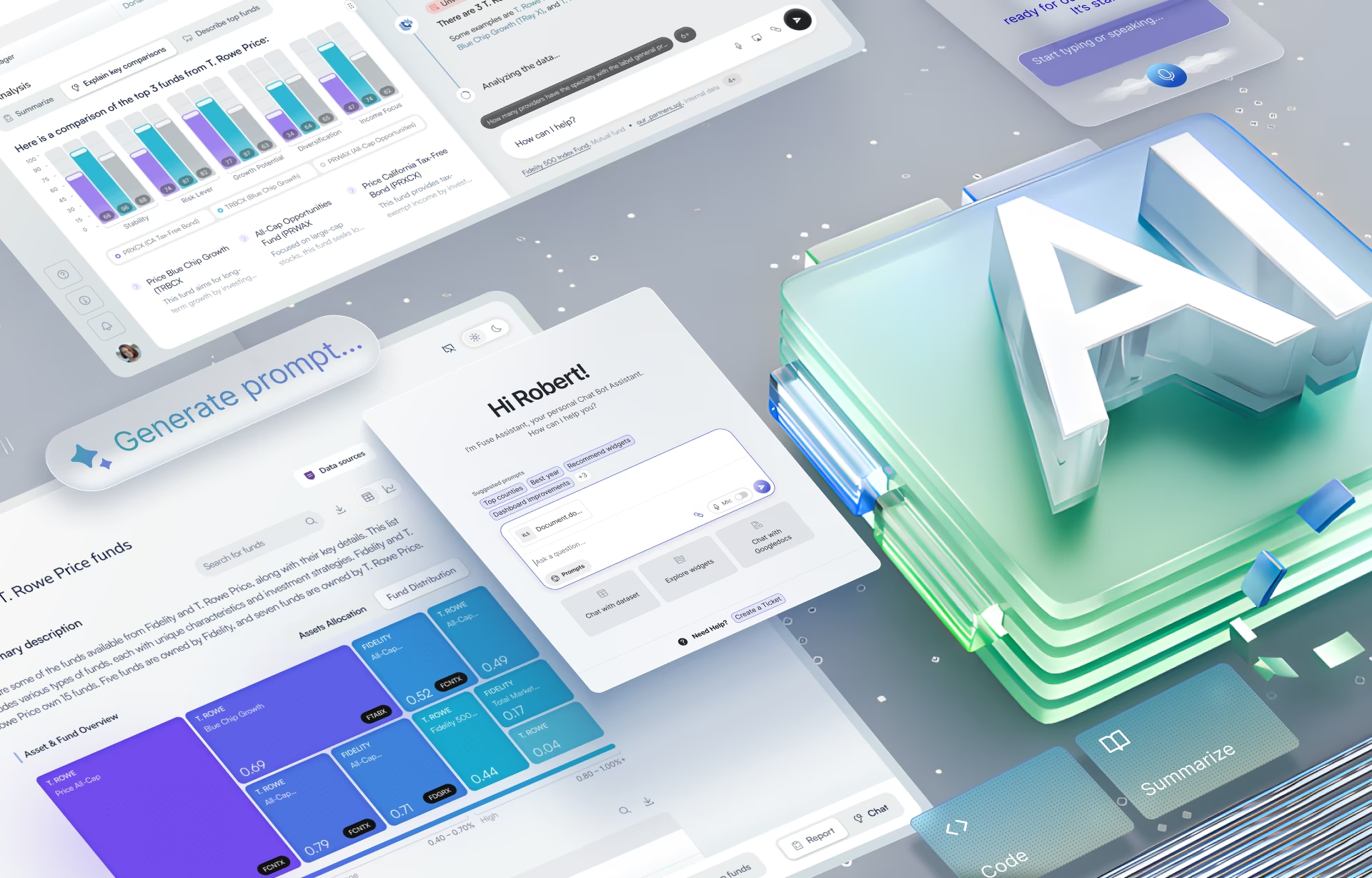
Interaction design
Interface logic, information hierarchy, and navigation built from the research, so no structural decision rests on taste or the loudest opinion. You receive user flows, the information architecture, and wireframes for every screen.
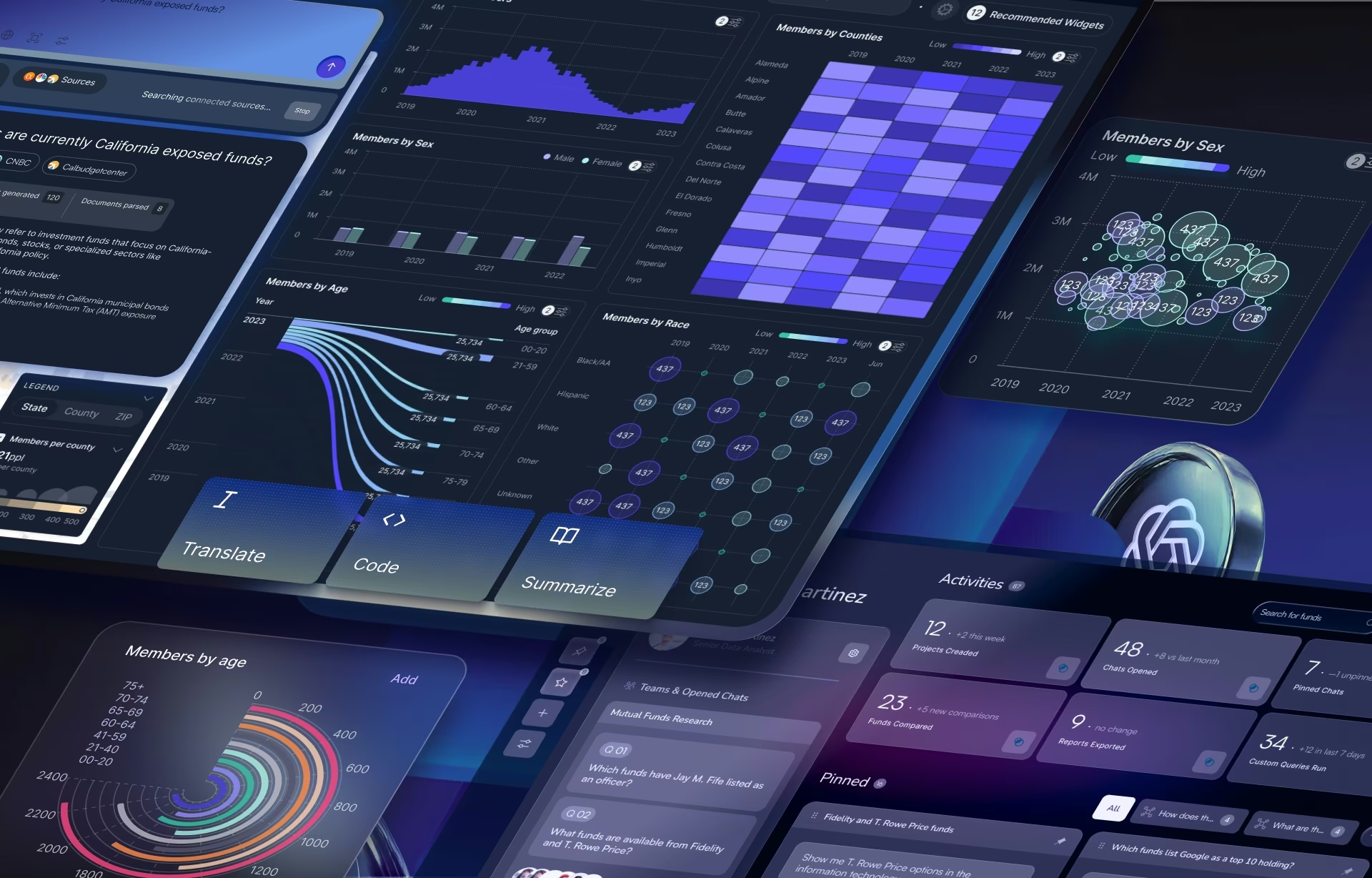
Usability testing
Clickable prototypes tested with your users under working conditions, in two-week cycles. You receive the tested prototype, findings from each session, and the change list that decides what the next cycle builds and what it drops.
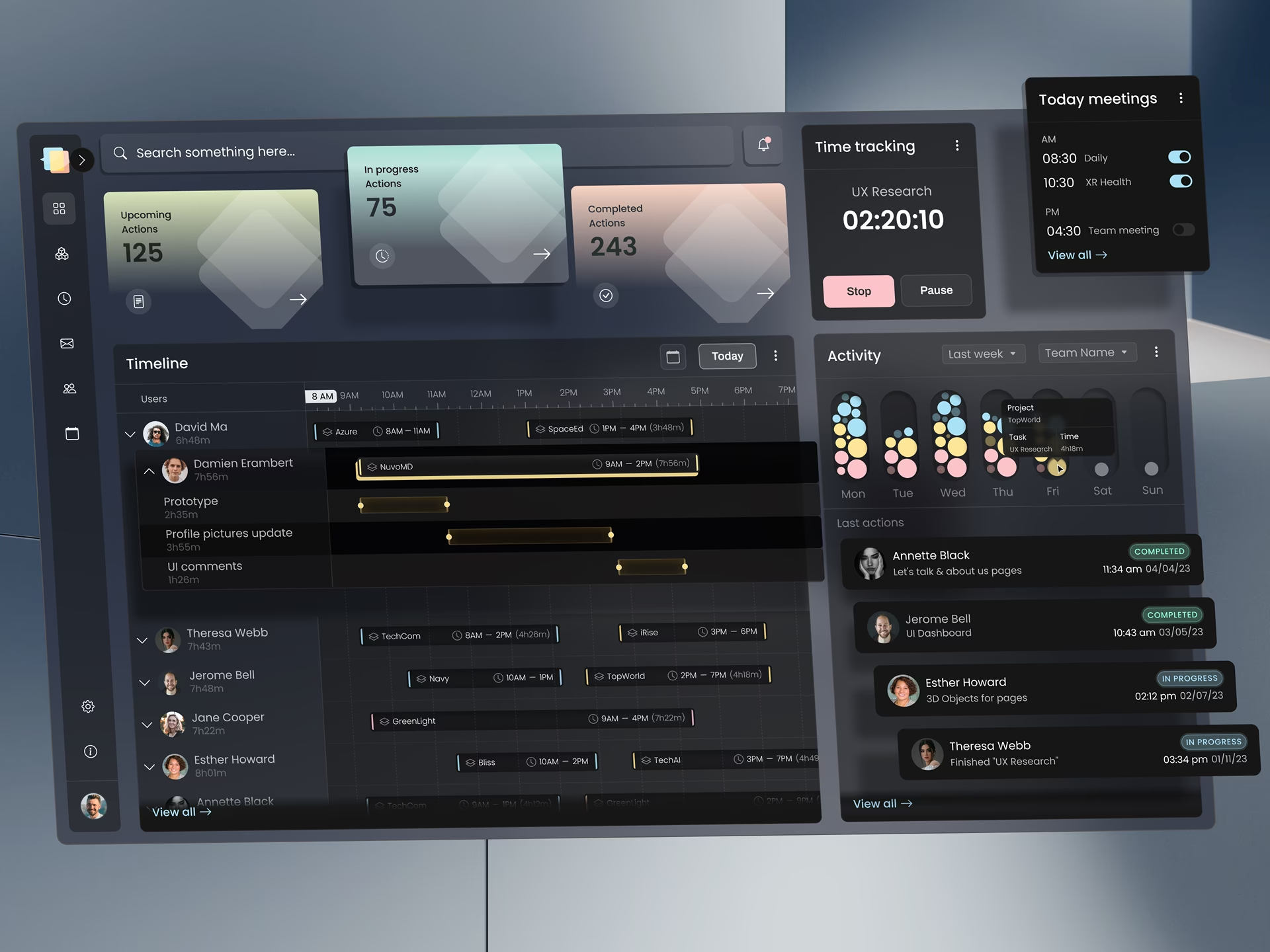
Design handoff
Annotated Figma files, a component library, and the reasoning behind each decision, walked through with your engineers so they build it once. You receive the files, the library, the written rationale, and a handoff session with your team.

Selected work
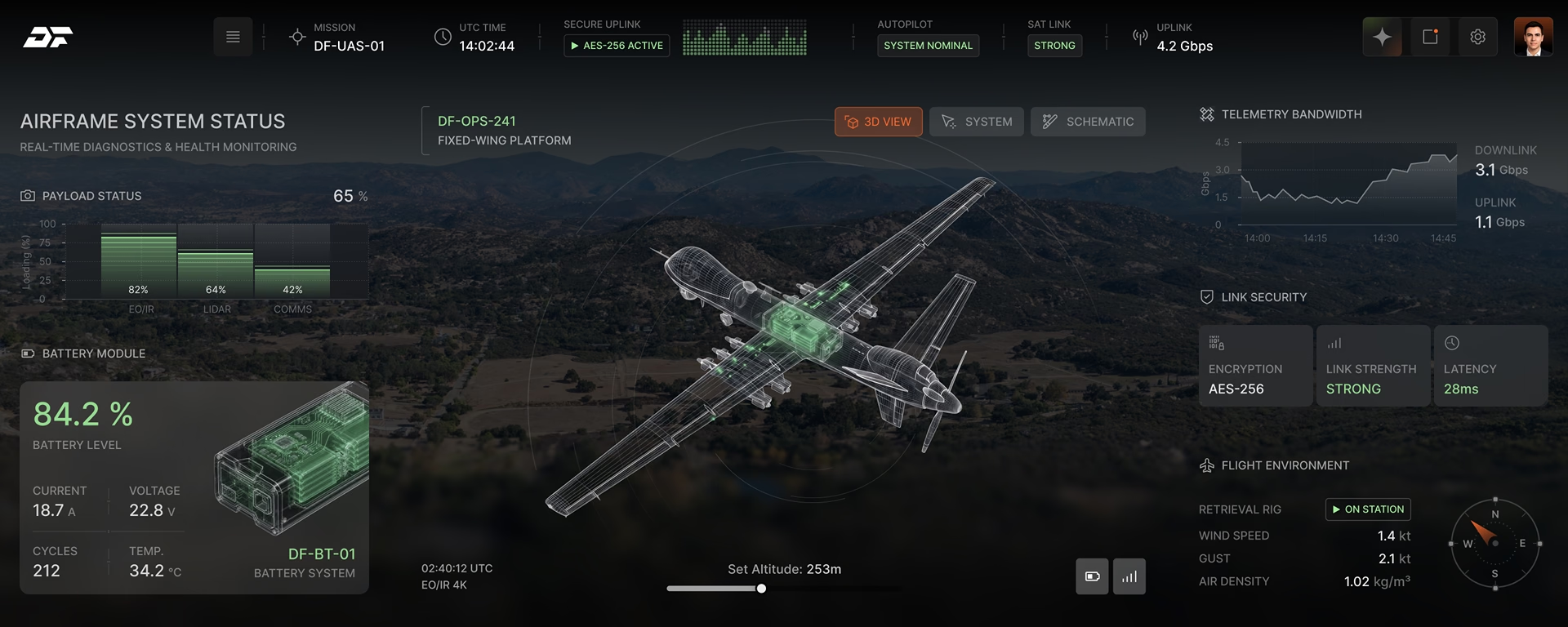
Healthcare, government, finance, industrial, and AI products, each one used every day by people who never got a manual.



Four decisions a generalist gets wrong
Every agency says yes when you ask about your industry. The difference shows in four decisions that look small in a wireframe review and decide, after launch, whether anyone uses the product.
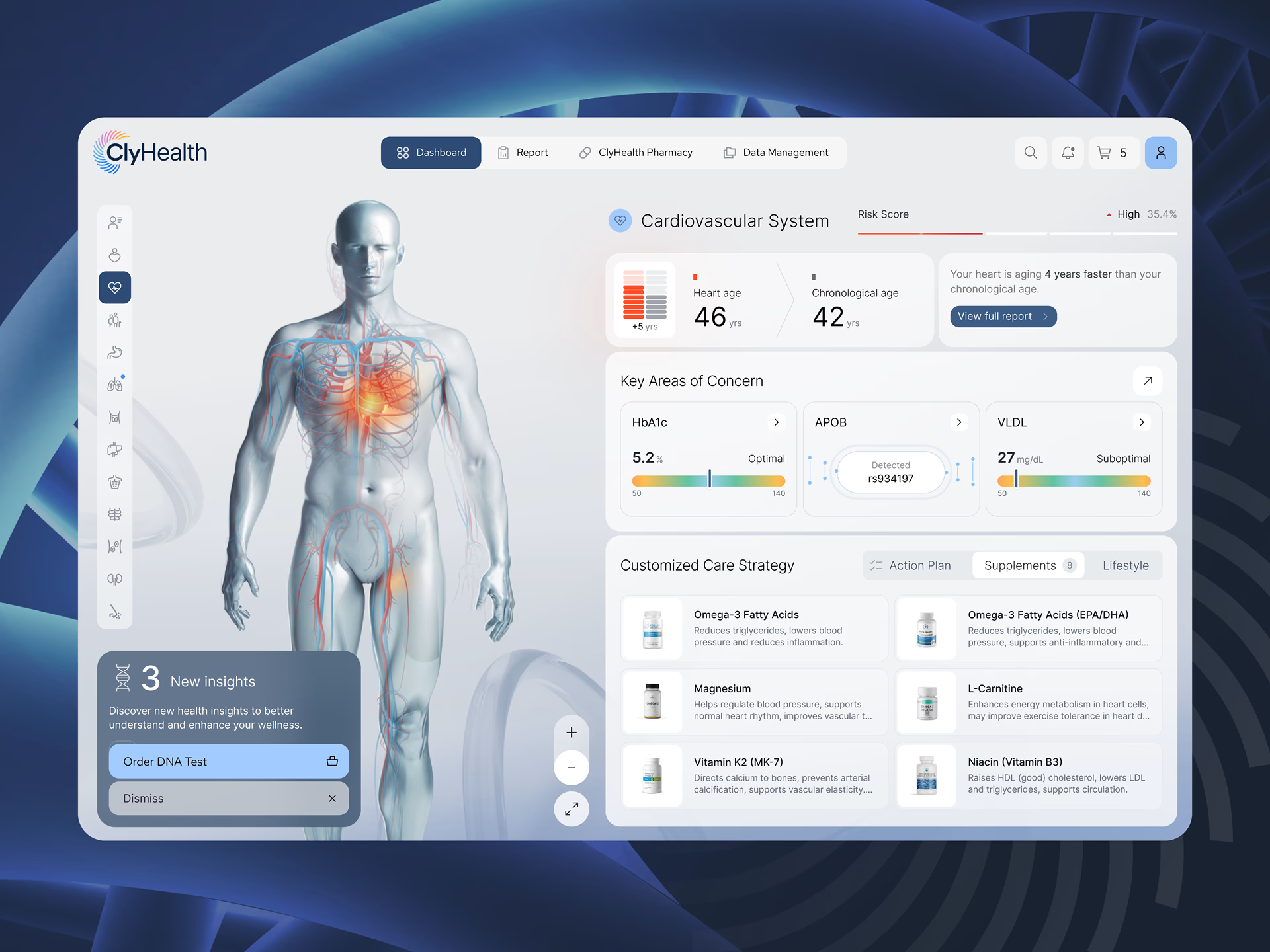
In clinical tools, the approval step before a recommended action is not friction. It is the checkpoint. A generalist removes it to shorten the flow. A specialist shows the reasoning and waits for the clinician to approve.
- Reasoning visible. Each recommendation shows the inputs behind it.
- Human-in-the-loop. A provider approves before anything reaches a patient.
- No silent automation. Irreversible actions are never one click.
.



WHEN TO HIRE
When a company needs a UI/UX design agency
Most companies hire too early or too late. The four conditions below are when the engagement pays for itself. A tool with under ten users, a pre-traction MVP, or a marketing website does not need it: direct feedback, founder conversations, or a web studio will do the job better and for less.

Regulated market product
Healthcare, government, or fintech products with compliance rules your team has not shipped under before.

Usability-driven churn
Users leave or avoid features because of the interface, and nobody can say which screen is losing them.

No validated design system
Engineering is building without documented standards, and every release adds inconsistencies that compound.

Section 508 requirement
A government contract requires accessibility documentation your team has not produced before.

WHAT WE NEED FROM YOU
What a UI/UX design agency needs from you
Most stalled engagements stall on the client side, over one of the four inputs below. Fuselab asks for all four before discovery starts, so the first two weeks go to your users and your data.

From clients
What it's like to work with us
Reviews from the product, security, and design leaders Fuselab has shipped with.
"We were impressed with Fuselab Creative's work product and deliverables."


"The team delivered a balanced, effective solution and got to the customer's objective with a high degree of efficacy."

"If you need to re-think your product and need some truly unique design talent , Fuselab Creative design team is your answer."

"Their dedication and positive attitude made every project enjoyable and successful!"

Related Services and Solutions


Frequently Asked
Questions
How much does a UI/UX design agency cost?
Fuselab projects start at $25,000, and most land between $50,000 and $200,000. What moves the number is research depth, how many user roles need their own flows, and whether a design system is in scope. Hourly work runs $100 to $149.
How long does a UI/UX design project take?
Three to six months from the first user interview to a handoff package your engineers can build from. Discovery on its own takes two to four weeks, and design then runs in two-week cycles until the screens in scope have passed testing.
Can we start with discovery only?
Yes. Discovery is a fixed two-to-four-week engagement on its own. You get the research findings, a prioritized problem list, and a written scope with every screen named, and you can take that scope to Fuselab or to your own team.
What happens if scope changes mid-engagement?
Scope is written down and approved at the end of discovery, so a change is never a surprise on an invoice. It becomes a written revision you approve, with its effect on timeline and price stated, before any further work continues.
Can Fuselab work with our engineering team and tools?
Fuselab designs in Figma, hands off annotated files and component specifications, and stays available to your engineers during implementation to review builds against the design. The team works from the Washington DC area on US Eastern time.
What is the difference between a UI/UX design agency and a creative agency?
A creative agency is hired to make something look right and feel on-brand. A UI/UX design agency is hired to make software work for the people who use it every day, and to prove it with real users before engineering builds a line of it.
What questions should I ask before hiring a UI/UX design agency?
Ask for a project in your industry, the research finding that changed its direction, and where that finding shows in the final interface. Then ask how decisions are documented for engineering and what happens when a developer reads a component differently.
Contact Our UX Experts
Fill out the form!
Read Our Blogs
Guides for teams building enterprise and regulated-industry products