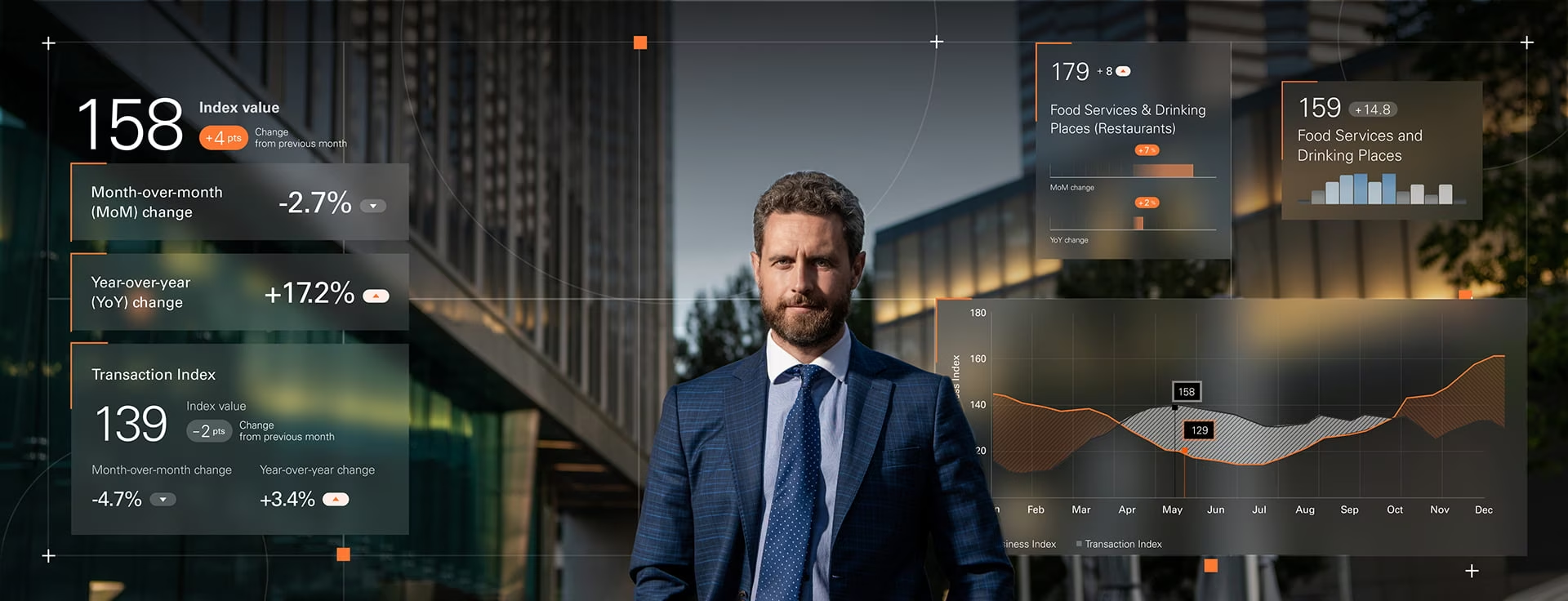
ClyHealth Healthcare Dashboard Design and AI Interface
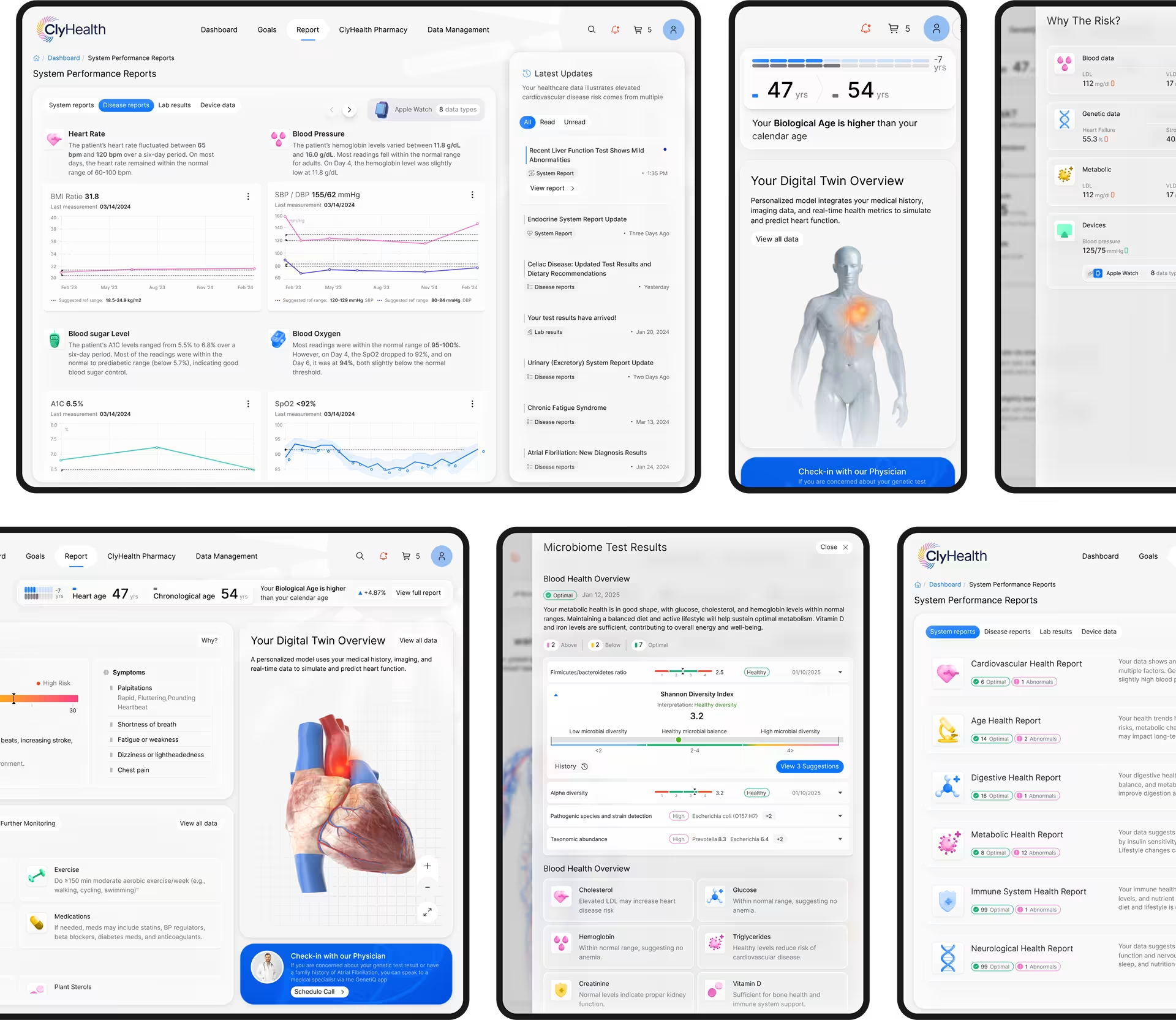
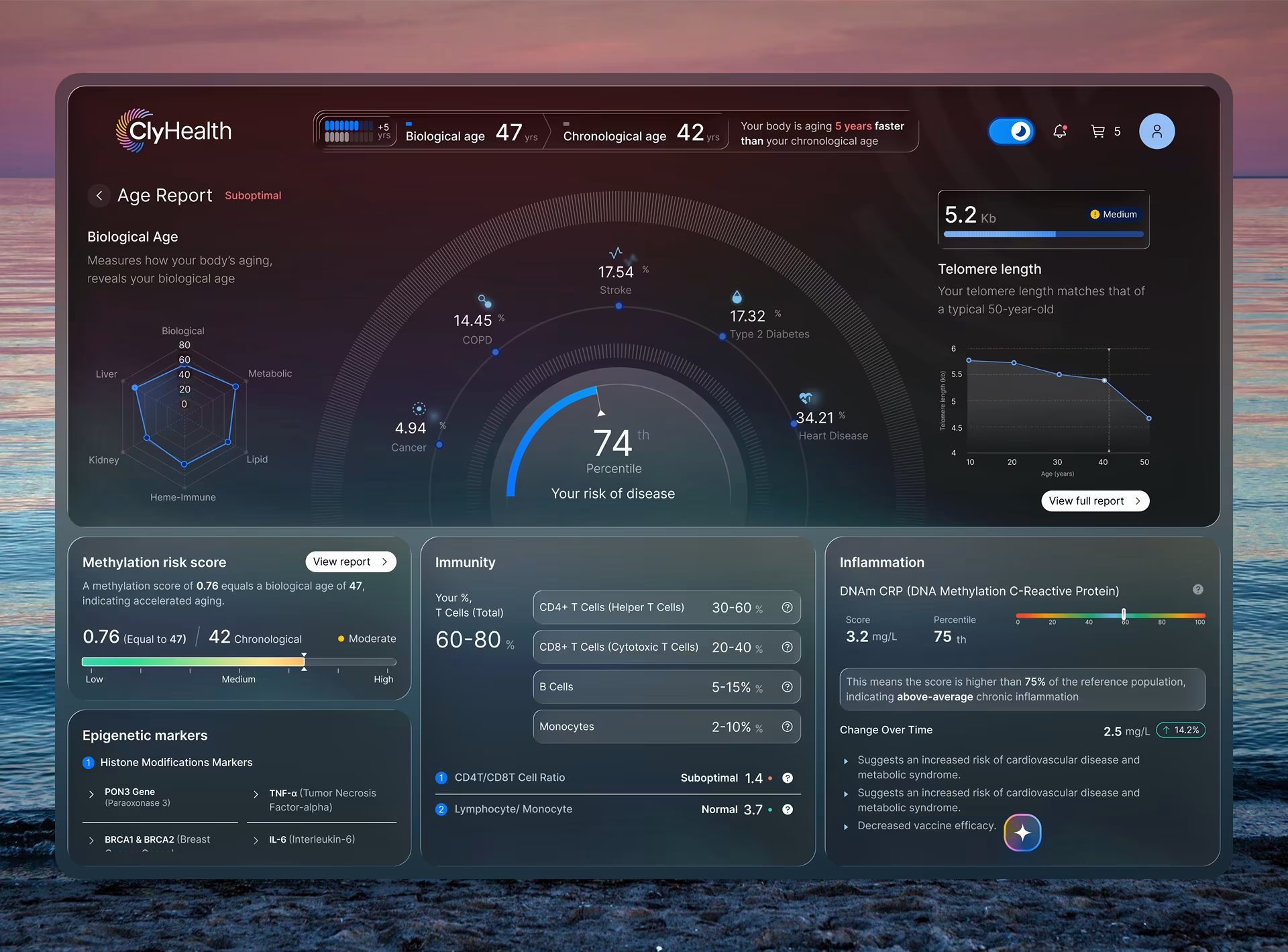
Fuselab designed the complete UI/UX and custom API layer for ClyHealth, an AI-powered personalized healthcare platform built as the entry interface for an existing electronic health records system.

Proprietary Digital Twin Built by Fuselab
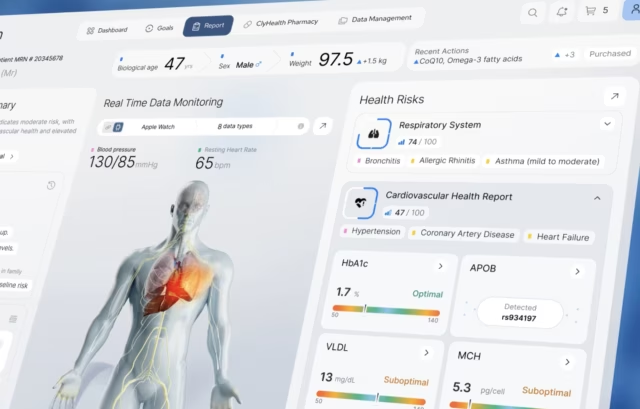
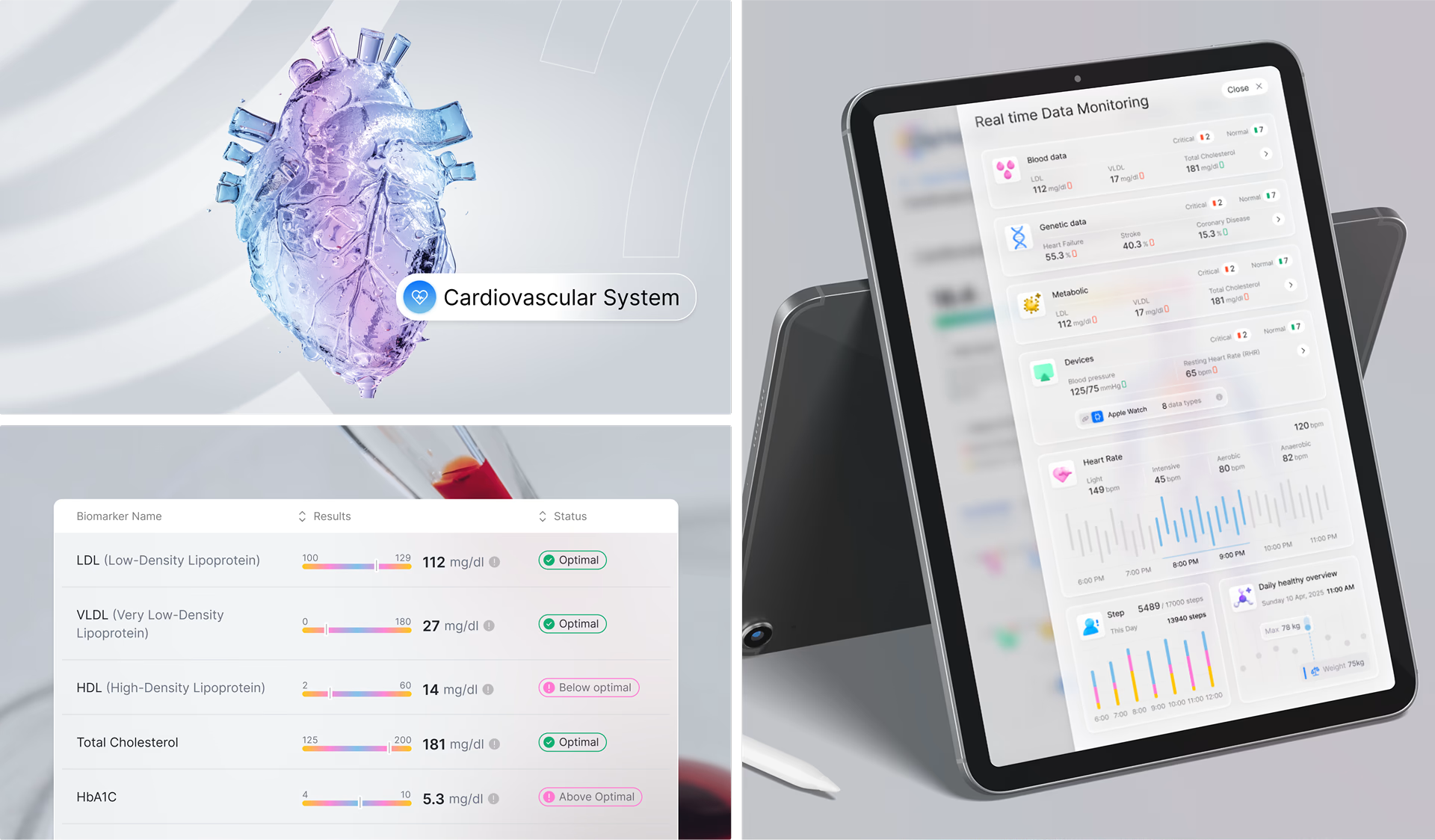
The human body digital twin in ClyHealth is a proprietary design element created entirely by Fuselab. It includes a full skeleton, nervous system, brain, spinal cord, and all human organs. When a patient uploads their genetic data, lab results, and health reports, the twin builds a virtual representation of their current physiological state. Providers use it to visualize how a patient's body systems are performing and to model how interventions might affect future outcomes. This is not a licensed visualization tool. It was designed and built by Fuselab specifically for this product.
Ten Years of Clinical Product Experience and Why HIPAA Compliance Starts at the Design Level
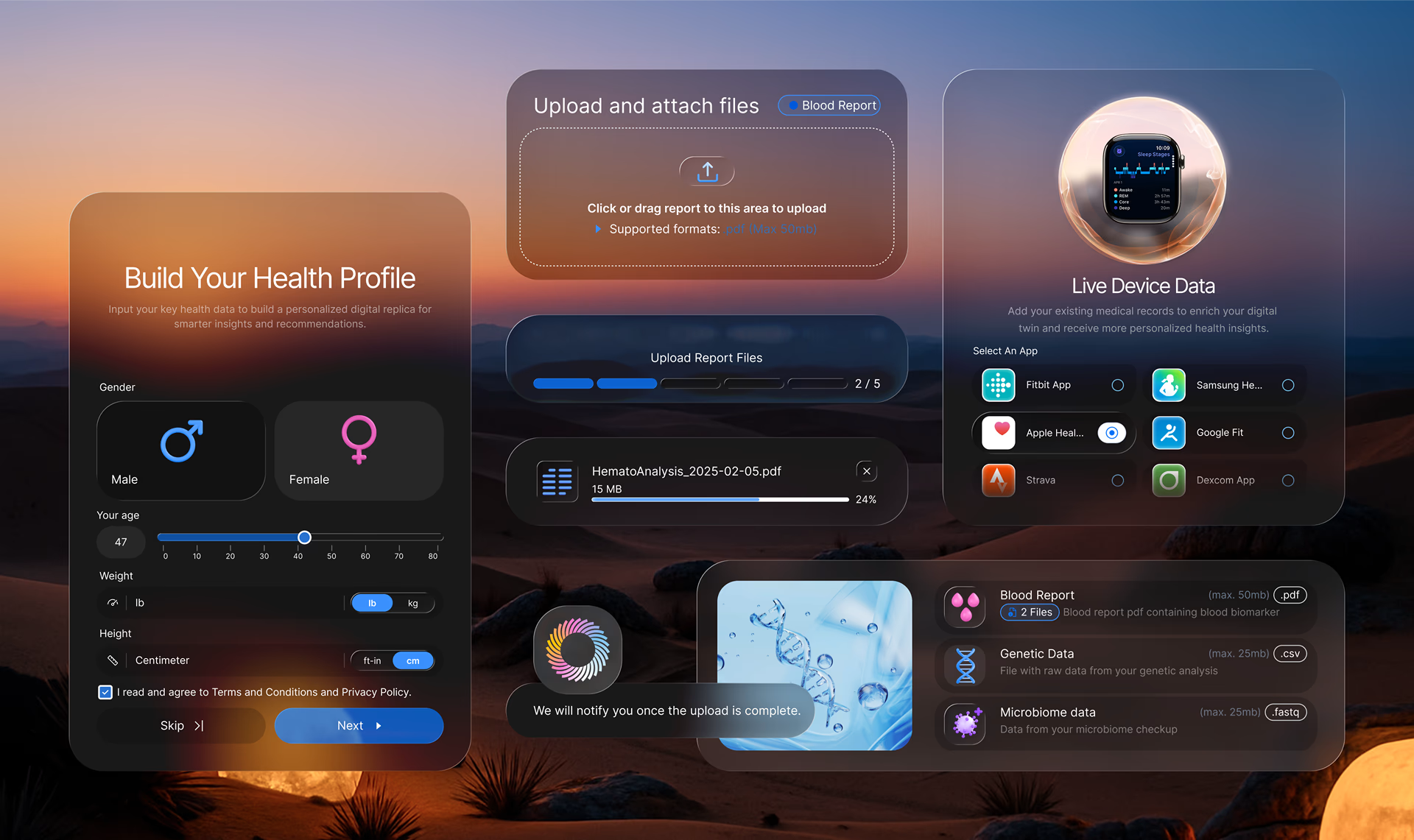
ClyHealth handles sensitive genomic and clinical data, which means every design and development decision had a compliance dimension. Fuselab built custom APIs specifically to handle HIPAA-compliant data importing and use. Data display rules, session management, and permission structures were designed around regulatory requirements before any visual design began. Fuselab has ten years of experience building interfaces that interact directly with patient data and EHR environments. That foundation is why compliance constraints were understood at the start rather than discovered mid-project.
EHR Integration and Designing the Entry Layer for an Existing Clinical System
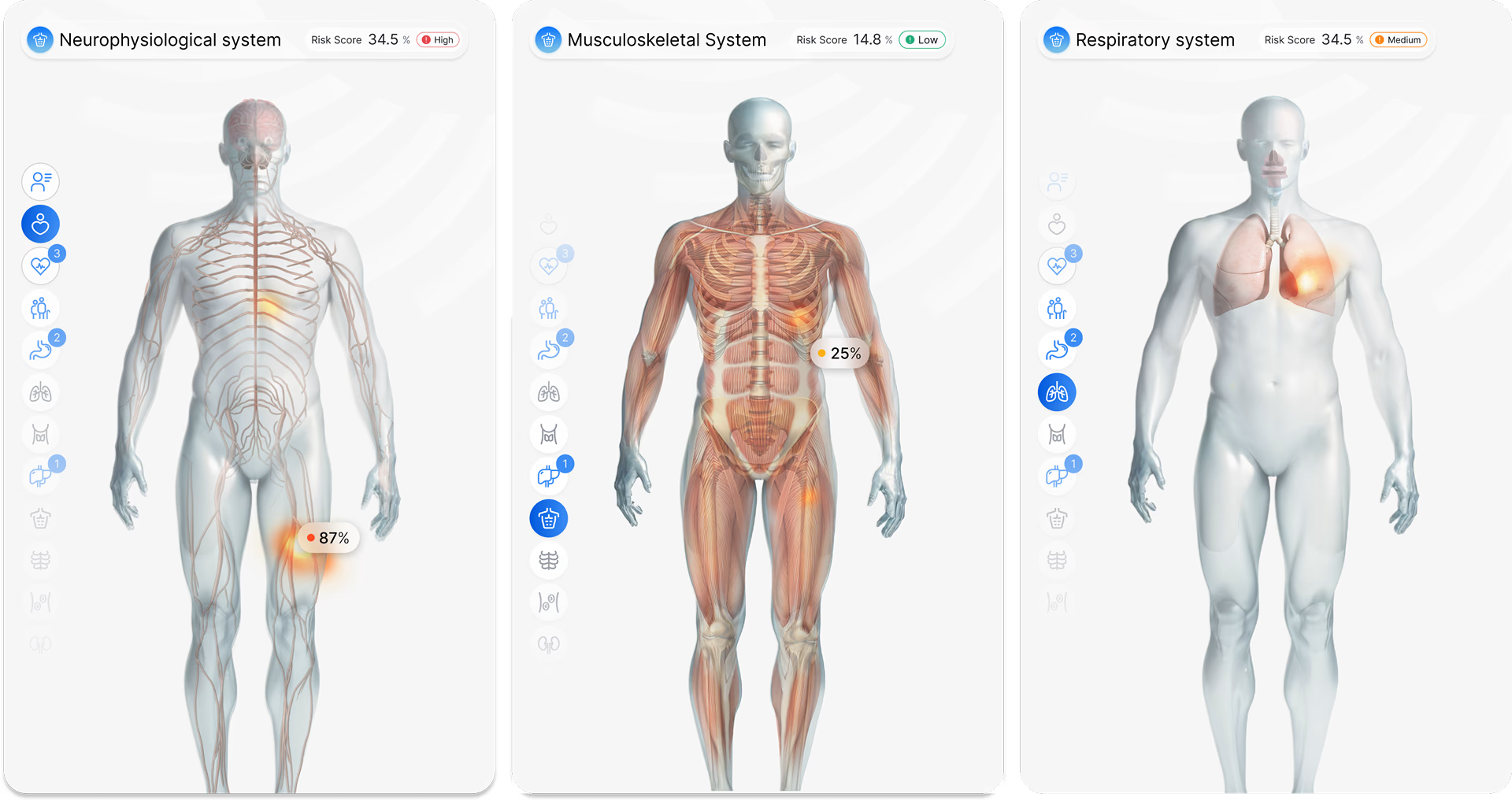
ClyHealth was not built as a standalone product. It was designed as the top-level entry point for an existing electronic health records system. This means the interface had to present data drawn from an existing clinical infrastructure consistently and reliably, regardless of the source format or latency. The design challenge was making a complex, multi-source EHR feel like a single coherent product to the clinical user. Fuselab's work on healthcare UX design for EHR environments informed every decision in this layer.
Supplement Personalization With AI Formulation and Visible Clinical Reasoning
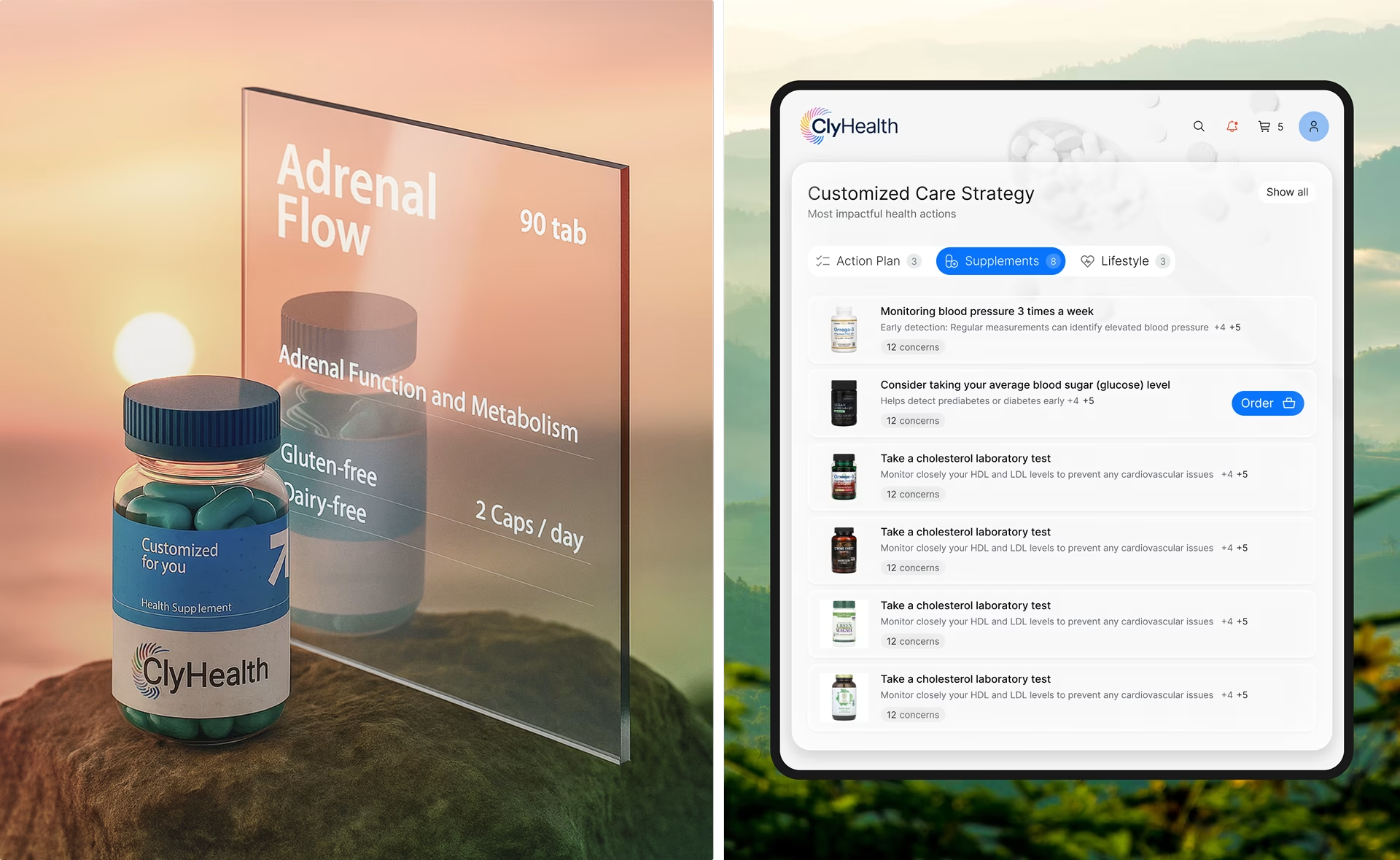
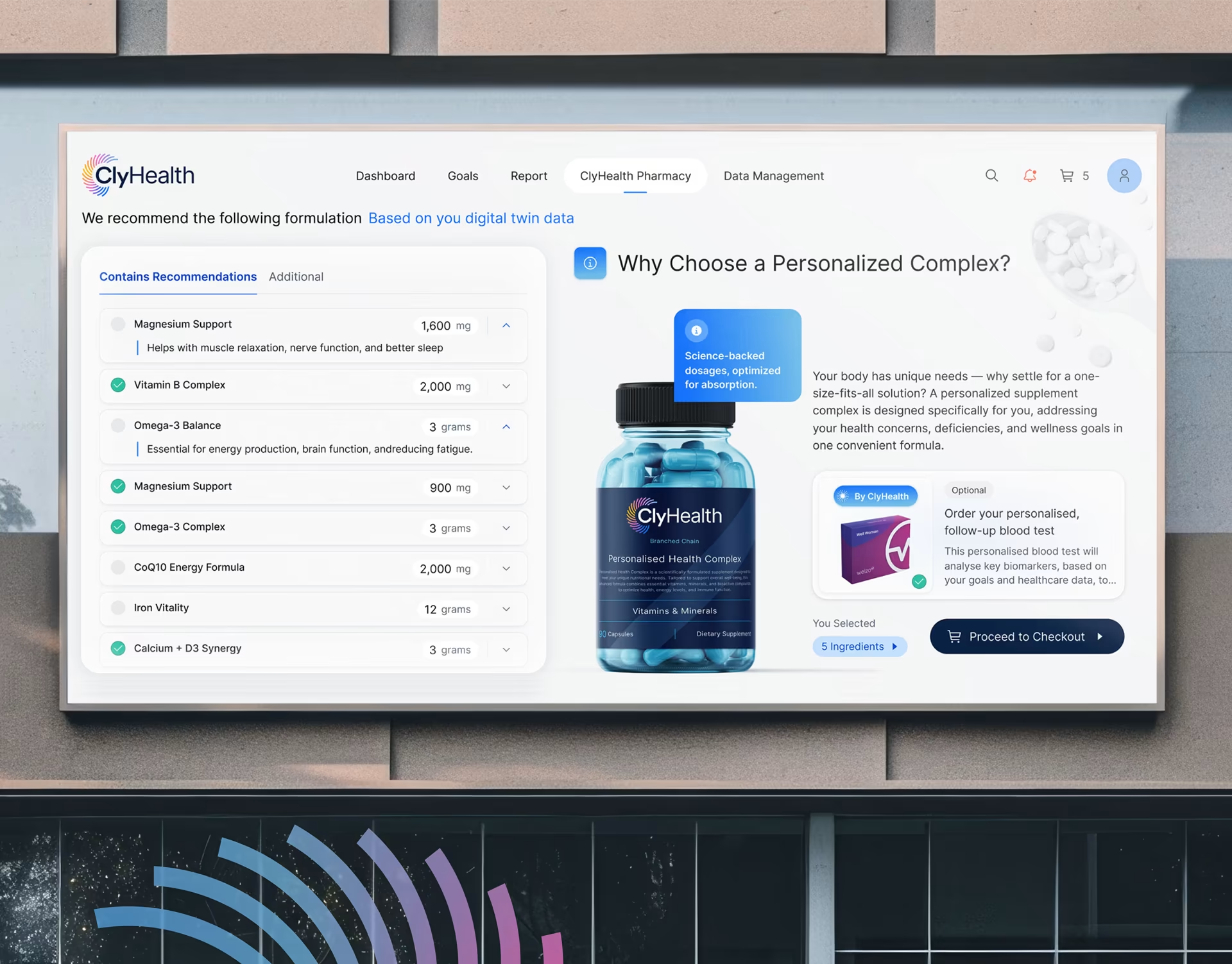
The supplement personalization module synthesizes biomarker analysis, lifestyle data, lab results, and health goals to generate a daily supplement protocol specific to the individual. The interface presents the formulation reasoning alongside the recommendation so providers can review the logic before approving it for a patient. In clinical environments, a recommendation without visible justification does not get followed. Showing the reasoning is a design decision, not a feature.
Progress Tracking as Clinical Evidence That Treatment Is Working
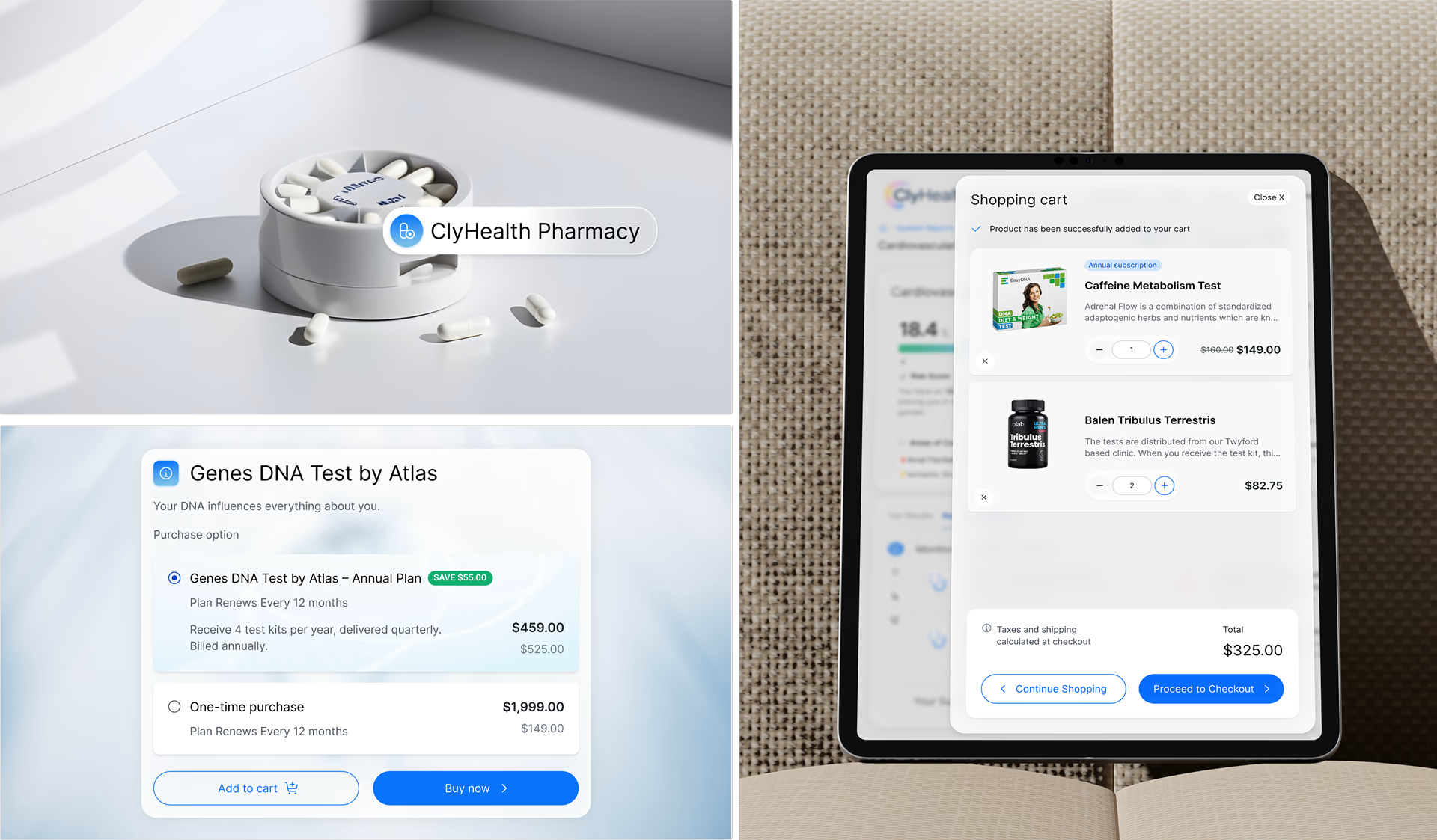
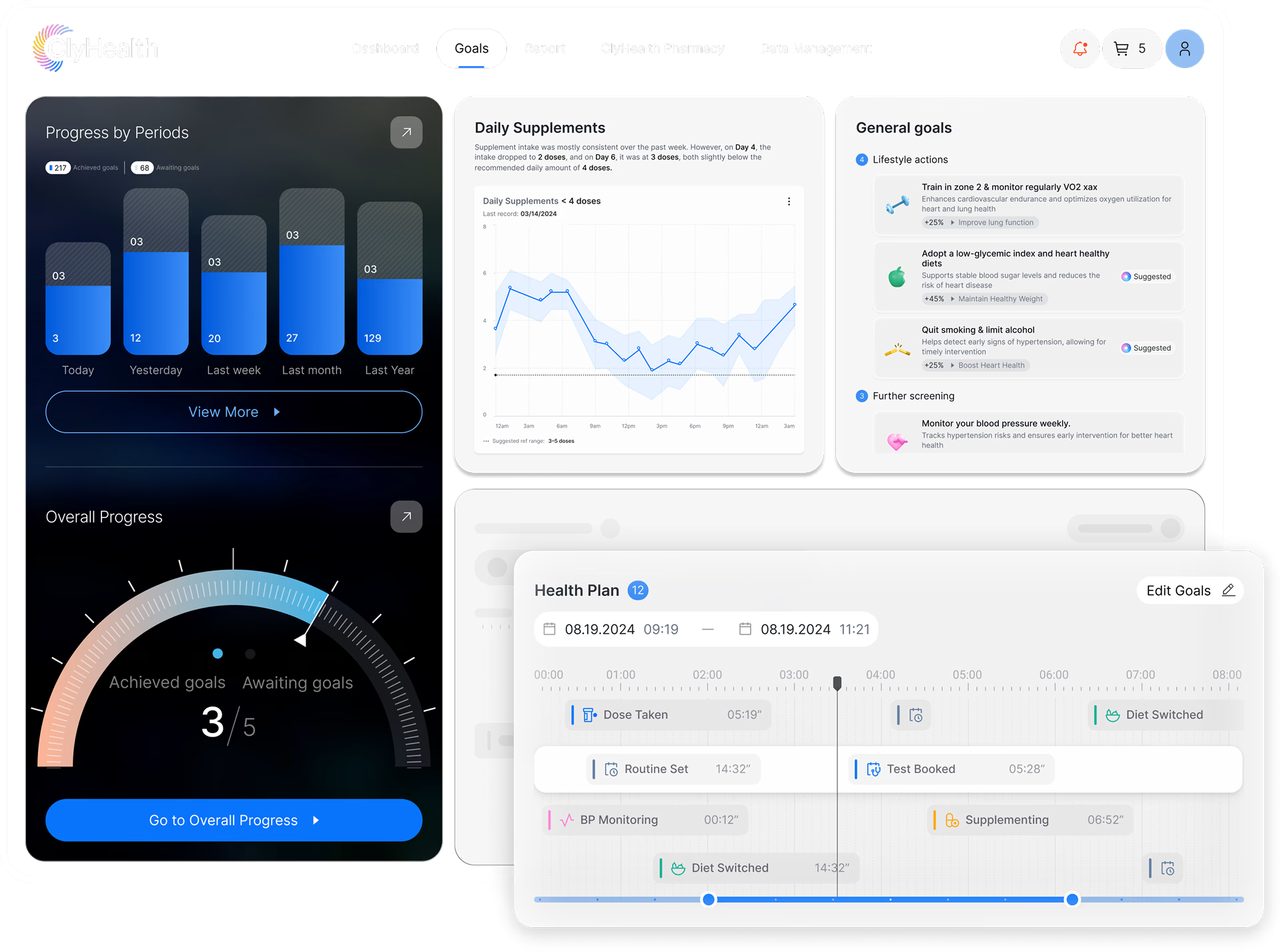
The progress tracking interface gives patients a clear view of their health goals, current status, and next actions in their care plan. In personalized medicine, visible progress is not just motivational. Showing a patient how their biomarkers have changed since starting a supplement protocol is clinical evidence that the treatment is working. The design makes this evidence readable without requiring the patient to interpret raw data themselves.
ClyHealth Healthcare Dashboard Design: Common Questions
What is healthcare dashboard design?
Healthcare dashboard design is the practice of creating data interfaces for clinical environments where the speed and accuracy of information directly affects patient care. It differs from standard dashboard design because the users are healthcare providers working under time pressure, the data involves protected patient information subject to HIPAA regulations, and the consequences of a misread metric can have real clinical impact. A healthcare dashboard must surface the most critical patient indicators instantly on first load, allow providers to drill into detail with a single action, and present data from multiple sources as a single coherent view. ClyHealth is built entirely around this principle, using a three-level layered architecture that shows critical data first and keeps complexity accessible without forcing providers to navigate to find it.
What is layered dashboard architecture and why does it matter for clinical interfaces?
Layered dashboard architecture is a structural approach where information is organized by priority rather than by data category, so the most critical content is visible immediately and deeper detail is accessible in one or two actions. In clinical environments this matters because providers cannot spend time searching for what they need. The first level shows critical patient indicators on load without any interaction. The second level holds clinical detail, genomic analysis, and supplement protocols, accessible in a single action. The third level contains full biomarker breakdowns and EHR history. No provider has to pass through all three layers unless the clinical situation requires it. This structure is what allowed ClyHealth’s product owner to describe the result as a strategic pivot away from a formerly data-saturated, functionally time-consuming system.
What is a digital twin in healthcare and how is it used in a clinical interface?
A digital twin in healthcare is a virtual representation of a patient’s body built from their actual health data, including genomic profiles, lab results, and clinical history. It allows providers and patients to visualize the patient’s current physiological state and understand how different interventions might affect future outcomes. The digital twin in ClyHealth is a proprietary design element created entirely by Fuselab. It includes a full skeleton, nervous system, brain, spinal cord, and all human organs. When a patient uploads their genetic data and lab results, the twin reflects their current health condition in a visual format that providers can use directly in a clinical conversation. This is not a licensed tool or a third-party component. It was designed and built by Fuselab specifically for this product.
How does HIPAA compliance affect the design and development of a healthcare product?
HIPAA compliance shapes healthcare product development at every layer, not just the legal review at the end. Data display rules determine which patient information can be shown to which user role, which affects information architecture before any visual design begins. Session management and authentication flows must meet security requirements, which affects onboarding and re-entry UX. Most significantly, data importing and usage require technical infrastructure that handles sensitive patient data without exposing it incorrectly. For ClyHealth, Fuselab developed custom APIs specifically to handle HIPAA-compliant data importing and use. This was not a design decision or a third-party integration. It was engineering work that Fuselab built as part of the product scope, which is why the system could handle genomic data, lab results, and EHR records within a compliant architecture from day one.
What does it mean to design for an existing EHR system rather than building a standalone product?
Designing for an existing EHR system means the new interface is not a replacement for the clinical data infrastructure already in place. It is the entry layer that sits on top of it, presenting data that lives in the existing system in a cleaner, faster, and more clinically useful way. ClyHealth was designed as the top-level entry point for an existing electronic health records system. This means the interface had to present data drawn from an existing clinical infrastructure consistently and reliably, regardless of the source format or latency. The design challenge is making a complex, multi-source EHR feel like a single coherent product to the clinical user. It also means the custom APIs Fuselab built had to integrate with that existing infrastructure rather than replace it, which is a significantly more complex technical and design problem than building from scratch.
How does an AI assistant in a personalized healthcare platform differ from a general health chatbot?
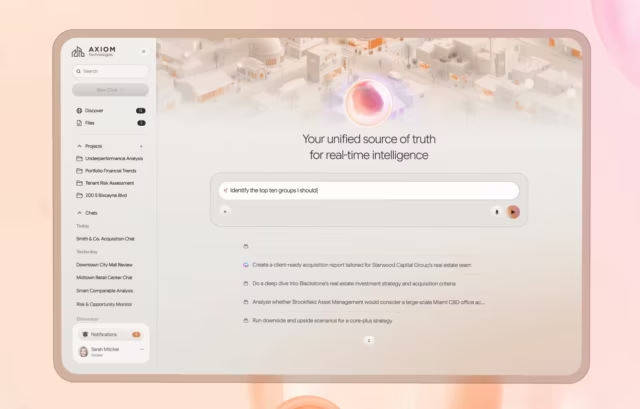
A general health chatbot responds to questions with information drawn from public health databases or predefined content. Its answers apply to populations, not individuals. An AI assistant in a personalized healthcare platform like ClyHealth reads the patient’s actual medical record and returns answers grounded in their specific biomarkers, lab history, and genomic data. The clinical relevance of the response is entirely different because the data behind it is entirely different. For ClyHealth, the AI assistant analyzes each patient’s individual health data, identifies patterns specific to that person, and translates complex information into actionable insights for both the provider and the patient. The interface communicates that specificity clearly so users understand they are receiving analysis of this individual’s record, not generic guidance. The system was user tested with both patients and clinicians before launch to validate that it worked clearly for both audiences.
Does Fuselab only design healthcare products or does it also develop them?
For ClyHealth, Fuselab’s scope covered the full UX/UI design process including patient and provider interviews, and the development of custom APIs to handle HIPAA-compliant data importing and use. This was not a design-only engagement. The proprietary digital twin, the layered clinical dashboard, the AI assistant interface, and the pharmacy module were all designed by Fuselab. The custom API layer that connects the product to its underlying EHR infrastructure and handles sensitive patient data in a HIPAA-compliant way was also built by Fuselab. For healthcare product teams who need a single agency to handle both design and the technical layer that makes the design work, ClyHealth is an example of that full scope delivered in one engagement.
Don't Listen to Us, Read What Our Clients Are Saying.
We know that trusting an outsider with your vision can be scary. This is why if you're not satisfied with us after the first two weeks, you can walk away owing us nothing.
"We went from prototype to usable software lightening fast, and our customer reviews have never been better."


"Their creativity and mastery of UX UI design has made our years of working together enjoyable and incredibly successful!"

"If you need to re-think your product and need some truly unique design talent , Fuselab Creative design team is your answer."

"We needed a nimble team of UI UX designers to work with our development team and they quickly became one of our most vital resources and far exceeded our expectations."


Design Perspectives
Fuselab Creative is a dashboard design studio that focuses on creating meaningful and impactful experiences through design.